







Introduction:In 2019, the new-style tea beverage brand HEYTEA boldly crossed over into the coffee market by launching an innovative "coffee milk-tea fusion" product, and simultaneously applied to register the trademark "HEYTEA Coffee." However, the application was rejected by the China National Intellectual Property Administration (CNIPA) and later upheld by the court, on the grounds that it was deemed too similar to existing brands and potentially misleading. This article delves into the details of the case, explaining the specific criteria for "similarity" and "deceptiveness" in trademark registration, and helping readers understand key aspects of brand protection and intellectual property practices.
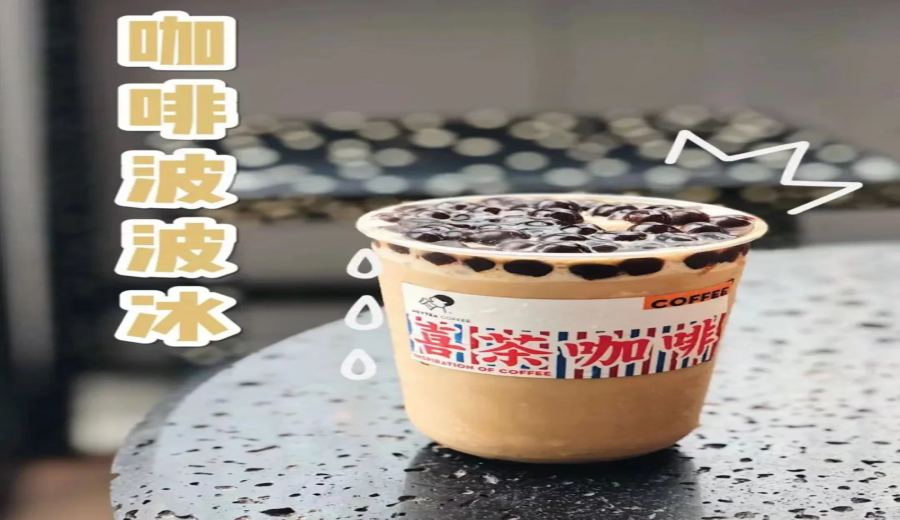
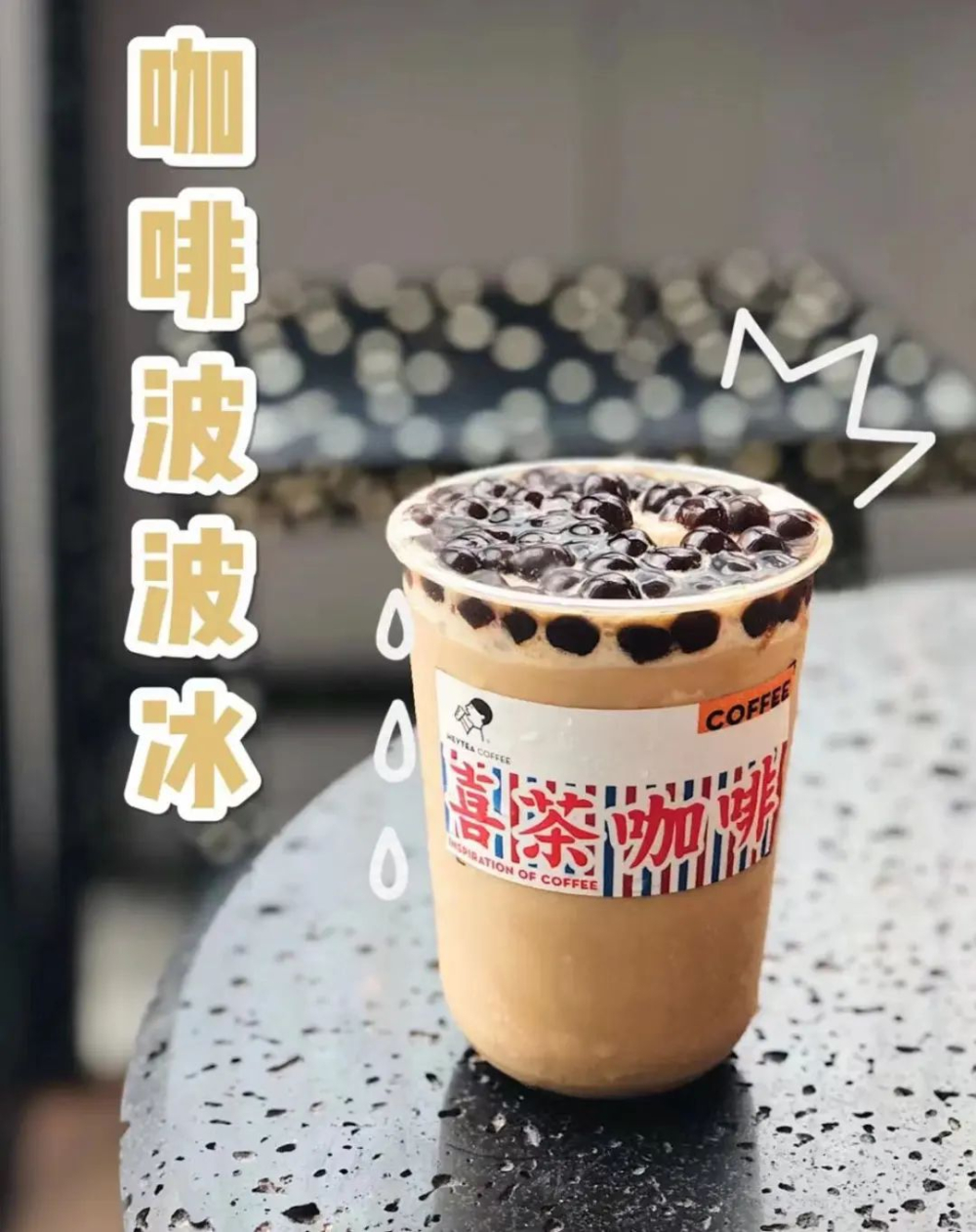
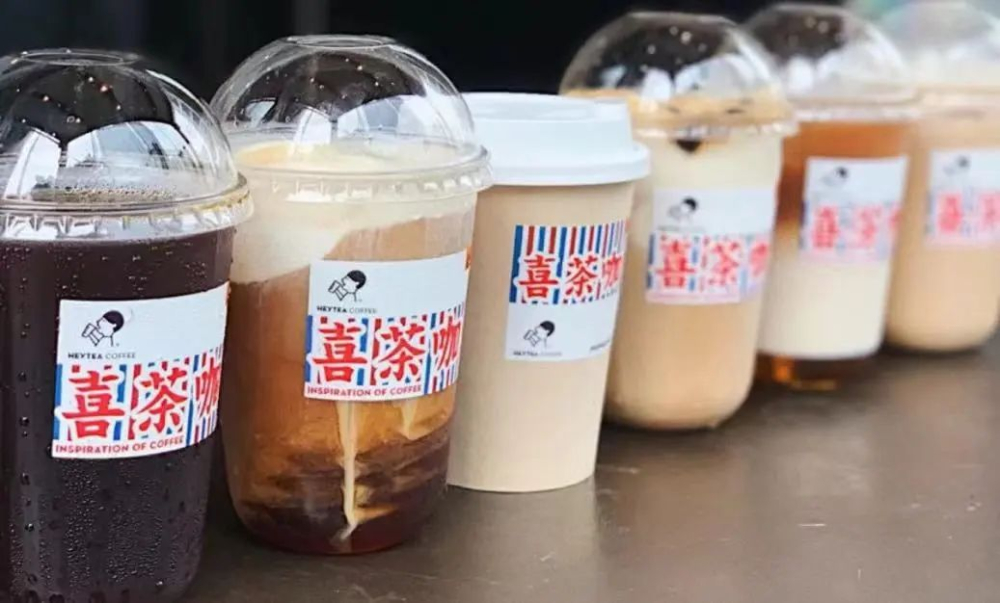
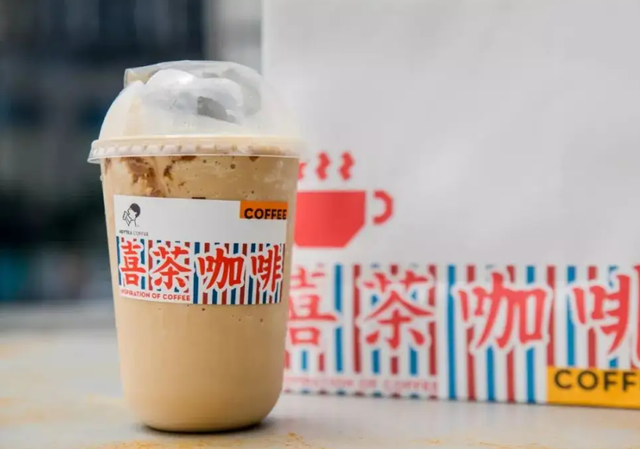
Since officially entering the coffee market in March 2019, HEYTEA has embodied its brand spirit of "never just tea" by ingeniously incorporating elements of milk tea into coffee beverages—such as brown sugar bubbles, pudding, Oreo crumbs, and cheese foam. This move not only broke away from the conventional monotony of coffee but also embraced a strong "Hong Kong-style" packaging design that aligned with the then-emerging trend of guochao (national trends), attracting many consumers who previously did not drink coffee to give it a try.
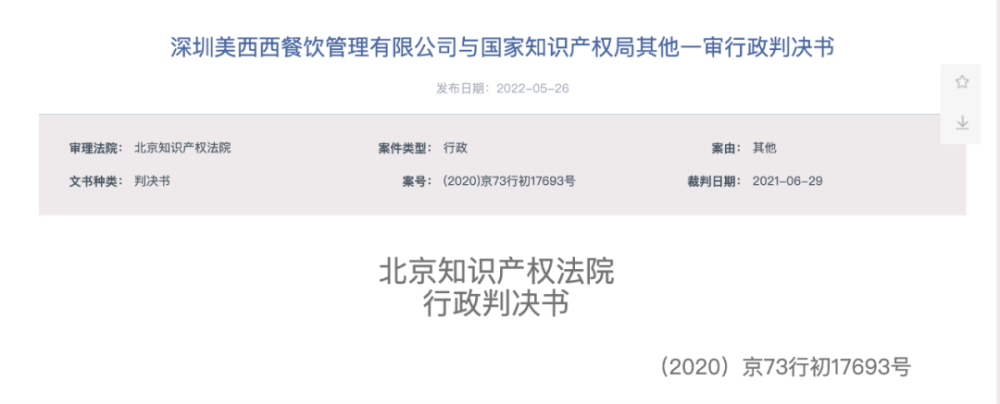
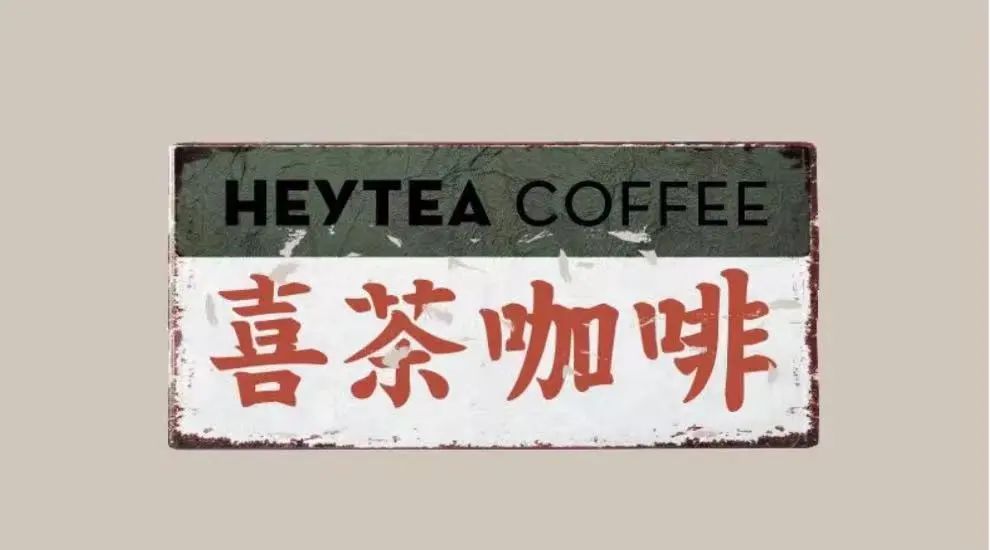
As the "HEYTEA Coffee" product line gained popularity, the brand sought to solidify its market position by actively pursuing trademark registration, aiming to formally associate the brand name with its new product category. However, when Shenzhen Meixixi Catering Management Co., Ltd. (the operating entity of HEYTEA) applied to register the "HEYTEA Coffee" trademark with the CNIPA on June 13, 2019, it faced setbacks. The application remained stuck in the review-for-rejection phase and has not been approved to this day.
During the review process, the CNIPA pointed out that the prominent identifying part of the "HEYTEA Coffee" trademark—"HEYTEA"—bore a high degree of similarity in both wording and meaning to an existing cited trademark, "XI TEA," which could easily cause consumer confusion. Furthermore, the goods specified for "HEYTEA Coffee," such as "coffee beverages, milk-added coffee beverages, cocoa beverages," were considered similar to the categories covered by the cited trademark, such as "tea beverages." If both were present in the market simultaneously, there was a significant risk of consumers mistaking the origin of the products. Therefore, the registration application was rejected.
Faced with the official rejection, HEYTEA did not back down easily. In November 2020, its affiliate, Shenzhen Meixixi Catering Management Co., Ltd., decided to file a lawsuit, requesting the revocation of the CNIPA’s rejection decision and a re-evaluation. In the lawsuit, HEYTEA argued that the "HEYTEA Coffee" trademark, when used for the specified goods, would not mislead the public, and submitted several prior legal judgments as well as examples of other trademarks containing the word "coffee" that had been successfully registered under Class 30, in an attempt to prove its case.
However, on May 26, 2022, the Beijing court issued its first-instance administrative judgment, upholding the CNIPA’s rejection. The court stated that according to Article 10, Paragraph 1, Item (7) of the Trademark Law, a trademark that is "deceptive" and likely to cause the public to have incorrect perceptions about the quality, characteristics, or origin of the goods is not allowed to be registered. The court found that using "HEYTEA Coffee" for goods such as sugar, bread, pudding, chocolate tablets containing ground coffee beans, and cocoa beverages could indeed lead to misjudgments about the characteristics or quality of those products, thus the rejection decision complied with legal provisions.
The court further explained that the evidence provided by the plaintiff (Shenzhen Meixixi Company) was insufficient to prove that "HEYTEA Coffee" would not mislead consumers. Therefore, the related claims lacked factual and legal basis and were not accepted.
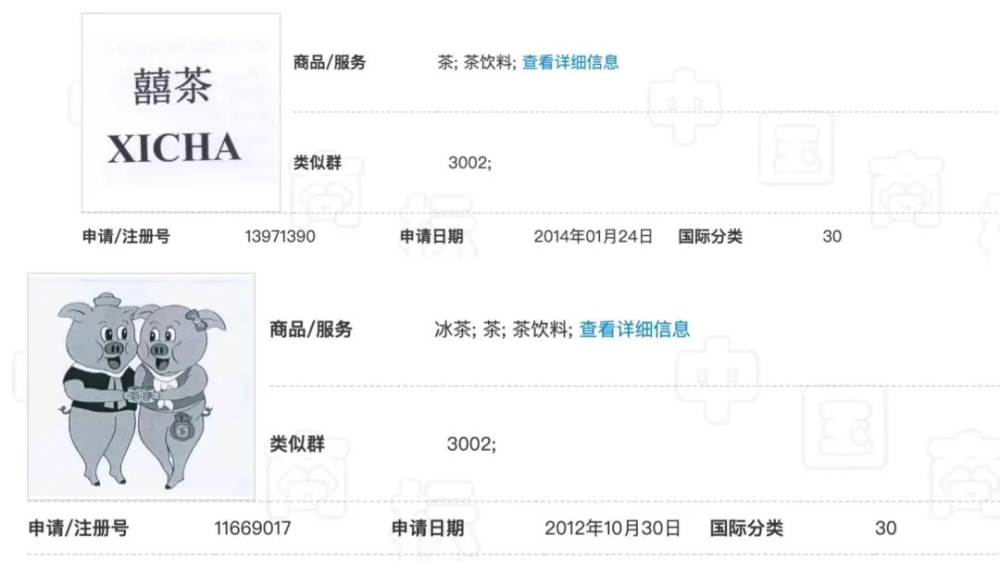
In addition, under Article 30 of the Trademark Law, a trademark application will not be approved if it is identical or similar to another trademark already registered or preliminarily approved for the same or similar goods. After review, the court confirmed that the prominent identifying part of the "HEYTEA Coffee" trademark—"HEYTEA"—was visually and cognitively very similar to the Chinese characters "XI TEA" in Cited Trademarks 1 and 2 (see Figure 3), which could easily lead to confusion regarding the source of the goods. The plaintiff also failed to provide sufficient evidence that the "HEYTEA Coffee" trademark had acquired distinctiveness through actual use sufficient to differentiate it, so the risk of confusion still existed.
Taking into comprehensive consideration the legality and correctness of the CNIPA's findings of fact, application of law, and review procedures, the court ultimately dismissed the lawsuit filed by Shenzhen Meixixi Company in accordance with Article 69 of the Administrative Litigation Law, thereby upholding the original rejection decision.

This case not only reflects the challenges new-style tea beverage brands face when registering trademarks for cross-sector operations but also highlights the practical application of the two key thresholds in Chinese trademark law: "similarity" and "deceptiveness." For brands planning to expand their product lines or enter new markets, understanding these legal nuances is crucial, as it helps to preempt risks and ensures the integrity and lawful protection of brand assets.
In summary, the failure of the "HEYTEA Coffee" trademark application was not merely an issue of brand naming, but rather the combined result of trademark similarity assessment, product category differentiation, and consumer perception risks. For entrepreneurs and brand operators in the coffee or new-style beverage industry, this case provides valuable insights, reminding everyone to incorporate intellectual property strategy into overall planning from the early stages of brand building, in order to safeguard long-term development and market competitiveness.
The above content is compiled by CoffeeHunters, a coffee news website.


