







Introduction:During the bloom phase of pour over coffee, it is common for the coffee bed not to expand, which is often mistakenly assumed to be a sign that the beans are not fresh. However, this phenomenon is actually influenced by multiple factors. This article delves into how roast level, grind size, and bean hardness determine the blooming expansion, helping you accurately assess the coffee’s condition, avoid misjudging flavor based on a single indicator, and improve brewing precision.
During the bloom stage of pour over coffee, if the coffee bed does not show obvious expansion, many people immediately assume the beans are not fresh enough. However, this judgment is overly simplistic. In fact, whether the coffee bed rises during blooming is closely related to roast degree, grind fineness, and bean characteristics. Dark roasted beans typically exhibit a full “hamburger”-shaped expansion, while light roasted beans—especially high-altitude Geisha—may only rise slightly or not at all, yet this does not detract from their impressive flavor profile. Understanding these variables allows for a more accurate interpretation of the blooming phenomenon.
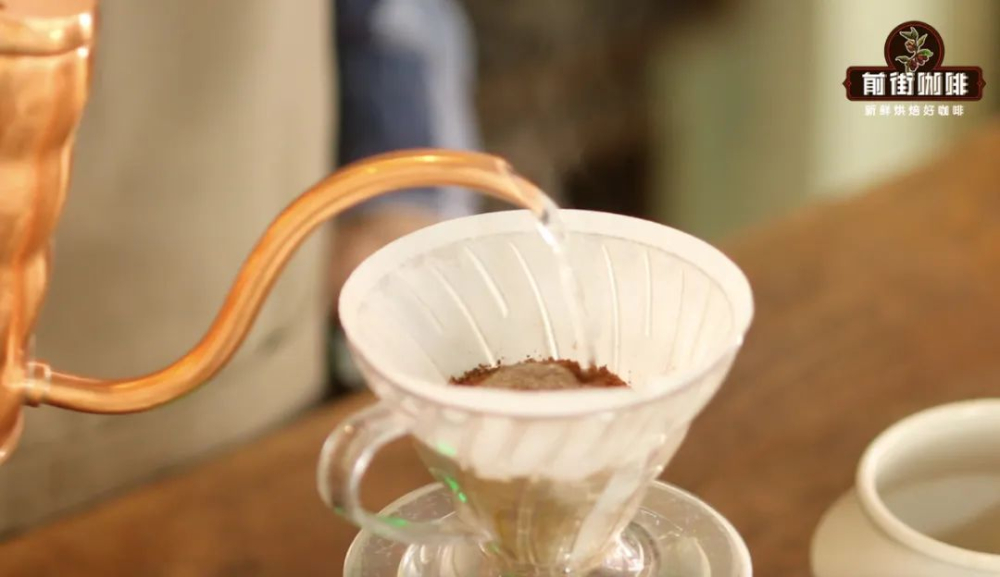
If the internal gases in the coffee beans have largely dissipated, there will naturally not be enough gas to push the bed to expand during blooming. As a result, the lack of a “bloom dome” is often simplistically attributed to the beans being “not fresh,” leading to misjudgments about flavor quality. However, it's important to note that the degree of expansion is just one reference indicator of freshness—not the sole criterion. Factors such as roast level and bean hardness also affect blooming performance and should be assessed holistically.
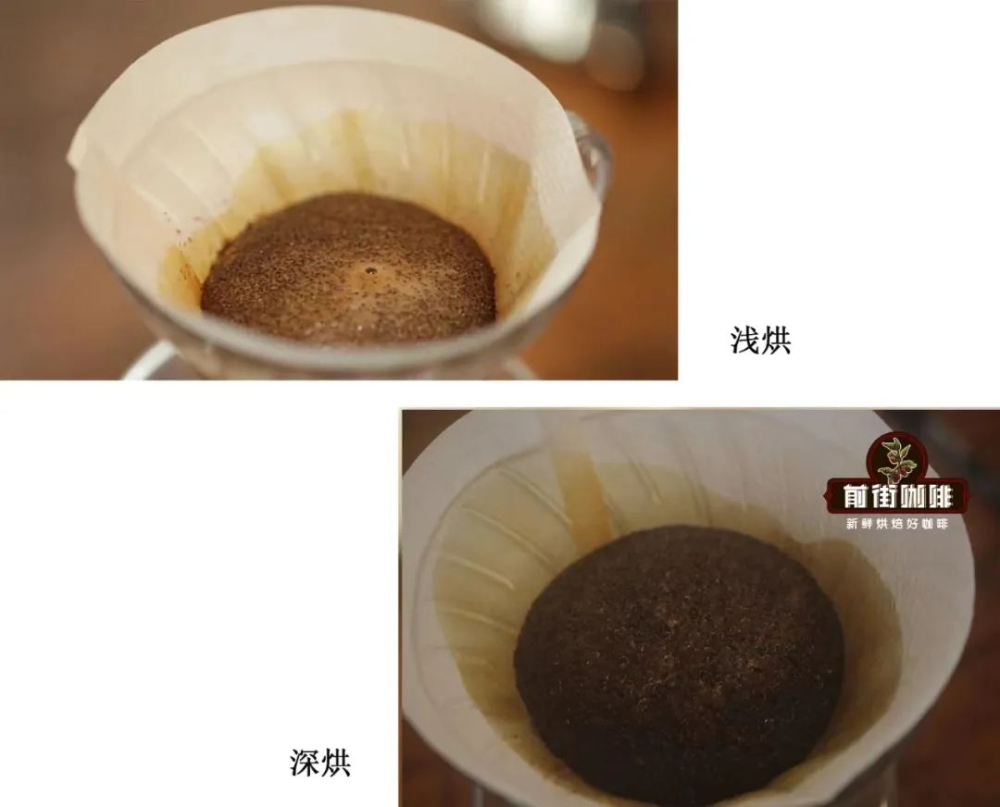
Roast level has a significant impact on blooming expansion. Observations show that beans capable of forming an exaggerated “hamburger” shape are mostly dark roasted. This is because dark roasting causes greater bean expansion and a looser internal structure, not only storing more carbon dioxide but also allowing the loose structure to be more easily activated and expanded by hot water. Therefore, when brewing dark roasted beans, it’s common to see a plump and attractive rise in the coffee bed.
Conversely, light roasted beans are firmer in texture and contain far less carbon dioxide than dark roasted ones. During blooming, the “hamburger” expansion is minimal, or may show little to no change. Take high-altitude Geisha as an example: when brewed within two weeks of roasting, the coffee bed may show almost no noticeable expansion—the light roast results in higher hardness, slower gas release, and a lower total gas volume. Over the 30-second bloom period, it may only rise slightly, occasionally produce large bubbles, or even remain completely still. But none of these signs mean the beans are stale, and the Geisha’s flavors remain excellent.
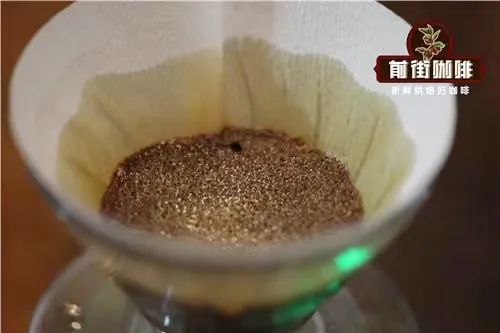
Another example is a friend who shared extremely light roasted beans; even the sound of the grinder indicated the beans were very hard. During the bloom stage, the coffee bed also did not expand, yet the brewed coffee had bright and pleasant acidity, with none of the off-flavors commonly associated with stale beans. This shows that relying solely on blooming expansion to judge freshness is unreliable.
Grind size is also a key factor affecting blooming expansion. When the grind is finer, gases find it harder to escape through gaps and will push up the entire coffee bed to seek larger escape routes. Rapid, continuous degassing may also form large bubbles, resulting in a clear bloom dome. With a coarser grind, the spaces between particles are sufficient for gases to pass through smoothly, so the coffee bed naturally does not rise as easily.
If you want to achieve an aesthetically pleasing blooming “hamburger” effect, it is recommended to use dark roasted beans and brew them freshly ground. Also pay attention to adjusting the grind size to optimize the gas release pathway.
The above content is compiled by CoffeeHunters, a coffee news website.


