







Introduction:How did flavored syrups evolve from simple flavoring agents into key drivers of innovation in coffee beverages? This article takes you through the historical development of flavored syrups in the coffee industry, explores their regional application characteristics, and examines the rise of zero-calorie syrups and market trends. With practical analysis, it helps you grasp the essentials of syrup selection and health considerations, opening up new realms of coffee flavor.
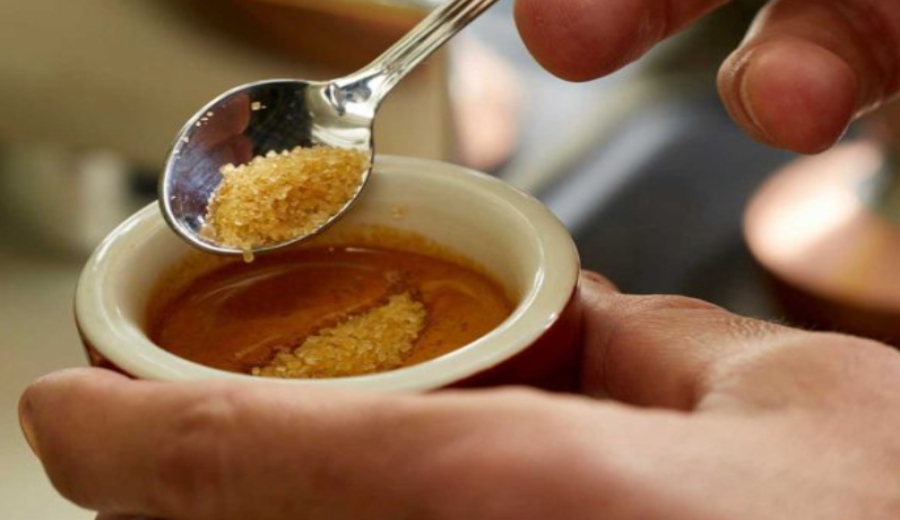
The practice of adding sugar to coffee has persisted for nearly five centuries, becoming an indispensable part of global coffee culture. Although specialty coffee promotes the "black coffee doctrine," market observations show that over half of consumers still choose to add sweetness to their coffee, with a growing preference for syrups offering innovative flavors.
As early as 1994, Starbucks launched its first line of flavored lattes, marking a new chapter for the entire industry. Since then, flavored syrups have quickly become standard in coffee shops, not only enhancing beverage variety but also meeting consumers’ desire for personalized taste. Whether in chain brands or independent cafés, syrups have become a bridge to attract novice coffee drinkers, lowering the bitterness barrier of coffee itself.
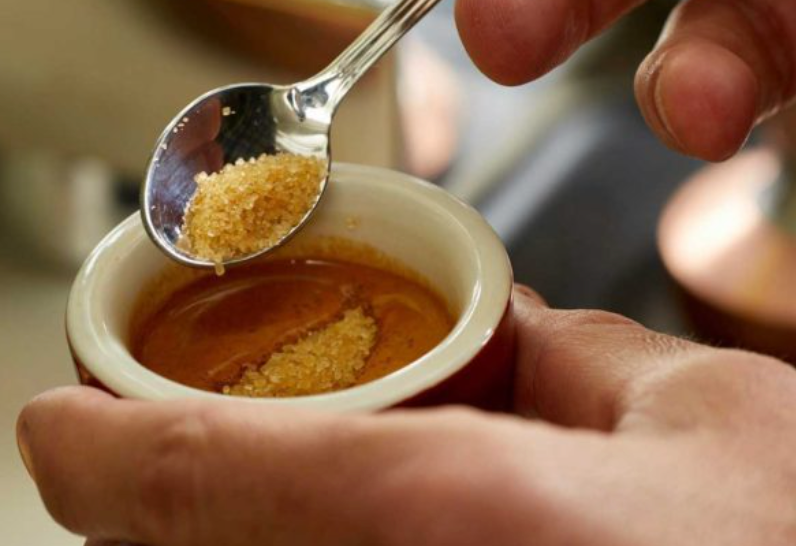
The value of syrups lies not only in sweetness but also in their potential for "indulgence" and "customization." Syrup manufacturers point out that they offer more layers of personal expression in beverages, transforming an ordinary cup of coffee into a unique experience tailored to individual tastes. For those new to coffee, adding milk and sugar is a common starting point, but as palates mature, many begin seeking richer flavor experiences—and this is where flavored syrups truly shine.
The charm of flavored syrups lies in their endless possibilities for innovation. Due to differences in dietary cultures, various regions exhibit distinctly different flavor preferences: European markets favor rich caramel and smoky notes, Latin American regions lean toward tropical fruit profiles, while Asian consumers prefer fresh floral and fruity combinations. These seemingly non-coffee-related flavors, driven by consumers’ curiosity for novel tastes, have gradually been integrated into everyday coffee choices, fueling continuous market expansion.
With the rise of healthy eating concepts, consumers no longer seek sweetness alone but also prioritize the health attributes of beverages. A new generation of consumers often faces the conflicting desire to "enjoy sweetness without added guilt," making zero-calorie sugars and zero-calorie flavored syrups the new darlings of the market.Research shows that the sugar-free beverage market is expected to double in size over the next five years, with the market scale projected to reach 22.74 billion yuan by 2025.
As a beverage category with a relatively strong health image, the combination of coffee and zero-calorie sweeteners has successfully attracted health-conscious consumers, particularly forming a stable consumption trend among the post-95s demographic. Many well-known brands, such as Luckin, have widely adopted zero-calorie flavored syrups in both their newly launched products and classic returns, effectively addressing consumers’ concerns about calorie intake and creating a "light and guilt-free" drinking experience.
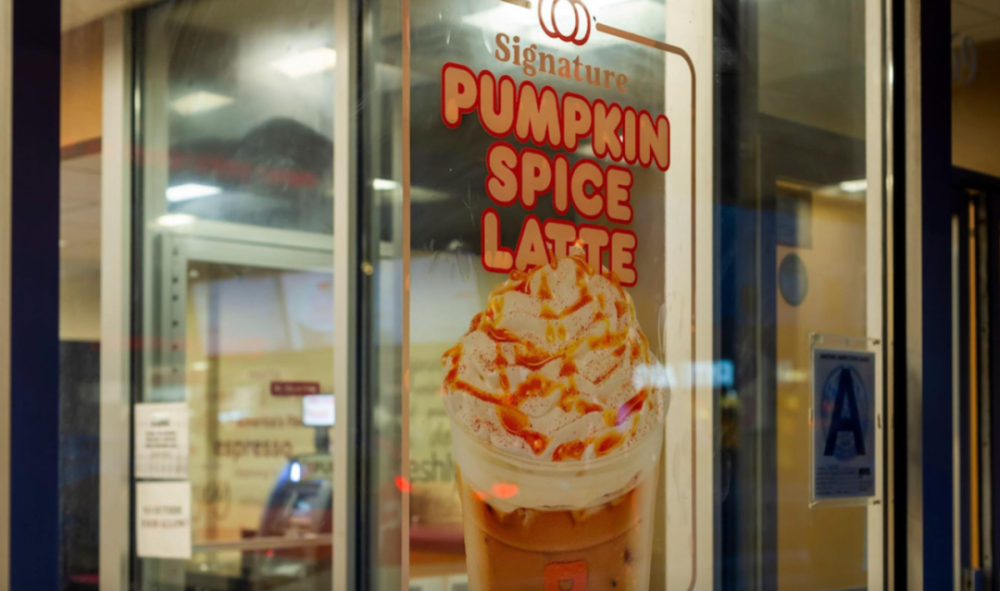
Fueled by social media, pairing a zero-calorie iced coffee after a workout has become a daily ritual for many fitness enthusiasts. However, it’s worth noting that although zero-calorie sugar is promoted as low in calories, it is a type of artificial sweetener. Compared to natural sugars, it may more strongly stimulate appetite. Without proper control of overall diet, it could backfire and hinder weight loss goals.
Overall, flavored syrups have not only reshaped the flavor map of coffee but have also influenced the direction of innovation across the entire beverage industry. From satisfying sweetness to addressing health needs, and precisely targeting regional flavor preferences, syrups have become a crucial link connecting consumer demands with market trends. Understanding their evolution and selection criteria will help every coffee enthusiast find the optimal balance between flavor and health.
The above content is compiled by CoffeeHunters, a coffee news website.


