







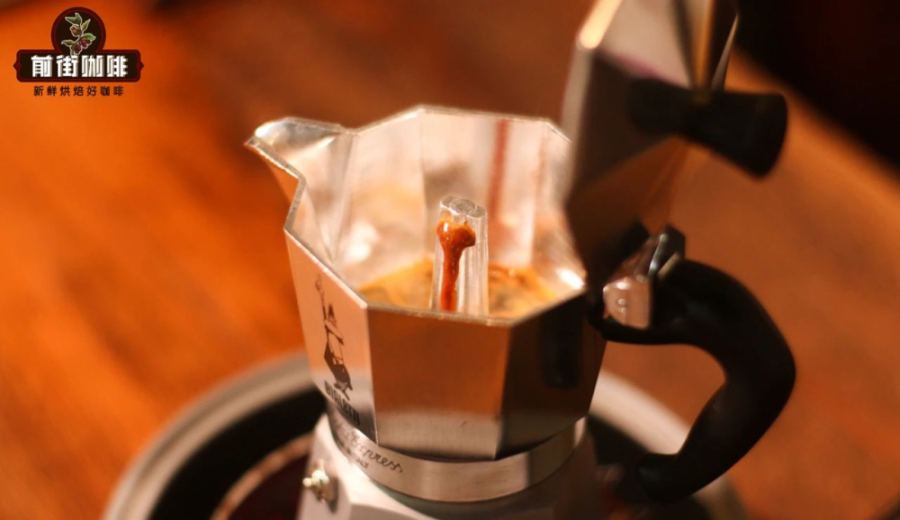
Introduction:The recent recall of certain moka pots by IKEA has drawn significant attention from coffee enthusiasts regarding the safety of this classic brewing device. Are moka pots really prone to explosions? How can you avoid risks in daily use while still extracting coffee with the desired flavor? This article provides an in-depth analysis of the structure and working principles of the moka pot, correct operation steps, key details to watch out for—from seasoning a new pot, water level control, coffee grounds handling, gasket replacement, heating source selection, to troubleshooting common issues—and also offers recommended coffee beans suitable for use with a moka pot, helping you enjoy rich espresso flavors with peace of mind.
IKEA recently announced an urgent recall of some stovetop espresso makers (moka pots), prompting many regular users of the device to reconsider the potential risks associated with this classic tool. Do moka pots truly pose explosion hazards or other high-risk factors? What specific details should be kept in mind during everyday use to avoid danger and successfully brew coffee with the desired flavor? Below, we will comprehensively break down the structural principles, operational essentials, and practical techniques of the moka pot—including the adaptation period for a new pot, water level and coffee dosage control, maintenance cycles for sealing components, selection of heating equipment, and troubleshooting common problems—to help you master the correct methods and safely enjoy the espresso experience offered by your moka pot.
Many people hesitate to use a moka pot mainly due to two concerns: first, the relatively high learning curve—it involves variables such as grind size, coffee bed tamping, heat control, and brewing time, all of which affect extraction quality and can be unfriendly to beginners; second, safety worries—the moka pot often lacks precise water level markings, making it difficult to control the coffee-to-water ratio. This can not only lead to over-extraction or under-extraction but, in serious cases, may cause excessively high internal pressure, resulting in hot liquid spraying out and leading to burns or other accidents.

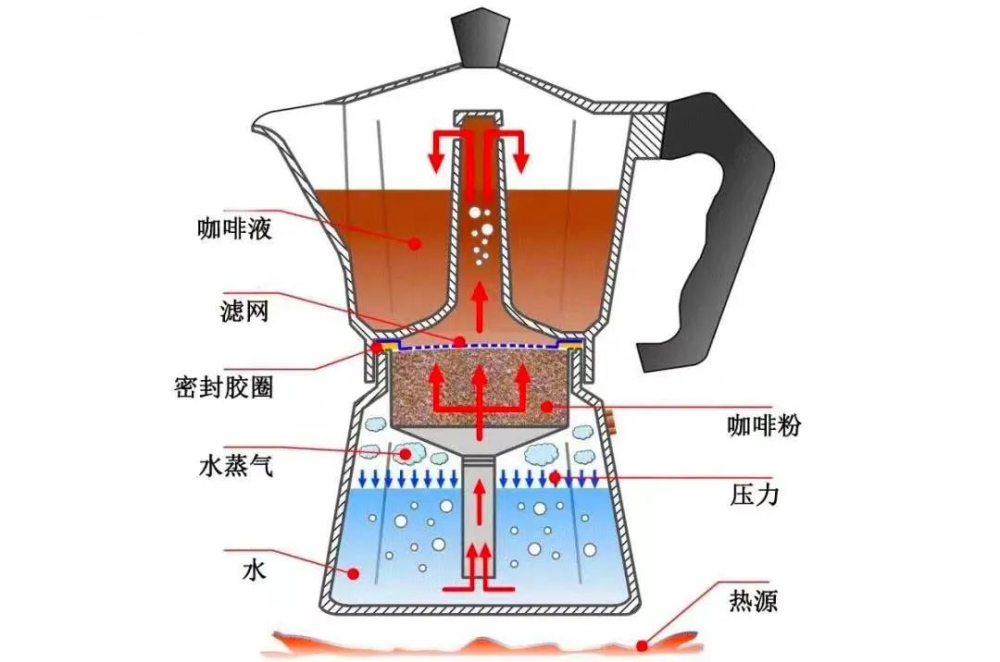
However, as a coffee brewing device with a history of several hundred years, the moka pot’s design has essentially stood the test of time. By mastering key details, it is still entirely possible to consistently brew rich, espresso-like coffee at home. Let’s begin by understanding the basic structure of a moka pot: typically, it is made from aluminum alloy or stainless steel and consists of three main parts: the upper chamber, the coffee chamber (filter basket), and the lower chamber, interconnected through a central tube. The lower chamber usually features a pressure relief valve that automatically releases pressure when it exceeds safe levels, effectively reducing the risk of the pot cracking due to excessive internal pressure.
Its working principle is quite straightforward: place the moka pot on a heat source, and as the water in the lower chamber heats up and begins to boil, steam is generated. The pressure from this steam pushes the hot water upward through the hollow central tube, passing through the coffee grounds in the filter basket and then through a filter screen, before finally dripping into the upper chamber to form espresso.
Regardless of brand or model differences, the following key points regarding moka pot usage are essential details that every user should pay attention to:
First, for a newly purchased moka pot, it is recommended to perform two trial brews upon first use, and discard the coffee produced during these initial uses. This helps remove any trace metal residues that may have been left over from the manufacturing process. When adding water, be sure not to fill beyond the bottom edge of the lower chamber’s pressure relief valve, as doing so may cause abnormally high pressure. After adding the coffee grounds, do not tamp the coffee bed too firmly. If using filter paper, ensure its size does not extend beyond the surface of the coffee grounds, as overly tight packing or oversized filter paper can create too much resistance—preventing steam from smoothly pushing the water upward, causing it instead to overflow from the sides of the pot and increasing the risk of burns or damage to the device.
After each use, be sure to thoroughly dry the lower chamber to prevent oxidation of the internal aluminum material. The rubber gasket located at the bottom of the upper chamber is recommended to be replaced no more than once a year; for frequent users, replacing it every six months is ideal to maintain a proper seal between the upper and lower chambers, avoiding steam leakage or water seepage. When assembling the moka pot, try to avoid directly tightening it by gripping the upper chamber’s handle—doing this over time can loosen the handle. It’s better to tighten the entire structure by rotating the lower chamber. If the lower chamber contains hot water, take care to protect yourself from heat during the process.
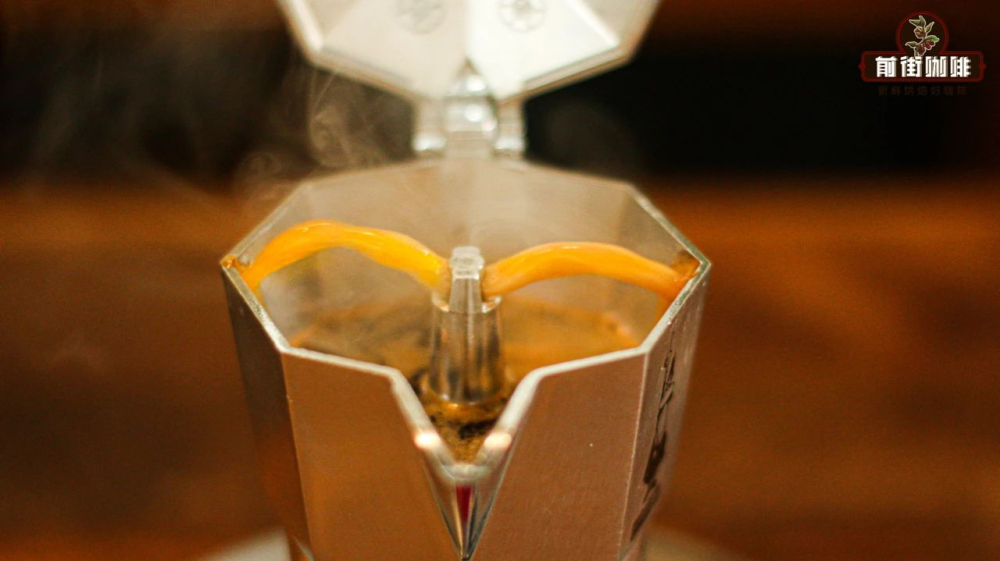
When selecting a heat source, special attention should be paid to material limitations: aluminum alloy moka pots are suitable only for use with electric ceramic stoves, open flames (such as gas or natural gas stoves), and small electric stovetops, whereas stainless steel moka pots are compatible with additional devices such as induction cooktops. If you notice the coffee liquid violently spraying into the upper chamber, possible causes may include: water level in the lower chamber exceeding the bottom edge of the pressure relief valve, overly coarse coffee grind, unfilled coffee chamber or absence of coffee grounds, excessively high heat or removing the pot from heat too late, and incomplete or incorrectly installed internal parts.
If you experience leaking from the pot during use, it may be due to aging gaskets or an improperly sealed connection between the upper and lower chambers. New pots may also exhibit this issue upon first use, but it typically improves after three to four trial brews. When the pressure relief valve emits a sharp hissing sound and sprays steam during heating, it is usually because the coffee grind is too fine, the amount of coffee is too much, the water level exceeds the bottom edge of the pressure relief valve, or the internal pressure exceeds the designed limit.
If your moka pot becomes difficult to unscrew after use, try pouring a small amount of hot water into the upper chamber, waiting about one to two minutes for the temperature to slightly decrease, then pour out the water and, after ensuring proper insulation, attempt to unscrew it again; if it still won’t open, consider asking someone to help. Additionally, moka pots must never be placed in a dishwasher, nor soaked in corrosive cleaning agents, to avoid damaging the metal and rubber components.
Finally, in terms of coffee bean selection, it is recommended to prioritize medium to dark roasted beans, as these typically yield richer crema and a more intense flavor profile. A classic Italian blend is a good choice, often composed of Brazilian pulped natural, Indonesian Mandheling, and Vietnamese washed beans—all dark roasted. In addition to offering notes of roasted aroma, their most distinctive feature is the release of abundant golden crema, adding a full-bodied and robust flavor to the coffee.
The above content is compiled by CoffeeHunters, a coffee news website.


