








Introduction:Many coffee enthusiasts join the barista profession, yet often feel lost due to low salaries and limited career growth. In reality, a barista’s career path extends beyond the counter—it can also lead to training, roasting, or even entrepreneurship. This article will deeply explore various career transition directions and provide concrete advice to help you find the right path for your professional journey.
Most people who enter the coffee industry do so with a passion for coffee, but reality is often full of challenges. After experiencing low income and limited promotion opportunities, many choose to switch careers, leading to the perception of baristas as transitional workers. However, this view is not comprehensive—the barista profession actually offers diverse possibilities. The key lies in having the courage to step out of your comfort zone and find your own direction.
When many first enter the industry, they often fantasize about a laid-back, bohemian barista life. In truth, becoming a professional and respected barista requires a high level of expertise, endurance, and responsibility. Those who stand out in the industry have all gone through hardships, continuous research, and experience accumulation—not just relying on fancy latte art or basic brewing skills.
Most people focus on making coffee at the counter, enjoying the direct interaction with coffee. However, if you hope to achieve higher career success and income, stepping out from behind the counter to expand your skills and vision is a crucial step. This not only helps enhance personal competitiveness but also lays a solid foundation for future diverse development.
Many baristas view participating in world-class barista competitions as the pinnacle of their careers. While winning a championship can indeed bring recognition, for most practitioners, this goal is too far out of reach, and the resources and team support required are far beyond what one might imagine. Competitions are not just about technical skill—they also involve fundraising, teamwork, time management, and on-the-spot adaptability, more like a practical project management challenge.
A successful competition barista not only needs solid coffee skills but also excellent communication, coordination, and problem-solving abilities. They often use competitions to deeply understand industry trends, then apply the experience gained to future business or teaching—not just pursuing glory. For most baristas, setting realistic goals is more important to avoid losing enthusiasm due to overly high expectations.
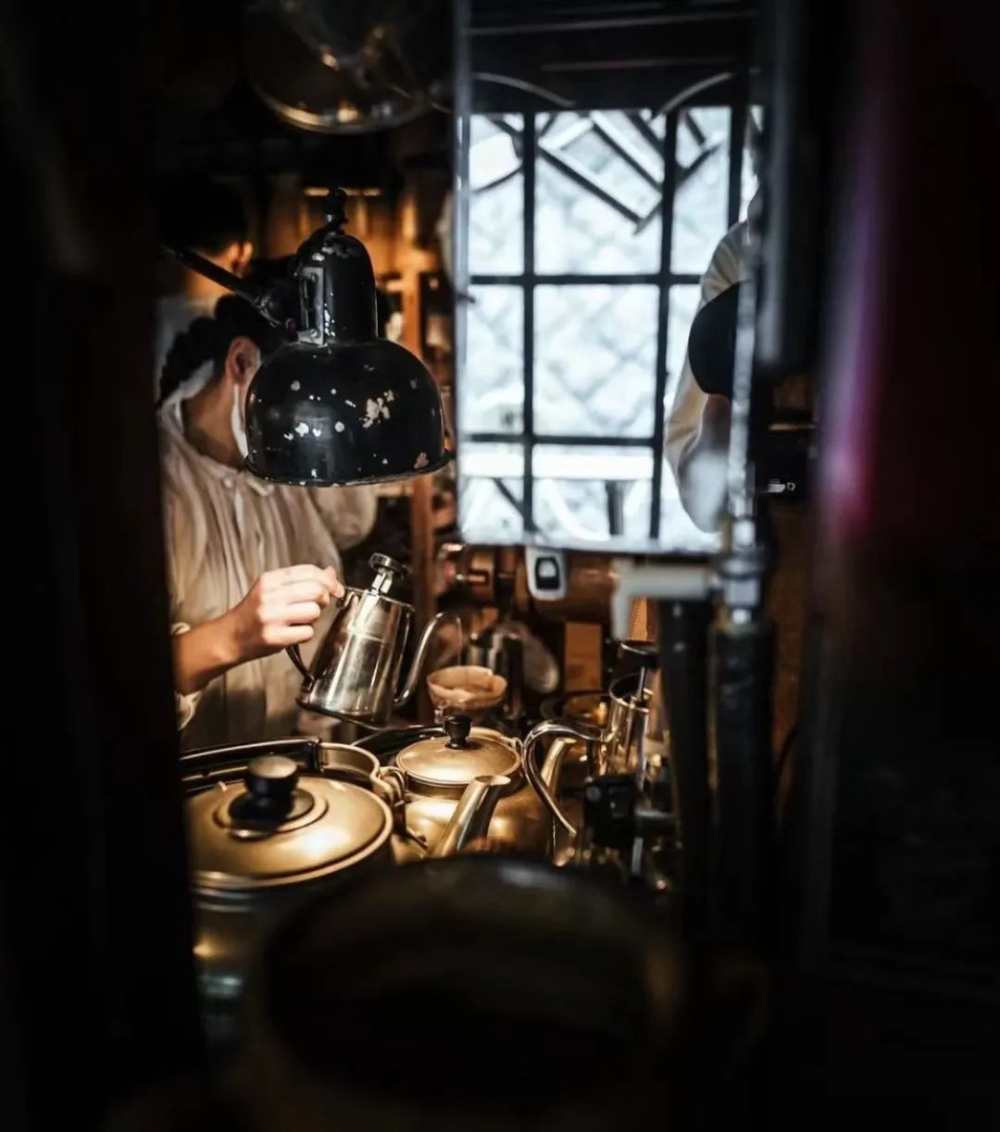
If you love sharing coffee knowledge and have good presentation and teaching skills, transitioning to a coffee trainer is a worthwhile direction. Trainers not only need to deeply understand the principles of coffee brewing and parameters such as grind size, water temperature, and extraction time, but also adjust teaching content according to different students’ levels, guiding them to establish correct coffee understanding. This role also helps develop your communication, curriculum design, and interpersonal management skills, opening up more possibilities for further career growth.
If you’re curious about coffee beans themselves and want to deeply understand origins, altitudes, processing methods, and the impact of roasting, then becoming a roaster is also a viable path. Roasting is not just a technique—it’s an art that involves a dialogue between heat, time, and the beans’ character. From light to dark roasts, each stage affects the final flavor profile. A skilled roaster needs to carefully listen to barista feedback, adjust roast profiles, and find the bean characteristics best suited for brewing. Though this process requires patience, it’s also a vital bridge to the upstream of the coffee industry.
As for opening a coffee shop, it’s a dream for many baristas, but they often hesitate due to financial pressures and management challenges. If you’re interested in this direction, it’s recommended to start accumulating relevant knowledge from the early days as a barista—including cost control, product development, store operations, branding, marketing, and customer service. Successfully running a coffee shop requires not just great coffee, but also a solid business strategy to avoid financial trouble due to inadequate initial planning.
No matter which career path you choose, early planning and continuous learning are the keys to success. Baristas should not be confined to the counter role but can diversify into becoming educators, technical experts, or even successful entrepreneurs. Letting go of overly romantic notions about the profession and facing industry realities pragmatically will allow you to go further and more steadily on this path.
The above content is compiled by CoffeeHunters, a coffee news website.


