







Introduction:In the three-stage pour-over brewing process, when to start the third pour is a detail that many coffee enthusiasts tend to overlook. Should you wait until the liquid has completely dripped through or add water once the water level drops halfway? This article explores the actual impact of these two pouring strategies on aroma, flavor, brew time, and bed condition through a comparative experiment using Costa Rica Strawberry Candy and washed Yirgacheffe. Practical suggestions are also provided to help optimize your pour-over routine.
The three-stage pour-over method is widely favored, but many people hesitate about when to begin the third pour—should they wait until the coffee liquid has fully drained or add more water when the water level is down to half? Though seemingly minor, this operational difference can significantly affect the final flavor and extraction efficiency.
One coffee brand conducted two comparative experiments on this issue, using two coffees with distinctly different flavor profiles: Costa Rica Strawberry Candy and washed Yirgacheffe. By observing aroma performance, flavor progression, brew time, and the condition of the coffee bed, they identified the real differences between the two pouring strategies. Below, we’ll share the detailed experimental process and key findings.
Both experiments used identical parameters: 15 grams of coffee, a 1:15 coffee-to-water ratio, a grind size passing 80% through a #20 sieve, water temperature controlled at 90°C, using a V60 filter cone, and the standard three-stage pour-over technique. The only variable was the timing of the third pour.
The first group followed a common practical approach by starting the third pour when the water level dropped to half; the second group delayed pouring until the coffee liquid had completely drained. Both groups poured a total of 150 milliliters by the end of the second stage, taking about 54 seconds.
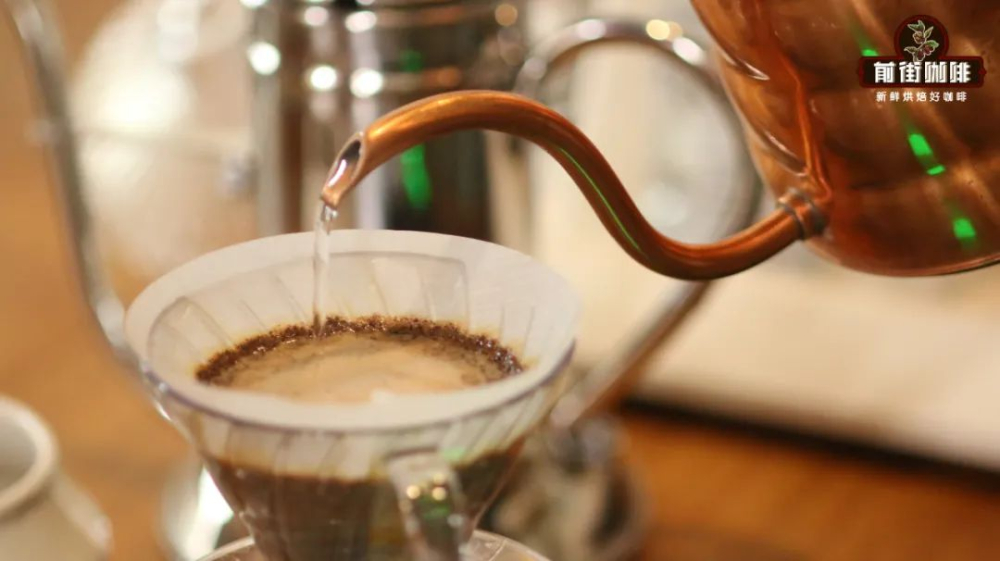
The results showed that the first group (mid-level pour) started the third pour at around 1 minute and 7 seconds, pouring a total of 225 milliliters and waiting for all the coffee liquid to drip through, resulting in an overall brew time of 1 minute and 55 seconds. The second group (wait-till-dry) began the third pour at 1 minute and 20 seconds, also pouring 225 milliliters, but only finished once all the liquid had dripped through, extending the total time to 2 minutes and 10 seconds.
In terms of aroma, the first group exhibited a richer and more layered aromatic profile. However, in actual tasting, both groups of coffee showed no significant negative differences in primary flavors, each displaying the characteristics expected of their respective beans. That said, the second group’s delay in pouring led to a brief “stall” in flow through the coffee bed, causing a slight drop in internal bed temperature before gradually warming up again after the next pour. This temperature fluctuation directly influenced the release of aroma.
Additionally, the wait-till-dry approach prolonged the overall brew time. Although it remained within a reasonable range in this experiment, it’s still recommended to avoid excessively long waiting periods if you’re aiming for more stable and consistent extraction quality.
To further validate the findings, the team conducted the same comparative experiment using washed Yirgacheffe. This bean has bright acidity and distinct flavors but also reacted differently based on the timing of the third pour.
In the second group, the first two pours were completed between 54–55 seconds, totaling 150 milliliters. The first group began the third pour at 1 minute and 10 seconds and completed extraction at 2 minutes; the second group delayed until 1 minute and 30 seconds and finished the full brew at 2 minutes and 30 seconds.
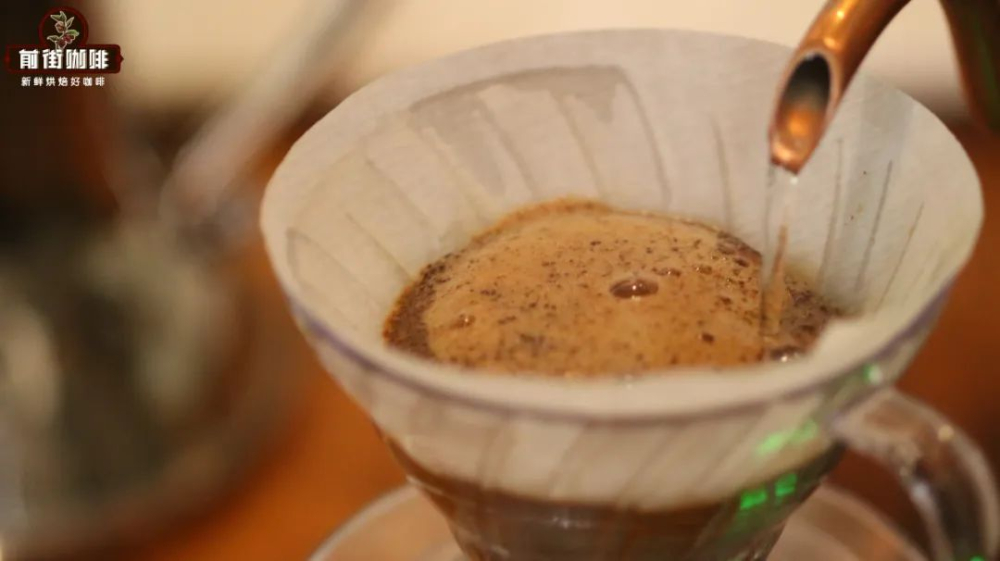
This time, significant differences emerged: the second group’s coffee exhibited noticeable bitterness and astringency, with a less refreshing and balanced flavor compared to the first group. Upon inspecting the coffee bed, it was found that the bottom had accumulated more sludgy fine particles, which settled beneath the bed and slowed the drawdown rate considerably.
The structure of the V60 filter cone is designed so that when the water level is above the shorter ribs, 24 flow-guiding ridges help the water pass quickly; but once the water level drops below the shorter ribs, only 12 ridges remain active. If there are many fine particles in the coffee bed at this point, it can easily clog the flow, significantly prolonging the brew time.
Notably, why did the same method not cause obvious issues with the Costa Rica Strawberry Candy but had a pronounced effect on the Yirgacheffe? This relates to the inherent hardness and roast characteristics of the beans. Yirgacheffe is typically roasted lighter, and the beans are relatively hard. Grinding can produce more fine particles due to the beans being crushed rather than cut by the burrs. In contrast, beans with lower hardness—such as some medium-to-dark roast varieties—tend to produce fewer fine powdery particles during grinding.
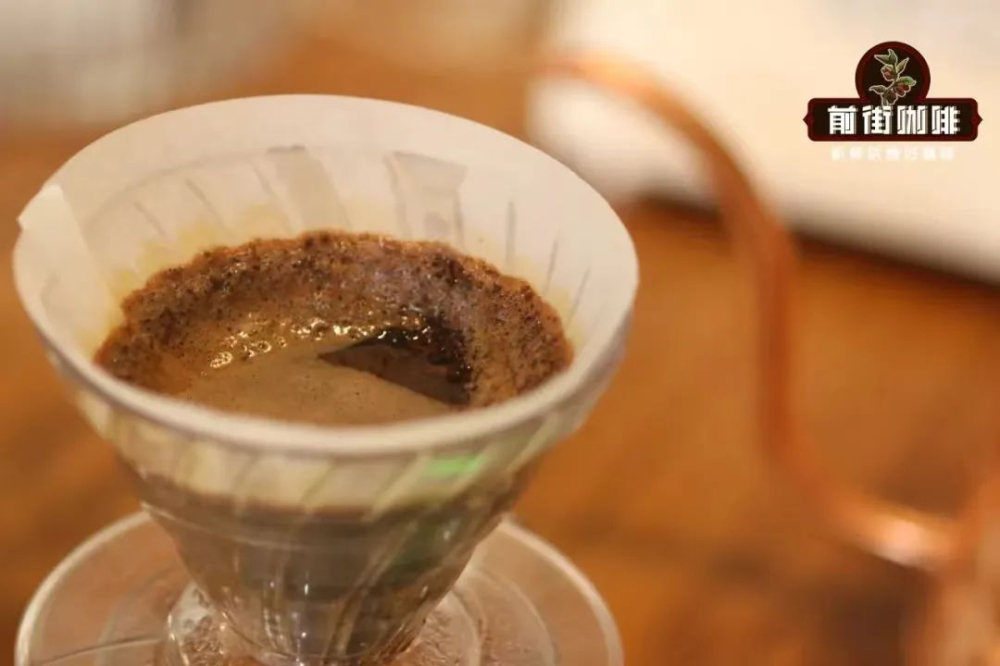
Based on the two rounds of experiments, several important conclusions can be drawn: First, waiting for the coffee liquid to fully drain before pouring can cause the coffee bed temperature to drop, affecting aroma release; second, fine particle sedimentation can slow the drawdown and extend brew time, potentially amplifying bitter and astringent flavors; finally, different beans—varying in hardness and roast level—respond very differently to the timing of the third pour, meaning there is no universal “one-size-fits-all” formula.
Therefore, if you’re accustomed to using the three-stage pour-over method, it’s recommended to start the third pour when the water level is around halfway down, rather than waiting for it to completely drain. This helps maintain a stable extraction temperature, reduces drawdown issues caused by fine particle buildup, and achieves a more balanced flavor profile.
Of course, if you still wish to try the wait-till-dry method, it’s advisable to adjust grind size (e.g., slightly coarser), pre-sift out fine particles, or moderately increase water temperature as complementary measures to reduce negative effects. But for most users, the three-stage pour-over combined with a mid-level third pour remains the more stable and flavor-controllable choice.
The above content is compiled by CoffeeHunters, a coffee news website.


