







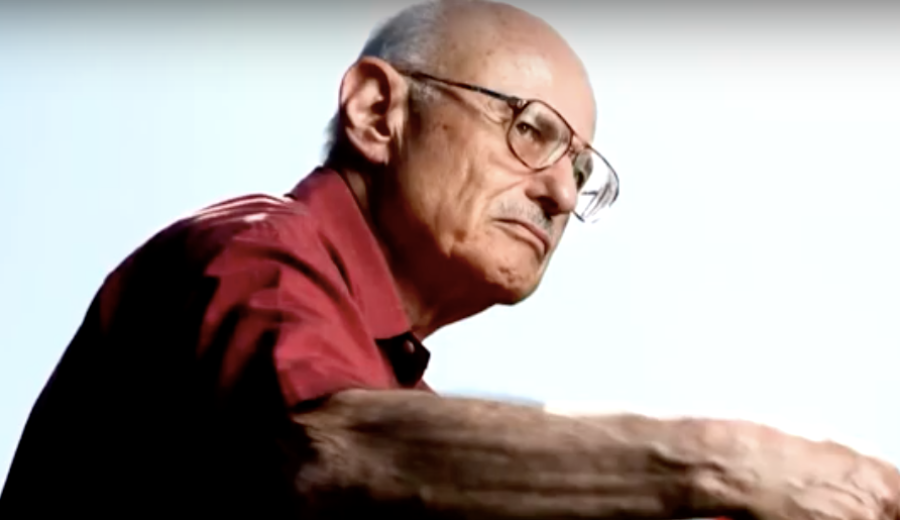
Introduction:The AeroPress is a top choice for many coffee beginners and advanced enthusiasts alike, but do you know the story behind this ingeniously designed coffee tool? This article will take an in-depth look at the fascinating life of its inventor, Alan Adler, provide a complete walkthrough of the official inverted method, explore popular community techniques like the reverse method, and compare the key flavor differences between AeroPress and pour over brewing—helping you master this versatile coffee gadget more comprehensively.
You might be using the AeroPress to brew coffee every day, but do you really understand its origin story and operational details? Created by inventor Alan Adler—a former electronics engineer who turned to toy design and coffee equipment innovation—the AeroPress is not only simple to operate and easy to clean, but also highly adjustable, making it a favorite tool among coffee lovers worldwide for exploring brewing possibilities.
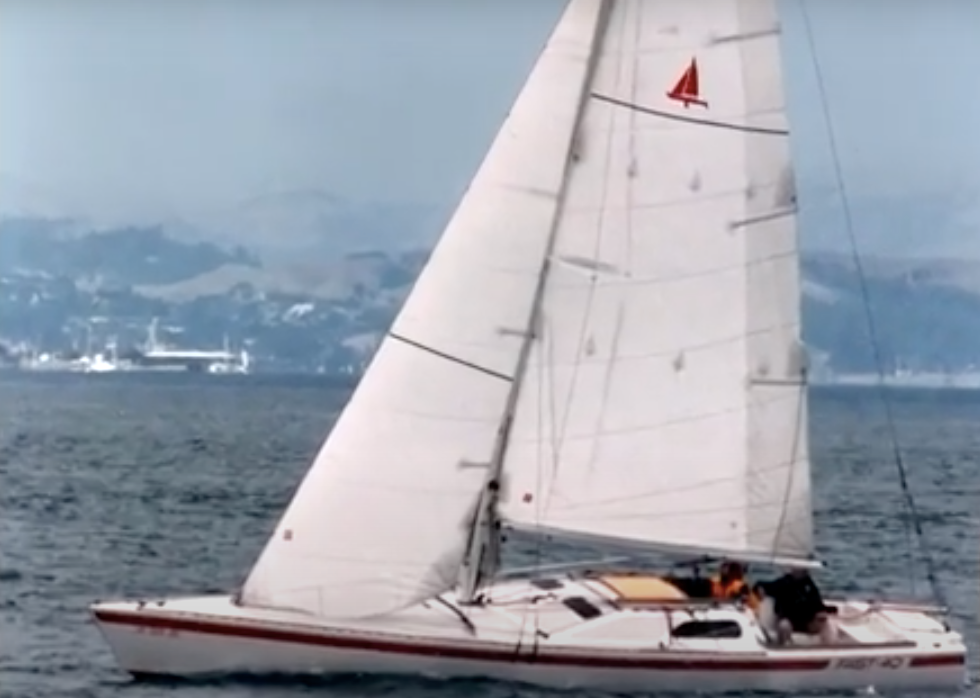
Born in 1938 in Detroit, USA, Alan Adler moved with his family to Los Angeles during his childhood and showed an early passion for mechanics and innovation. By the age of eight, he was learning furniture repair from his mother, including tasks like changing light bulbs and fixing faucets. As a child, he even crafted a makeshift mini sword using railroad tracks and transparent tape, showcasing remarkable hands-on ability. From the age of thirteen, he developed an interest in sailing and aerodynamics. Although the sailboat he designed at the time wasn’t realized, it laid the foundation for his later Frisbee innovations.
During his secondary school years, Alan exhibited non-traditional thinking patterns. His unique approach to solving a math assignment once led his teacher to suspect it was written by someone else. Disliking the traditional education system, he entered the workforce after high school, starting as an electronics technician. Through self-study, he quickly got up to speed and continued to research at night, eventually developing a portable electric light and earning his first patent. His career spanned military aircraft instruments, nuclear reactor control systems, and submarine equipment, and he was even invited to serve as an adjunct lecturer at Stanford University.
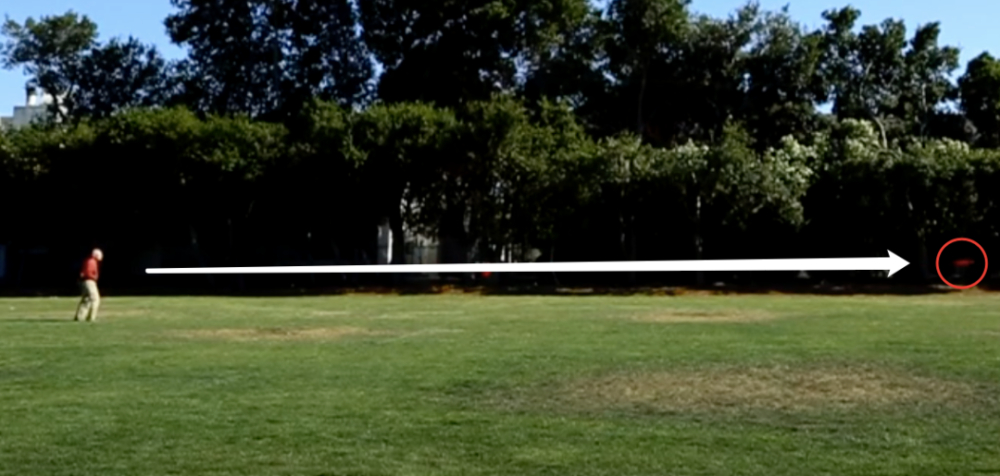
In the 1970s, driven by his passion for Frisbee sports, Alan delved into aerodynamics and developed a disc that could fly significantly farther than products on the market at the time. One of these discs even set a Guinness World Record in 1980 with a flight distance of 261 meters. In 1984, he founded the toy brand Aerobie and launched a series of innovatively structured flying rings, including the Pro Ring version, which could be thrown up to 406 meters—the longest throw to date—and remains a collector’s item for many sports enthusiasts.
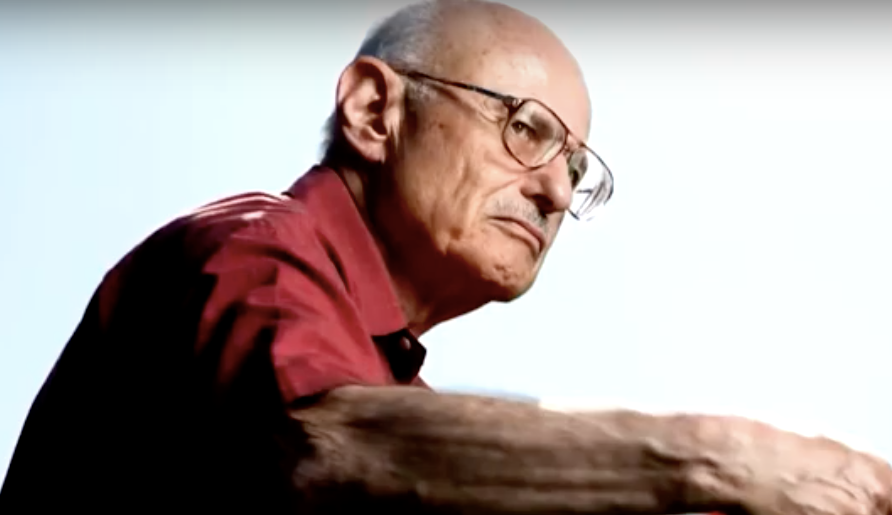
However, even with such an illustrious career, Alan Adler didn’t stop innovating after retirement. As a coffee enthusiast, he was dissatisfied with the coffee tools available on the market at the time—whether it was the costly capsule machines, the time-consuming and temperature-unstable drip brewers, or the complicated Chemex—none met his dual needs for both coffee flavor and ease of use. So, he decided to create the ideal coffee tool himself.
From 1993 to 2005, after twelve years of repeated testing and refinement, and having created over forty prototypes, Alan finally launched the AeroPress, a product that would change the world of coffee. This device, which resembles a syringe in appearance, combines pressure brewing with paper filtration, enabling coffee to be brewed in an extremely short amount of time. It has a low barrier to entry, is easy to clean, and quickly became a global sensation in the coffee community.
The officially recommended inverted method is the most classic way to use the AeroPress. First, unscrew the filter cap, place a round paper filter and reattach the cap. Then add coffee grounds—about one and a half scoops (approximately 15–18 grams)—with a grind size similar to that used for espresso machines. Next, pour hot water: for dark roasts, use 80°C, and for light roasts, you can go up to 85°C to bring out a brighter sweetness. The water level can be adjusted based on taste preference, typically poured up to between the 2nd and 3rd markings. Stir the mixture evenly for about 10 seconds using the included stirring paddle. You may notice a small amount of coffee dripping out during this step, which is normal and won’t affect the brew strength. After stirring, attach the plunger and press down with a comfortable, steady force. The entire brewing process takes about one minute. The resulting coffee has a slight crema, with a rich and layered mouthfeel. Finally, you can customize your drink by adding water or milk, or enjoy it straight. Cleaning is simple: just remove the filter cap, gently press the plunger to expel the grounds, and rinse with water.
Beyond the standard inverted method, the AeroPress offers much more versatility. A popular technique among the user community is the reverse method, where the device is turned upside down, coffee grounds and hot water are added for steeping, and then the AeroPress is flipped to press. This approach extends the steeping time, allows for grind sizes close to those used in pour over or even French press, and gives users greater freedom to adjust parameters—such as water temperature, water volume, steeping duration, and number of stirs—based on personal taste, greatly expanding the AeroPress’s flexibility.
Thanks to its high degree of versatility, the AeroPress company has hosted the first AeroPress Championship in Oslo, Norway since 2008, attracting participants from around the globe. Through creative brewing methods, the competition showcases the limitless potential of this tool, helping more people realize that the AeroPress is not just an entry-level device, but also an experimental platform capable of delicately highlighting coffee flavors.
Compared to pour over coffee, the AeroPress can complete extraction in a shorter time, and with the involvement of pressure, it extracts coffee compounds more efficiently—especially under lower water temperatures, it can still bring out rich sweetness and complexity. Pour over brewing, on the other hand, relies more on precise water flow control and coffee-to-water ratios, making it more suitable for those seeking lighter, cleaner flavors. Each method has its strengths: the AeroPress suits users who want quick variations and to experiment with different brewing styles, while pour over emphasizes finesse and stability.
The above content is compiled by CoffeeHunters, a coffee news website.


