







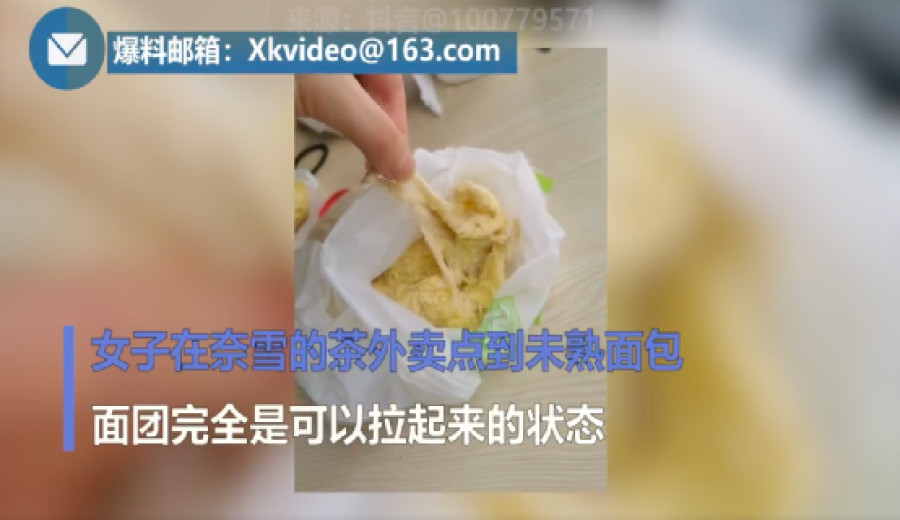
Introduction:The new-style tea brand Nayuki recently faced consumer complaints after delivering an undercooked durian bread via delivery. The store explained that it was "baked a bit softer," but this failed to quell the controversy. This incident once again shed light on the brand’s past food safety issues, ranging from expired ingredients to hygiene hazards in the kitchen. How did Nayuki, once hailed as the "first stock of new-style tea," become a frequent fixture on hot search lists? This article outlines the sequence of events and analyzes the food safety management challenges behind them.
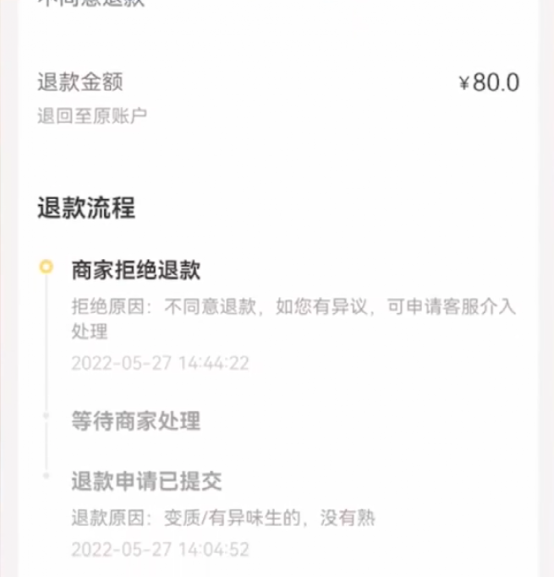
At a time when competition in the new-style tea market has reached a fever pitch, Nayuki once gained the title of "first stock of new-style tea" by being the first to go public, and was seen as a leader in the industry. However, recently, a consumer in Shanghai purchased a durian bread from Nayuki’s store at Shanghai’s White Magnolia Plaza via a food delivery platform, only to find that the dough inside could be pulled out in one piece, seemingly underbaked. The consumer requested a refund but was refused, sparking a series of subsequent disputes.
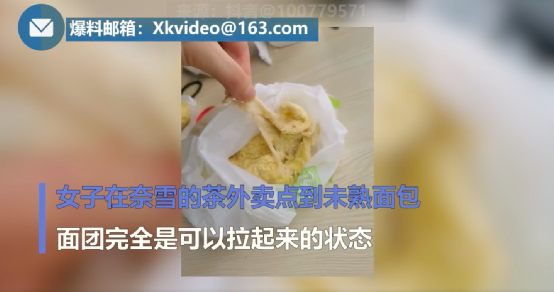
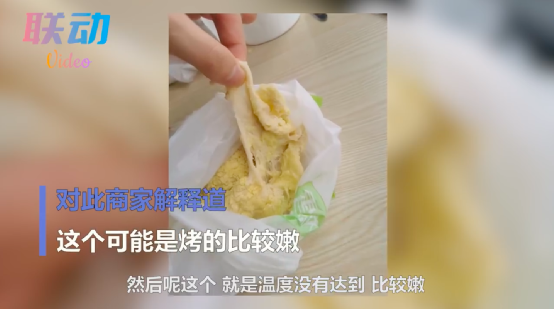
According to the description of the female consumer from Shanghai, she discovered raw, stretchy dough inside the bread while eating it and suspected that the product did not meet the proper baking standards. She immediately contacted the delivery platform to request a refund, but the store rejected her request. The store manager explained that the issue might have been due to the oven not reaching the preset temperature, causing the bread to be "baked a bit softer." This explanation was not accepted by the consumer, who further filed a complaint through Nayuki’s official WeChat public account and reported the issue to Shanghai’s 12315 hotline.
Many netizens online have expressed their opinions on the incident. Some believe the store’s handling was too rigid and that it should have apologized proactively and processed the refund; others bluntly stated that the quality of Nayuki’s products has noticeably declined; and many consumers emphasized that food safety is the bottom line of the catering industry and must not be taken lightly.
In fact, this is not the first time Nayuki has faced food safety scrutiny. Previously, a store in Tianjin was caught using expired milk, for which local authorities issued a fine of RMB 5,000. When the news broke, the company’s market value plummeted by over RMB 20 billion in a single day.
Going further back to April 2021, the China Consumers Association released its "China Consumer Rights Protection Status Annual Report (2021)," which directly named Nayuki for issues involving the use of rotten fruit. In August of the same year, reporters from Xinhua News Agency conducted an undercover investigation in the kitchens of multiple Nayuki stores, exposing a grim scene: cockroaches crawling everywhere, improperly stored fruit leading to rot and spoilage, cleaning tools not washed for long periods, and inaccurate ingredient labeling. These issues fully revealed significant shortcomings in the brand’s food hygiene management. At the time of the incident, Nayuki had only been listed on the Hong Kong Stock Exchange for a little over a month, yet its stock price was cut in half, dealing a heavy blow to market confidence.
According to incomplete statistics from the "Caijing Tianxia" weekly, Nayuki’s various stores and subsidiaries have so far received at least over 20 administrative penalties, with common issues including expired products, improper waste disposal, and fire safety deficiencies. The total fines for these violations amount to no less than RMB 190,000, of which fines directly related to food safety reached RMB 145,000. As a new-style tea brand positioned as high-end, Nayuki charges relatively high prices yet frequently faces major food safety incidents, ultimately leading to a financial performance shift from profit to loss.
After each food safety issue is exposed, Nayuki often publicly apologizes under public pressure and closes the involved stores for rectification. Unfortunately, similar situations often recur shortly after temporary improvements, leaving many consumers disappointed. Some netizens even joke, "How does Nayuki keep making the hot search list every few days?"
Food safety is the cornerstone of the catering industry’s operations, and any negligence can directly impact consumer health. For Nayuki, while expanding its business territory and engaging in cross-industry operations, how to rebuild consumer trust and strictly adhere to quality and hygiene standards will be a key challenge for its stable development in the future.
The above content is compiled by CoffeeHunters, a coffee news website.


