







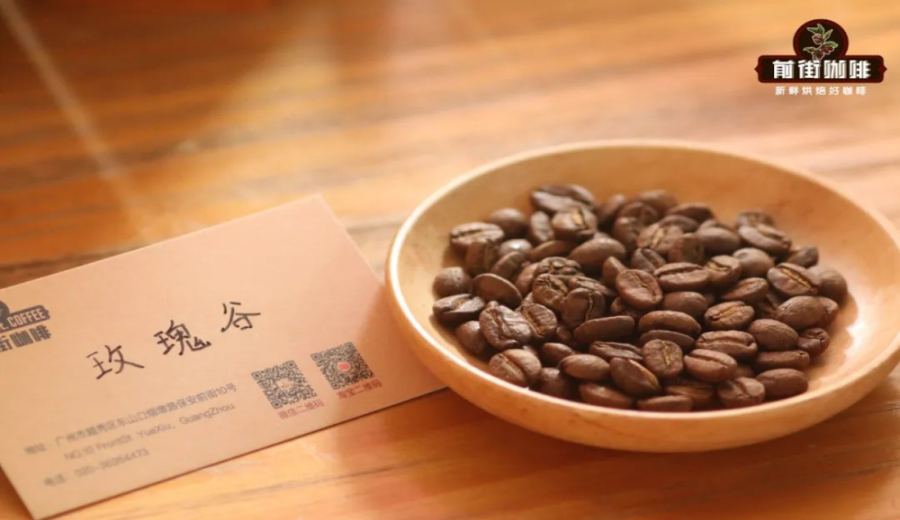
Introduction:Colombian Rose Valley coffee is renowned for its distinctive peach aroma, a secret attributed to its double anaerobic enzymatic washed processing method. These fermented beans are more challenging to brew, requiring precise control over grind size, water temperature, and pouring rhythm. This article will detail the three-stage brewing parameters at 90–91°C, practical methods for calibrating grind size with a sieve, and analyze how pouring techniques can highlight rich floral notes and pure fruity sweetness—helping you achieve stable extraction of this distinctly flavorful anaerobic coffee.
When tasting Colombian Rose Valley for the first time, its vibrant peach flavor often leaves a lasting impression. Compared to regular coffee beans, this double anaerobic enzymatic washed variety has highly recognizable flavors, with a soft rose floral note and strawberry sweetness in the aftertaste.
The so-called double anaerobic enzymatic wash refers to the coffee cherries undergoing two sealed fermentation stages: the first retains the mucilage layer and undergoes low-temperature anaerobic treatment, while the second removes the pulp and reactivates the anaerobic environment with the addition of specialized enzymes. This unique process enhances sugar conversion, ultimately forming a layered sweetness base.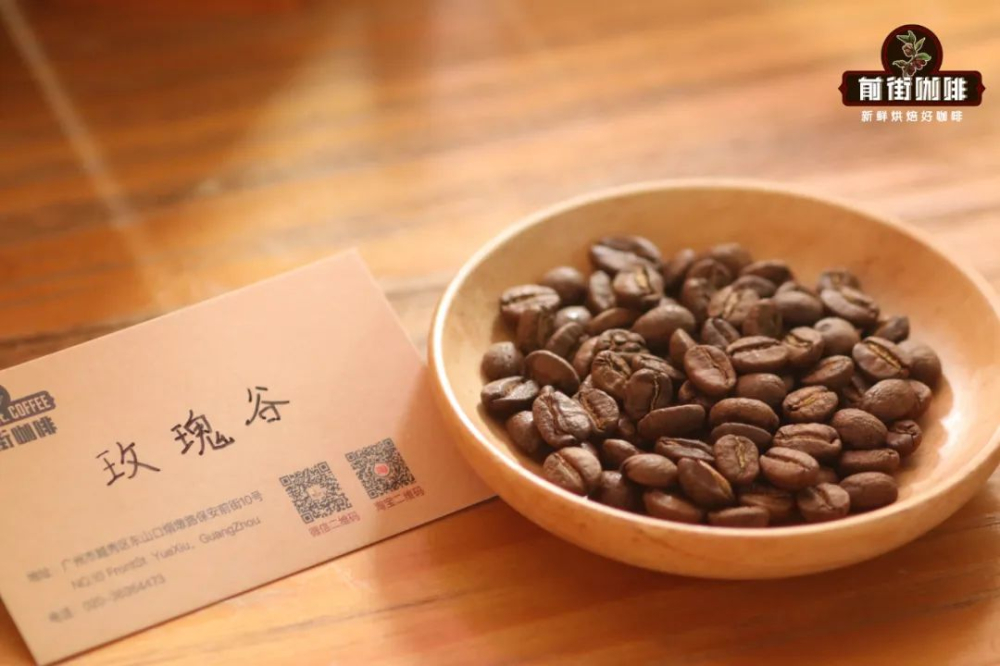
However, brewing anaerobically processed beans requires special attention: these beans have a looser structure. If you directly use the grind parameters for regular washed beans (e.g., EK-43s grinder at setting 10), the actual particles will be coarser than expected. Test data shows that at the same setting 10, washed beans yield an 80% sieving rate through a No. 20 sieve, while Rose Valley only reaches 75%. It’s recommended to adjust through sieve testing, with a target sieving rate of around 80% to ensure even extraction.
Water temperature controlis another key factor—set it between 90–91°C. Too high will cause excessive tannin release, leading to astringency, while too low makes it difficult to fully extract the floral and fruity aromas. Observingthe coffee grounds' expansionis particularly important: when the "hamburger bun" formed during blooming stops changing for about 3 seconds (usually within 25–30 seconds), you can begin the first pour.
The standard parameter setup is 15 grams of coffee to a 1:15 coffee-to-water ratio. The three-stage pouring plan is as follows:First, pour 30 milliliters of hot water to activate blooming, then wait for the coffee bed to expand evenly;Next, add 120 milliliters for the main extraction; finallypour an additional 75 milliliters to complete the brew, keeping the total brew time around 1 minute and 40 seconds. Avoid extending the blooming phase beyond 30 seconds to prevent over-exhaustion and channeling.
Common mistakes include blindly using standard grind sizes (often leading to under-extraction), water temperatures exceeding 92°C (causing sharp acidity and bitterness), and unstable pouring that creates uneven flow, resulting in localized over-extraction. Byusing segmented pours to maintain bed stabilityand observing whether the flow is even (ideally a smooth, continuous stream), you can significantly improve your brewing success rate.
Successfully brewed Rose Valley should display clearlayers of peach and rose aroma, with a sweet strawberry note on the palate and a soft honey finish—free from any noticeable bitterness.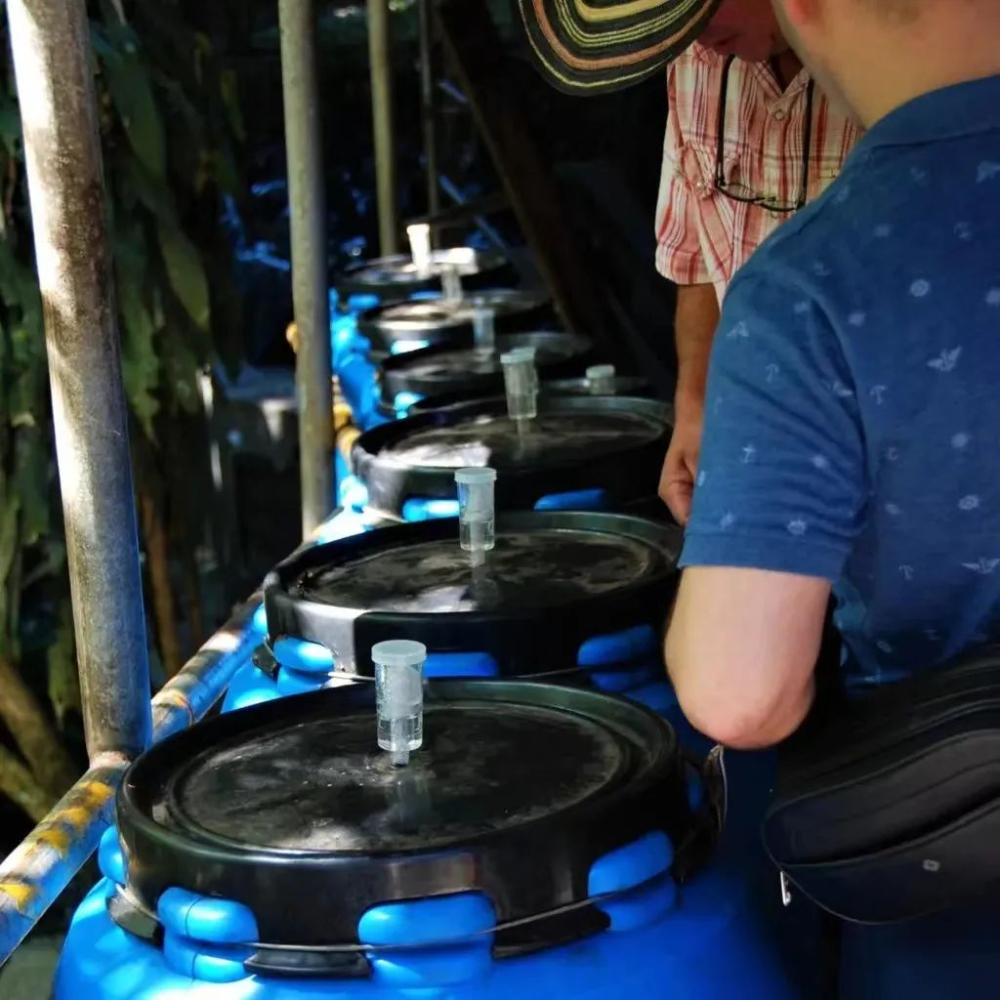 Once you master these points, even beginners can reliably reproduce the unique characteristics of this flavorful anaerobic coffee.
The above content is compiled by CoffeeHunters, a coffee news website.


