








Introduction:After the easing of COVID-19 restrictions in Shanghai, cafes have gradually resumed business operations. However, the popular internet-famous café "WHEN PIGS FLY當豬飛" was investigated for using expired pasteurized egg white liquid to make dessert bases. This case has shed light on common food safety blind spots in the specialty coffee industry—from ingredient shelf life to kitchen management processes—and helps you understand how to avoid these hidden risks.
As Shanghai fully reopens, the aroma of coffee once again fills the streets. People are eager to return to their familiar seats and enjoy a good cup of coffee. But at this very moment, the once top-ranked internet-famous café "WHEN PIGS FLY當豬飛" has come under official investigation due to food safety concerns, sparking widespread discussion among consumers.
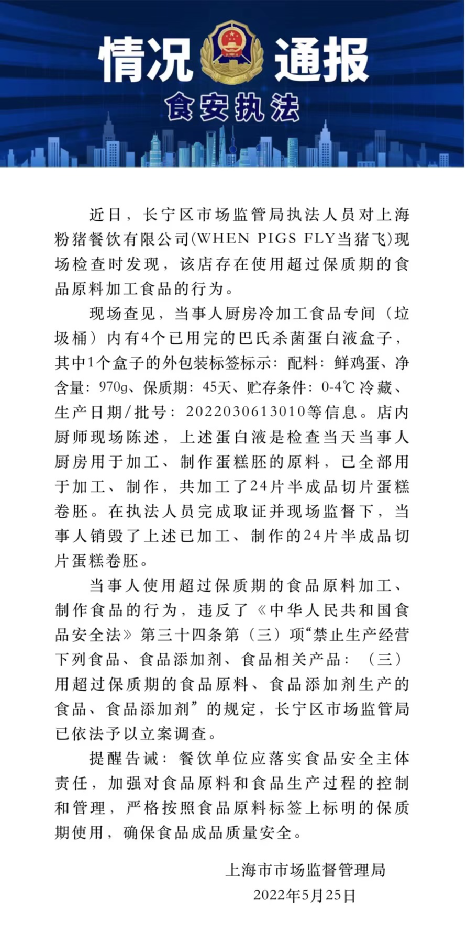
On May 25, the Shanghai Municipal Market Supervision Authority officially announced that "Fen Zhu Catering Co., Ltd." (the operating entity of WHEN PIGS FLY), located on Yuyuan Road, had used food ingredients beyond their expiration date to produce baked goods. As a result, the company was placed under investigation in accordance with relevant provisions of the Food Safety Law. During the inspection, enforcement officers found four empty boxes of pasteurized egg white liquid packaging in the trash bin of the kitchen’s cold processing area.

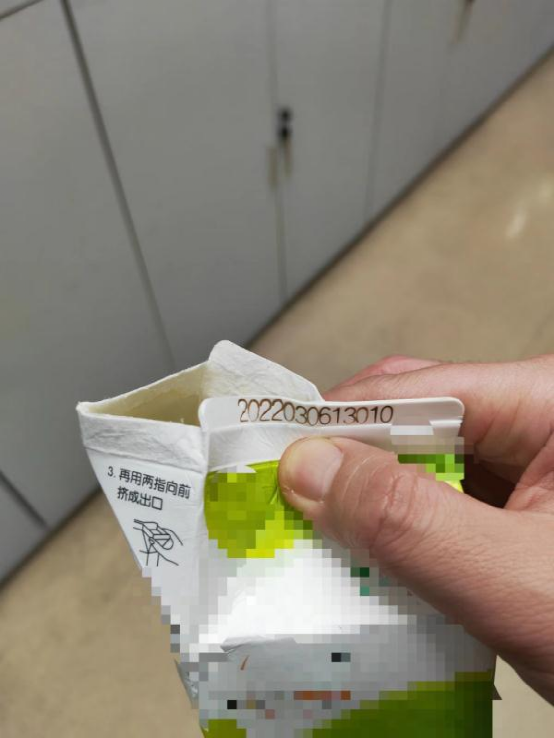
According to the records of the enforcement officers, one of the egg white liquid boxes was labeled with production information indicating it was from batch March 6, 2022, with a shelf life of 45 days—meaning it had exceeded its expiration date by over 20 days at the time of discovery. Notably, the chef admitted that this expired ingredient had been entirely used that day to make cake roll bases, producing a total of 24 semi-finished pieces. Under supervision, the unsold semi-finished products were destroyed on-site.
According to China's Food Safety Law, it is explicitly prohibited to use ingredients past their shelf life to produce food. If the violation does not constitute a criminal offense, the competent authorities may confiscate illegal gains and problematic food items, as well as seize related equipment, tools, and remaining ingredients. Specific penalties vary depending on the value of the goods involved: for amounts under 10,000 RMB, fines range from 50,000 to 100,000 RMB; if over 10,000 RMB, the fine can be ten to twenty times the value of the goods, and in serious cases, the business license may even be revoked.
It is worth noting that "WHEN PIGS FLY" was once ranked as the number one café in Shanghai by a well-known food review platform, attracting many customers who visited specifically because of its fame. However, there were also differing opinions online. Some netizens claimed they had never heard of this so-called "top-ranked shop," while others who had previously patronized the café expressed concerns about food safety. There were also calls for the regulatory authorities to impose stricter penalties.
According to the "Shanghai 2021 Specialty Coffee Consumption Report" released by Dianping, the number of specialty coffee shops in the city has surpassed 3,244, with search volume for related keywords reaching hundreds of millions of times over the past year. The data shows that consumers are increasingly demanding in terms of coffee quality and overall experience, and coffee has long transcended its role as a simple pick-me-up beverage, becoming an important element of lifestyle.
As cities return to normalcy, café operators must not only focus on product innovation and service improvement but also strictly adhere to the non-negotiable bottom line of food safety. From ingredient inspection and temperature-controlled storage to shelf life management, each step can impact the safety of the final product. Especially when using perishable ingredients such as egg white liquid, it is recommended that businesses establish strict incoming goods registration and regular inventory systems, and double-check the status of ingredients before use to avoid major losses due to small oversights.
This case also serves as a reminder to consumers that when choosing a café, in addition to considering flavor and ambiance, it’s wise to pay attention to details such as ingredient freshness and hygiene management—working together to uphold food safety.
The above content is compiled by CoffeeHunters, a coffee news website.


