







Introduction:When learning to brew coffee using the pour over method, many coffee enthusiasts often make common operational mistakes, such as the starting point for the bloom timer, pouring technique, and water flow control. These seemingly minor habits can actually have a direct impact on the flavor profile of the coffee. This article will delve into five common operational errors encountered during self-taught pour over brewing, including misconceptions about the bloom timing, swinging the kettle to pour, using overly small water streams, ending with a strong stream to rinse the coffee grounds, and removing the filter too early. It also provides expert advice and improvement methods to help you establish stable and scientific brewing habits, thereby enhancing extraction quality.
In the learning process of pour over coffee, many beginners may unconsciously develop some incorrect operational habits. Though these subtle actions may seem insignificant, they can actually negatively affect the final flavor of the coffee. This article will provide a detailed analysis of five of the most common operational mistakes, including the starting point of the bloom timer, mimicking baristas’ kettle-swinging pouring motion, over-relying on small water streams, using large water streams to rinse the coffee puck before brewing ends, and removing the filter before all the drip has finished. It will help you understand the principles and impacts behind these operations and offer practical correct approaches.
Misconception 1: Starting the bloom timer only after finishing pouring water
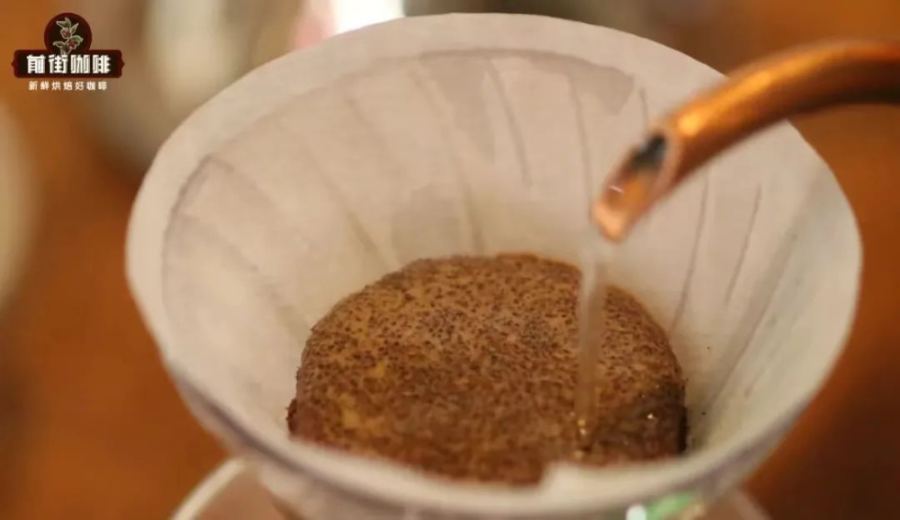
Many people mistakenly believe that the bloom phase should start timing only after all the water has been poured, but this is a common error. The generally recommended bloom time is around 30 seconds. However, if you start the timer only after pouring is completed, the total bloom duration will be extended to about 38–39 seconds. This leads to excessive degassing and premature release of aromatic compounds, which in turn affects the balance of subsequent extraction. Therefore, the correct approach is tostart the timer the moment the first drop of water touches the coffee groundsto ensure the bloom time is accurately controlled at around 30 seconds.
Misconception 2: Mimicking baristas’ kettle-swinging pouring motion
When watching professional baristas pour coffee, it’s common to see them use wrist agility to create elegant kettle-swinging movements. While this looks professional and visually appealing, it demands a high level of pouring control skill. If you attempt to imitate this without having solid foundational skills, not only will it be difficult to maintain a stable water stream, it may also lead to uneven extraction, affecting the overall flavor balance.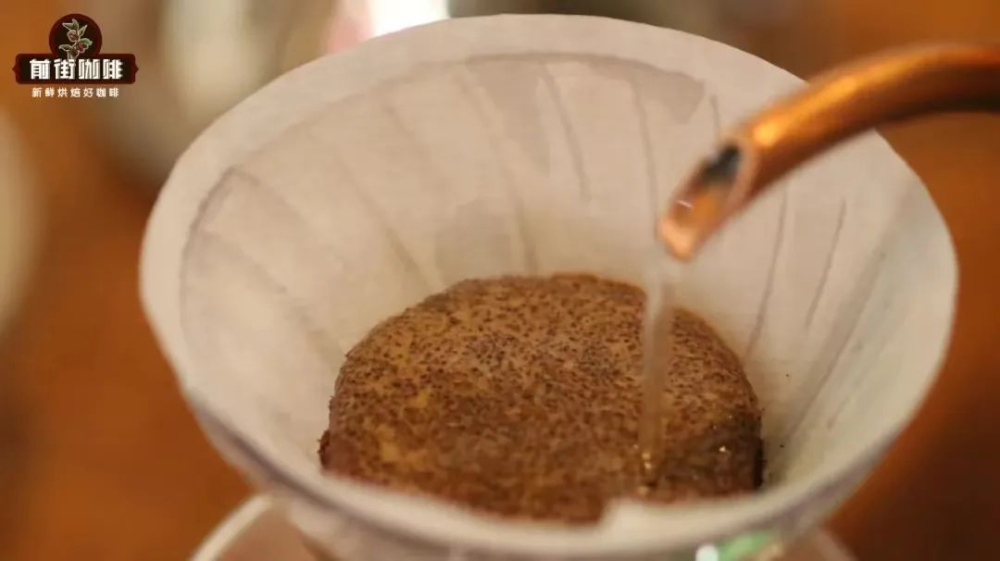 It is recommended that beginners focus first onpouring water in a stable, level circular motionand only consider incorporating advanced techniques once their sense of control and hand stability have improved.
Misconception 3: Believing that small water streams yield the most stable extraction
Some novice coffee brewers, out of caution, use an extremely fine and small water stream throughout the entire brewing process, believing it allows for more precise control over extraction. However, although a small water stream may appear stable, it significantly prolongs both the pouring and immersion times, resulting in overly concentrated flavors, lack of complexity, and even the risk of over-extraction. In fact,a moderate water flow ratecan strike a better balance between extraction efficiency and flavor expression. It is recommended to adjust the pouring pace according to the grind size and the design of the dripper.
Misconception 4: Rinsing the coffee puck with a strong stream before brewing ends
Some coffee enthusiasts, when nearing the end of brewing, use a larger water stream to circle the inner wall of the dripper in an attempt to wash down any remaining coffee grounds stuck to the edge of the filter paper, believing this can improve overall extraction yield. However, this often causes the water to flow directly down along the dripper’s spine, not only failing to effectively enhance extraction, but also leading to uneven coffee bed thickness. It may even cause fine particles originally attached to the edges to resettle at the bottom, increasing resistance to downward flow, resulting in localized over-extraction and overall extraction inconsistency. Unless under specific conditions with matched parameters, it is advised to avoid this practice.
Misconception 5: Removing the filter early to “cut off” the last bit of coffee liquid
Some people, during the pour over process, remove the filter when there are still about 20 milliliters of coffee left to drip, believing this prevents bitterness from the final drops. However, this so-called “cut-off” behavior actually alters the originally set coffee-to-water ratio, resulting in insufficient extraction volume and unpredictable outcomes.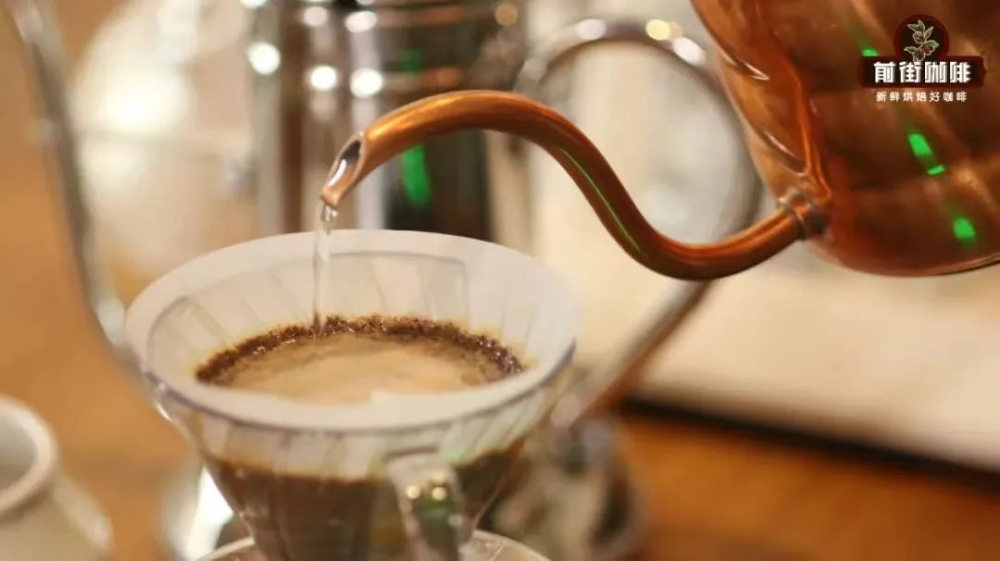 It is important to remember that pour over coffee is a process governed by scientific parameters—including grind size, water temperature, and coffee-to-water ratio—all of which need to be strictly controlled. If you find the final drops affecting flavor, you should first review and adjust these basic parameters, rather than relying on emergency measures like cutting off the flow. Under normal circumstances, letting the coffee liquid drip out naturally is the ideal method of extraction.
The above content is compiled by CoffeeHunters, a coffee news website.


