







Introduction:After Shanghai resumed work, multiple popular cafes were investigated by authorities for using expired ingredients and poor hygiene, including well-known spots like “People’s Cafe,” “When Pigs Fly Cafe,” and the chain brand MANNER. This article provides a detailed analysis of the causes behind these food safety incidents and offers practical advice for consumers to identify safe cafes, ensuring you can enjoy your coffee with peace of mind.
As the pandemic in Shanghai eased and various industries gradually resumed operations, cafes also started reopening. However, amid this wave of recovery, several highly recommended cafes by netizens were investigated by authorities for food safety issues, drawing widespread public attention. From using expired parsley flakes and juice to employing expired egg whites in cake production, these problems not only affect consumer health but also raise doubts about the quality control of so-called “internet-famous cafes.”
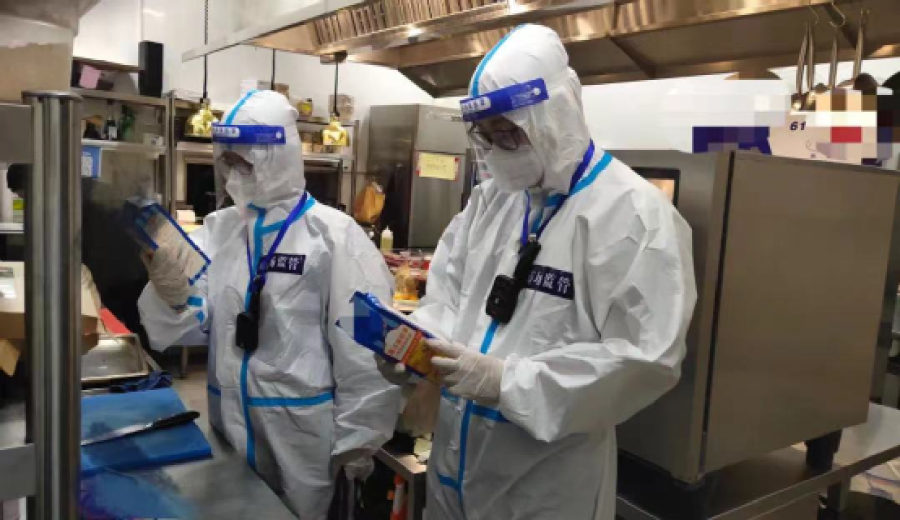
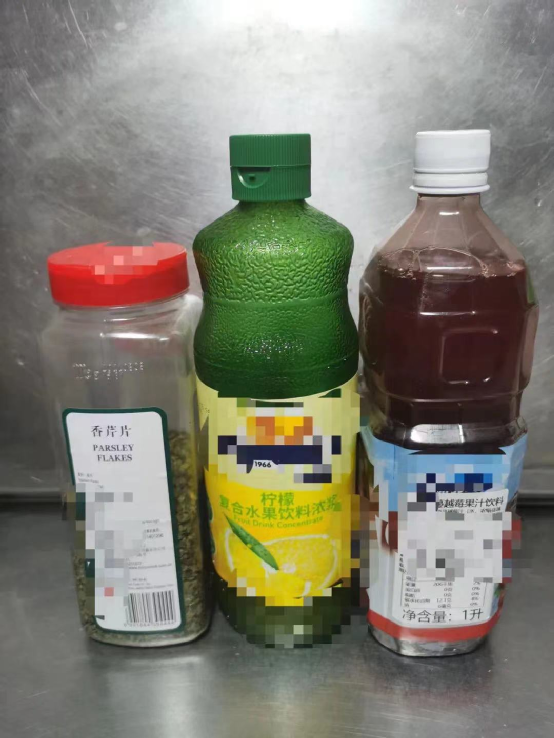
According to official information, the popular cafe “People’s Cafe” in Jing’an District was investigated by the local market supervision authority for failing to promptly dispose of food ingredients that had exceeded their shelf life. On-site inspections revealed an opened bottle of parsley flakes on the kitchen shelf, with a production date of March 3, 2021, and a shelf life of 12 months; there was also an opened cranberry juice beverage with a production date of May 26, 2021, and an expiry date of March 25, 2022; as well as a bottle of lemon composite fruit drink concentrate, produced on April 19, 2021, which had also passed its shelf life. In accordance with Article 54 of the Food Safety Law of the People’s Republic of China, food businesses are required to regularly inspect inventory and promptly remove expired or spoiled food. These clear violations have raised serious questions about the establishment’s management standards.
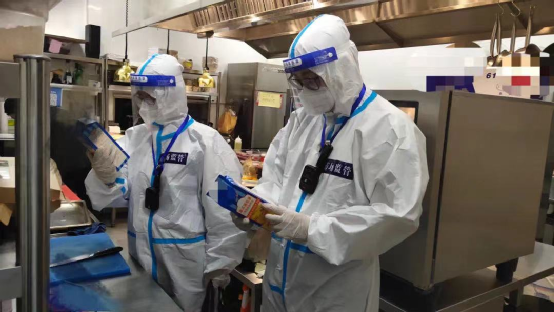
Another prominent chain coffee brand, MANNER, also faced serious hygiene and ingredient management issues at its Wujiang Road branch in Shanghai. During an on-site inspection by local market regulators, it was found that the store not only had a dirty and disorganized environment, but also failed to store food ingredients according to regulations, prompting immediate initiation of an investigation. After the incident came to light, MANNER quickly issued an apology through official channels and stated that the involved branch had been immediately closed for a comprehensive overhaul.
Furthermore, a highly rated local cafe, “When Pigs Fly Cafe (WHEN PIGS FLY),” was exposed for using expired ingredients in dessert preparation. Law enforcement officers found four used boxes of pasteurized egg white packaging in the trash bin of the shop’s cold processing area. One of the boxes was labeled with a production date of March 6, 2022, and a shelf life of just 45 days—meaning it had expired by over 20 days at the time of discovery. According to the chef on site, these expired egg whites had been used to make 24 semi-finished cake roll bases. Although the problematic products were all destroyed under the supervision of law enforcement, the Changning District Market Supervision Authority still initiated an investigation in accordance with the law.
Industry insiders analyze that as the pace of resuming work and production accelerates after the pandemic, many small cafes are facing challenges such as ingredient shortages and delays in new supply. Some shops may have neglected basic food safety management under the pressure of hastily resuming operations. However, no matter how large the orders or how difficult the business situation, using expired ingredients is never a valid excuse. These incidents also remind consumers that when choosing a cafe, they should not focus solely on its social media popularity, but also pay attention to hygiene management and ingredient freshness.
In fact, in recent years, many beverage shops that rose to fame through internet marketing have repeatedly “crashed” due to food safety issues. Once consumer trust is lost, it is often very difficult to recover. For industry practitioners, food safety is a bottom line that can never be compromised. Only by ensuring the safety and hygiene of every cup of coffee and every dessert can long-term customer support be truly earned.
For consumers, when choosing a cafe, in addition to paying attention to the flavor of the drinks and the interior design, you can also observe whether the shop discloses its ingredient sources, undergoes regular hygiene audits, or even watch whether the on-site preparation processes are standardized. A good cup of coffee should not come at the cost of health. Only when both businesses and consumers place importance on these aspects can coffee culture continue to develop healthily.
The above content is compiled by CoffeeHunters, a coffee news website.


