







Introduction:Tapioca pearls, a classic topping in bubble tea, can pose potential health risks if used improperly. This article delves into a notable incident where a well-known bubble tea brand was penalized for using expired tapioca pearls, analyzing relevant food safety regulations, operational mishaps, and offering advice to help consumers identify and prevent such issues—so you can enjoy your bubble tea with peace of mind.
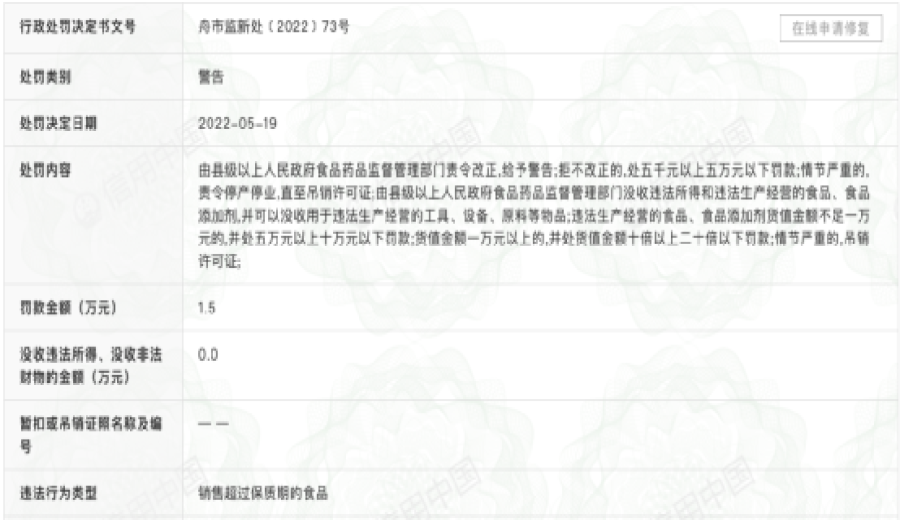
Tapioca pearls can be considered the soul of bubble tea culture, with their chewy texture winning the hearts of many consumers. However, once these little ingredients exceed their shelf life, they not only lose flavor but may also introduce food safety risks. Recently, a branch of a renowned chain bubble tea brand located at Zhoushan Ruxin Plaza was fined approximately NT$68,000 (RMB 15,000) by local market regulators for using expired tapioca pearls to make drinks like bubble milk tea, drawing public attention.
According to public records, the outlet is operated by Zhoushan Changzhi Island Branch of Riri Zhan (Zhejiang) Catering Management Co., Ltd.—better known to the public as Chun Shui Tang (a.k.a. “ShareTea”). The incident dates back to the end of November 2021, when the store purchased 10 boxes of “ShareTea” brand tapioca pearls from a supplier at around RMB 43.5 per box. Each box contained 6 bags, with a total weight of 180 kilograms and an overall purchase cost of RMB 2,610.
Starting in mid-January 2022, these tapioca pearls were cooked into what is commonly referred to as “boba,” and used in several popular drinks such as “Boba Milk Tea/Milk Green Tea,” “Four Seasons Spring + Pearl Coconut,” “Mixed Beads Red/Green/Blue/Black,” and “Passion Fruit Trio.” Some were also offered as free add-ins to customers. However, by February 14, 2022, this batch of ingredients had already exceeded its labeled expiration date, yet the outlet continued to mix it with newly stocked items and used it in the preparation process.
By the time the issue was discovered on February 22, 2022, the store had already used the expired tapioca pearls to prepare and sell 2 large cups of boba milk tea, each priced at RMB 14; 2 medium cups priced at RMB 11 and RMB 11.11 (discounted price), respectively. Additionally, 28 various other milk tea drinks were served with these expired pearls as free toppings. It is estimated that the total value of food products involving expired ingredients was at least RMB 752.15, with illegal profits amounting to at least RMB 512.9.
Even more concerning is that the outlet failed to establish a complete system for inspecting and recording food purchases as required. That is, key information such as the name, specifications, quantity, production date or batch number, shelf life, purchase date, supplier name, address, and contact details of the purchased food items were not accurately recorded, nor were relevant vouchers retained for inspection—another violation of basic food safety management requirements.
Once food exceeds its labeled shelf life, regardless of whether its appearance has changed, it may, over time, lead to microbial growth, textural alterations, or even the production of harmful substances. Relevant regulations explicitly prohibit the use of expired food ingredients in the preparation of any food intended for consumer consumption. Such actions not only endanger health but also directly constitute a legal violation.
This incident is not the first time the brand has faced food safety controversies. As early as March 2021, media reports indicated that a branch in Fuzhou, Fujian, was complained about by a consumer who found an insect approximately 1 cm long in their purchased milk tea, sparking widespread public outcry. Although the brand later issued a response, the recurrence of such incidents continues to raise concerns among many consumers about the safety of beverage preparation processes.
With the arrival of summer and rising temperatures, consumer demand for various chilled bubble teas and fruit teas has surged significantly, leading to a sharp increase in production volume at beverage shops. Ingredient management and storage have become even more critical. For industry personnel, strictly controlling the purchase dates of ingredients, conducting regular inventory checks, and adhering to the first-in-first-out principle are all fundamental measures to avoid using expired materials. For consumers, if you notice any off-odors, foreign objects, or unusual textures in your drink, it is important to voice your concerns promptly to safeguard your rights.
The above content is compiled by CoffeeHunters, a coffee news website.


