







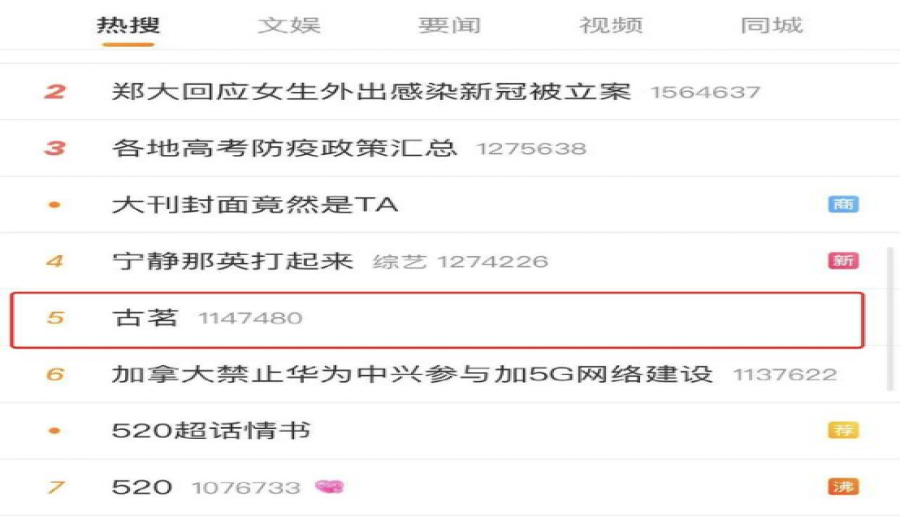
Introduction:On May 20, 2022, during an official Douyin livestream, ancient tea brand 古茗 (Guyuming) launched a flash sale for discount coupons. However, due to system abnormalities, a large number of orders were forcibly refunded, triggering widespread consumer dissatisfaction and propelling the incident to the top of Weibo’s trending topics. This marked the third major brand trust crisis for the company that year. This article provides a detailed timeline of the events, analyzes the causes of the system failure and subsequent measures taken, and reviews prior controversies involving 古茗 related to food safety and tax issues, offering readers a comprehensive understanding of the situation.
As a traditional romantic holiday, May 20 has always been a key moment for many brands to host promotional livestreams. However, 古茗’s Douyin livestream in 2022 encountered massive refunds due to system issues, sparking strong consumer backlash. The incident quickly gained traction on social media platforms and even trended on Weibo.
As early as May 19, 古茗’s official Weibo account publicly announced an upcoming livestream event on the Douyin platform.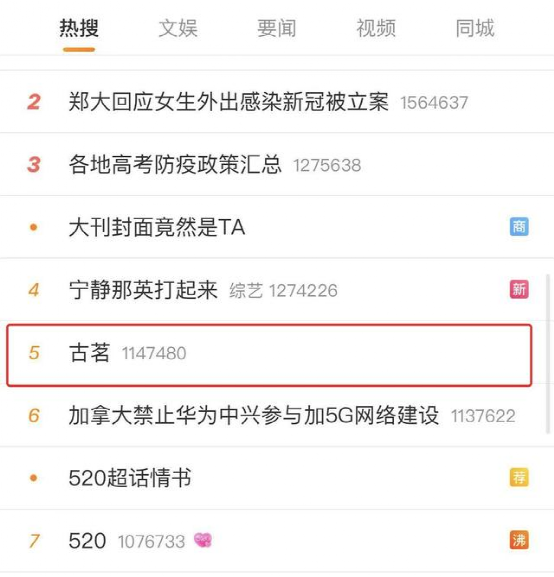 The announcement attracted considerable attention from fans, with many netizens even stating they had downloaded Douyin specifically to participate in the flash sale.
On the day of May 20, 古茗’s Douyin livestream, hosted by two presenters, featured a limited-time flash sale of coupon codes. It was reported that customers who successfully secured coupons could enjoy discounted tea beverages at over 6,000 nationwide outlets.
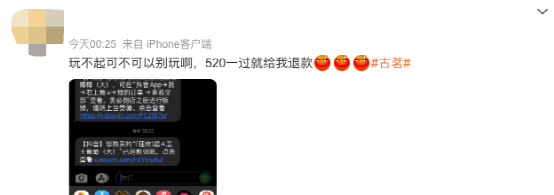
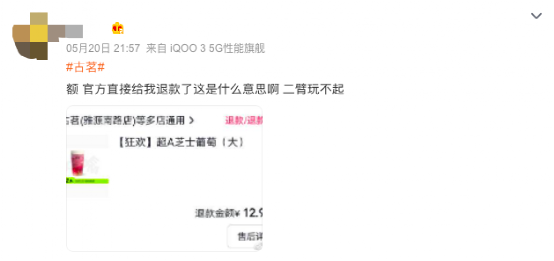
However, the event did not go as smoothly as expected. Many consumers reported that although they had successfully obtained coupons, their orders remained stuck in a “paying” status for extended periods. Some users even found their orders had been automatically canceled by the system, or received confusing notifications of successful purchases after being refunded.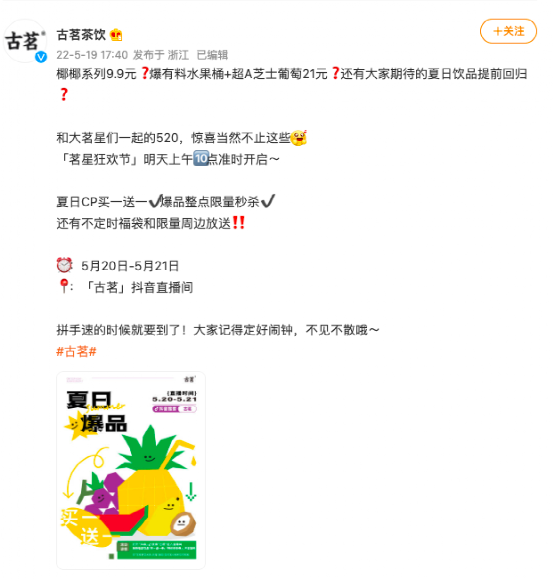
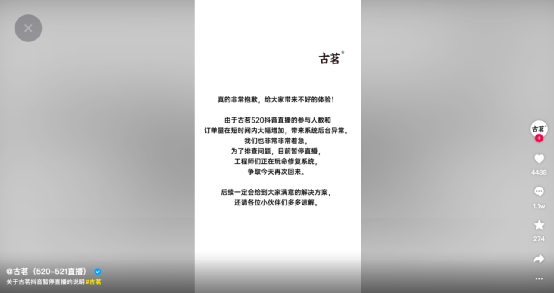
Faced with a flood of user complaints, 古茗’s Douyin livestream was promptly suspended, and an official apology statement was released. It explained that the sudden surge in participant numbers and order volume had exceeded system capacity, resulting in backend malfunctions. The technical team was said to be working urgently to fix the issue, and the brand promised to relaunch the livestream as soon as possible along with a satisfactory compensation plan for affected customers.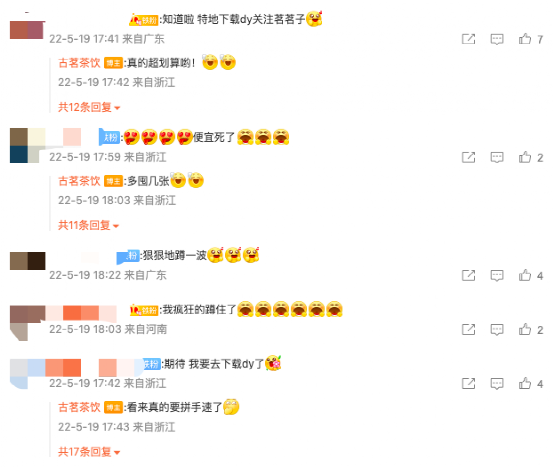
Despite the official apology, many netizens remained dissatisfied with the response, with some comments directly criticizing 古茗 for “not being able to handle it,” expressing doubts about the brand’s integrity.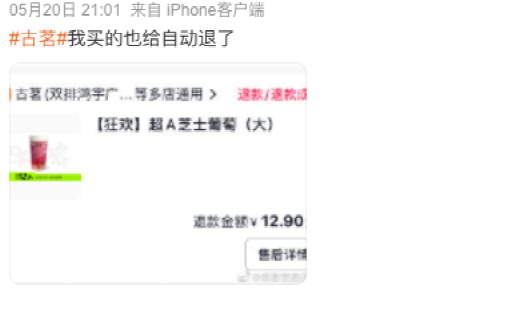
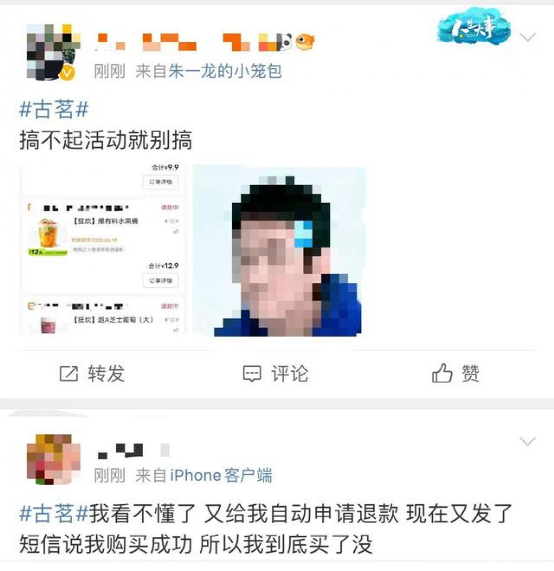
For users whose orders were automatically refunded by the platform due to system issues, 古茗 stated that compensation would be provided. Customers could use a link sent via official SMS to repurchase the corresponding products at the same discount.
On May 21, many consumers were still eagerly awaiting the livestream’s resumption. However, 古茗’s Douyin account later announced that although the system was gradually stabilizing, it had yet to return to normal operational levels. As a result, the livestream was postponed once again, with the new broadcast time to be notified separately.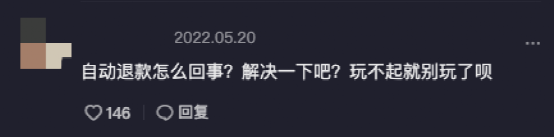
This system crash incident was actually the third brand trust crisis that 古茗 faced within 2022. As early as February, undercover media reports revealed that a 古茗 outlet at Wuhan Plaza was using expired yogurt, spoiled fruit, altering preservation dates without authorization, and maintaining generally poor hygiene conditions. These issues drew serious attention from the Wuhan Market Supervision authorities and prompted an investigation. In response, the brand stated that it had shut down the involved store for a comprehensive inspection and increased the frequency of routine checks across all its outlets nationwide.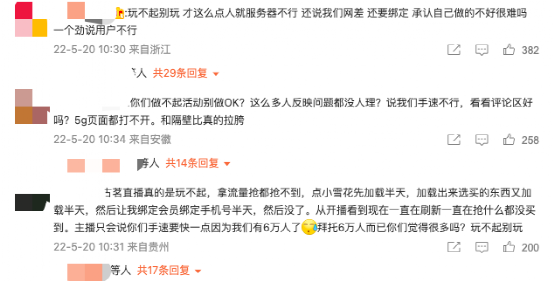
Shortly after, on March 28, news that “古茗 was fined 11.61 million yuan for tax evasion” reignited public discourse. Against the backdrop of increasing societal emphasis on corporate tax compliance, this revelation left many consumers disappointed, believing that the brand’s repeated missteps severely damaged its image.
Taken together, these incidents not only exposed 古茗’s multiple challenges in system stability, quality control, and financial compliance, but also served as a reminder to consumers that when choosing a brand, it is important to consider not just the product itself, but also the brand’s service quality and credibility. Whether 古茗 can rebuild consumer confidence in the future remains to be seen.
The above content is compiled by CoffeeHunters, a coffee news website.


