








Introduction:As a globally renowned coffee chain brand, Starbucks has long positioned itself as an environmentally conscious company. However, its recently exposed operations involving reusable cups have sparked accusations of "greenwashing." From the use of single-use plastic cups to the controversy over the amount of plastic in strawless lids, this article will delve into the true face of Starbucks behind its environmental commitments, explore the challenges and improvement directions of its reusable cup initiatives, and help readers gain a comprehensive understanding of the brand’s actual performance on the path to sustainability.
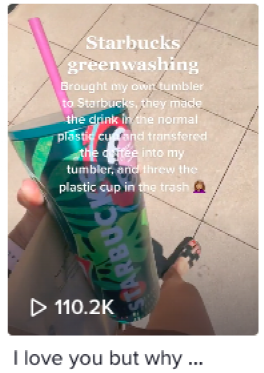
For years, Starbucks has been committed to shaping an eco-friendly corporate image—from promoting coffee grounds straws to accelerating the global expansion of its “Greener Stores” initiative—which has indeed earned it praise from many environmental advocates. However, a video circulating on TikTok plunged the coffee giant into a “greenwashing” scandal. In the footage, a customer brings their own reusable glass cup to purchase a drink at Starbucks, only to find that the barista first prepares the beverage in a single-use plastic cup, then pours it into the customer’s cup, and ultimately discards the plastic cup.
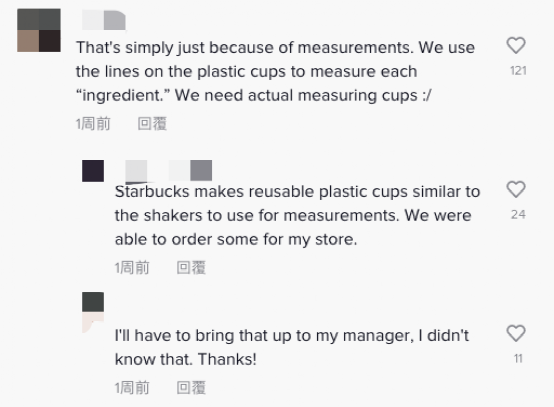
As of May 22, the video had garnered over 110,000 views on TikTok, sparking widespread discussion. Some users claiming to be Starbucks employees explained in the comments that this practice is due to the fact that single-use plastic cups have measurement markings for ingredient quantities, facilitating accurate drink preparation. Others mentioned that Starbucks actually offers reusable measuring cups, but these seem not to be widely used.
This incident has once again raised questions about Starbucks’ environmental sincerity and is seen as a classic case of "greenwashing"—where a company promotes its environmental efforts in vague or misleading ways that exceed its actual actions. In fact, this is not the first time Starbucks has faced criticism over its environmental measures.

As early as 2018, Starbucks announced plans to completely phase out single-use plastic straws by 2020 and introduced a new strawless lid design featuring a sipping dome to replace traditional straws. This lid was rolled out in over 8,000 stores across North America. However, media reports pointed out that this new lid actually uses more plastic than the original straw-and-lid combination. Especially for Nitro Cold Brew lids, the thickness is noticeably increased. Although Starbucks emphasized that the lids are made of recyclable polypropylene (PP), according to The Economist’s 2018 report, only about 9% of plastics globally are effectively recycled, with most recyclable plastics failing to enter the recycling system due to contamination and other issues.
Additionally, Starbucks had previously introduced a deposit-based reusable cup program, but since early rental cups were mostly made of PP, they were difficult to recycle after use, potentially creating more waste and prompting consumer skepticism. To address this, Starbucks Japan pioneered a stainless steel cup rental service, allowing customers to use the cups for a three-day rental period. However, amid ongoing uncertainties related to the global pandemic, some customers expressed unease about the cleaning and disinfection processes of the stainless steel cups, despite Starbucks stating that high-temperature washing and sanitization would be conducted.
These controversies highlight the practical challenges Starbucks faces in implementing its environmental policies. From the selection and design of plastic lids to the promotion and management of reusable cups, each step can impact whether the brand’s sustainability commitments are fulfilled. For consumers, understanding these details can help them make more informed purchasing choices while also encouraging companies to further improve their environmental practices.
Starbucks still has significant room for improvement in its journey toward environmental sustainability. Every decision—from the routine use of single-use plastic cups to the choice of lid materials—can have a profound impact on the environment. Whether the brand can truly achieve its plastic reduction goals remains to be seen and continuously monitored.
The above content is compiled by CoffeeHunters, a coffee news website.


