







Introduction:Starbucks China has recently faced challenges such as declining sales and restricted store operations, with younger demographics gradually excluding it from their top choices. This article analyzes the reasons behind Starbucks’ struggles in the Chinese market from various angles—brand positioning, product innovation, market competition, and the impact of the pandemic—and explores the shifting coffee preferences of the new generation of consumers to help you grasp market trends and purchasing directions.
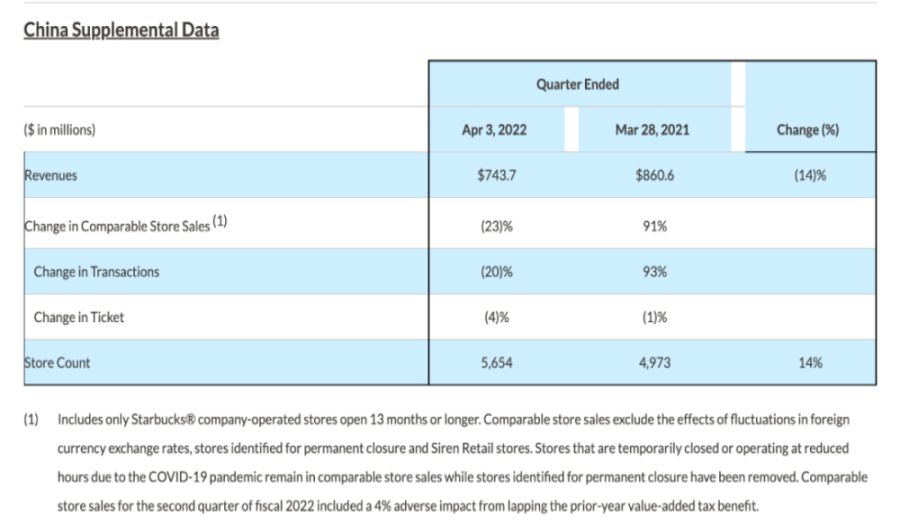
Starbucks China has been under increasing operational pressure lately. According to the latest financial report data, during the previous quarter (approximately 13 weeks), as many as 30% of its stores were temporarily closed or only offered delivery and mobile ordering services. Wang Jingying, Chairman of Starbucks China, stated that due to the prolonged lockdown in Shanghai and recurring outbreaks in Beijing and other regions, the third-quarter financial results are expected to face further pressure. However, she remains confident in the Chinese market and emphasized that the store expansion plan will not slow down.
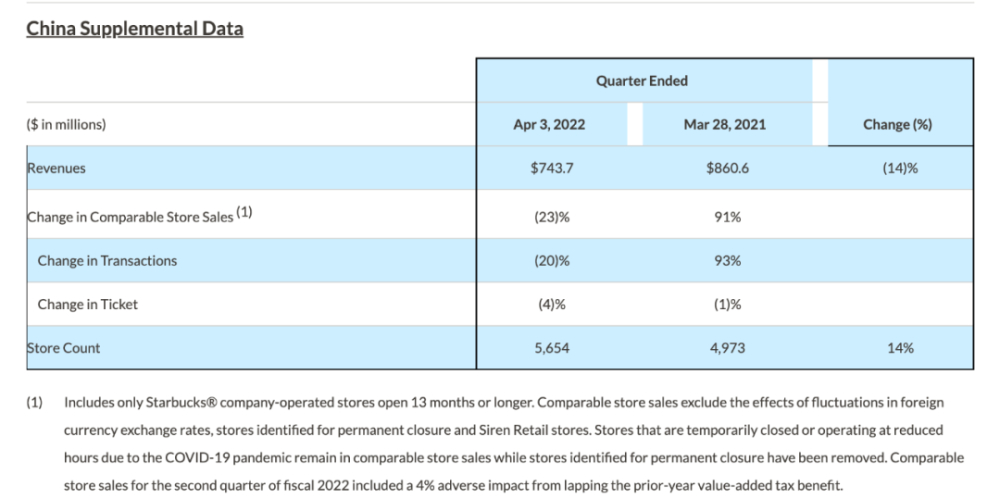
According to publicly available data from the second quarter of the 2022 fiscal year, Starbucks opened 97 new stores in the Chinese market and continues to move toward its goal of reaching 6,000 stores by the end of 2022. By the end of that quarter, the combined number of stores in China and the United States accounted for 61% of Starbucks’ global total, with 5,654 in China and 15,544 in the U.S., highlighting the importance of the Chinese market.
However, Starbucks’ declining sales performance in China has also sparked heated discussions on social media platforms, particularly the Weibo trending topic “Why do young people look down on Starbucks?” which resonated widely. Netizens expressed diverse views—some believe it is due to high prices, lack of innovation, and a brand positioning and image that have strayed from expectations, while others pointed out that overall coffee consumption habits have changed. Young people are not necessarily rejecting Starbucks but now have more options.
Product pricing has always been a focal point of consumer discussion, with Starbucks often labeled as “expensive.” Compared to other local or small independent coffee brands, when taste is similar, consumers naturally tend to choose more affordable options. Nowadays, coffee has become part of everyday life, no longer just a symbol of high-end or foreign consumption, and brand effect is no longer the decisive factor.
In terms of product innovation, Starbucks has been relatively slow-paced. Many consumers have noted that simply adjusting syrup flavors and releasing them as new products lacks originality and fails to deliver surprises in terms of visuals or taste. Compared to current beverages that emphasize personalization, diversity, and social media appeal, Starbucks is noticeably lagging in its innovation pace.
Brand image is also a key factor. Since the end of last year, Starbucks has been involved in incidents such as food safety concerns and ejecting police officers, triggering negative public opinion. These not only damaged the brand’s reputation but also led some consumers to switch to other brands. For originally loyal customers, these incidents have also caused a trust crisis, further weakening the brand’s appeal.
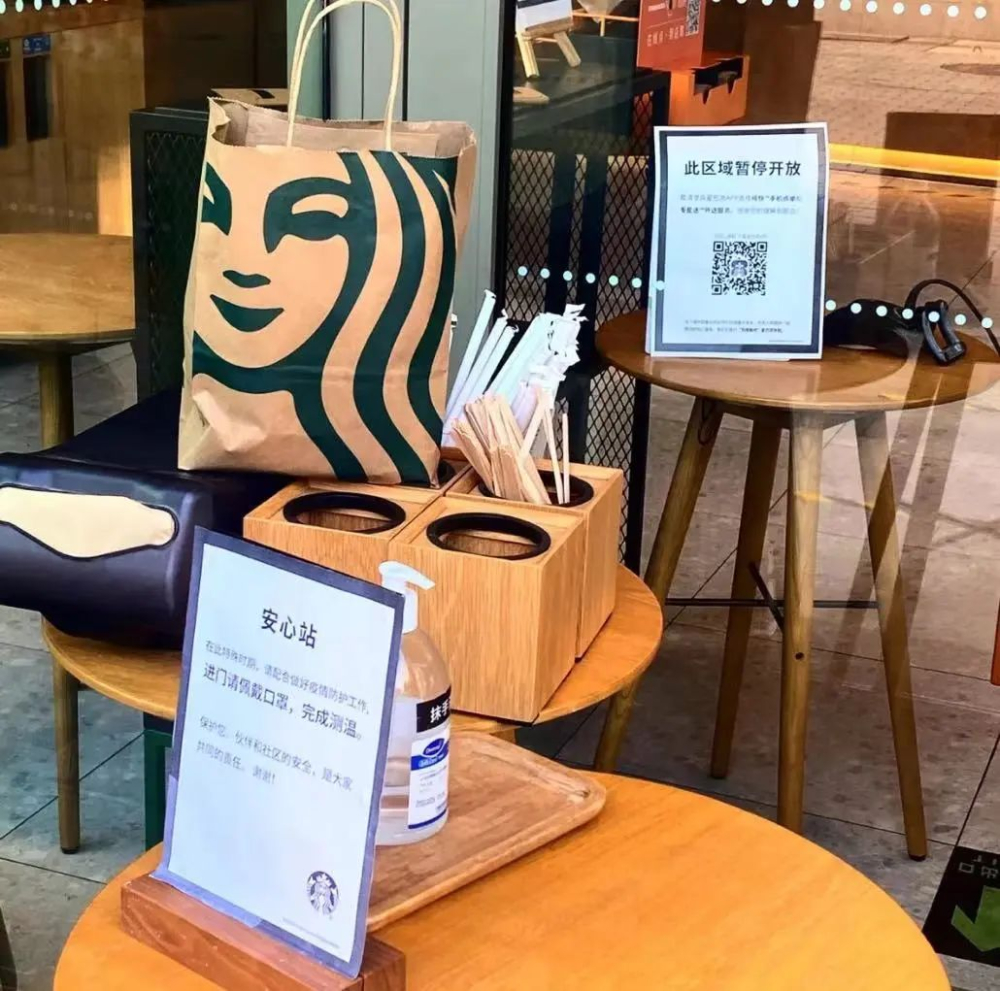
The impact of the pandemic also cannot be ignored. Most Starbucks stores were temporarily unable to offer dine-in services, making it difficult to realize the brand’s much-touted concept of the “third space.” In the past, many business professionals, students, and freelancers enjoyed working or meeting at Starbucks, precisely because of its quiet, comfortable, and private environment. However, when dine-in service was restricted, even if delivery or pre-order pickup was provided, it was hard to regain the consumption frequency of this core customer group.
It is worth noting that the pandemic has not only changed Starbucks’ operational model but also reshaped overall coffee consumption habits. In the past, many people were accustomed to enjoying the process of baristas brewing coffee on-site and experiencing the unique atmosphere of coffee shops. But now, more and more consumers choose to brew coffee at home, and the market has seen the emergence of many convenient coffee products, such as freeze-dried coffee powder, cold brew coffee liquid, and drip bags, along with a wealth of DIY tutorials online, allowing people to easily make good-tasting coffee at home.
Moreover, as specialty coffee culture becomes more widespread, many coffee enthusiasts have begun to explore the characteristics of coffee beans from different producing regions, roasting levels, and brewing techniques. The variety of coffee beans on the market has become increasingly diverse, ranging from light to dark roasts, and from Ethiopia to Colombia, each with its own unique flavor profile. At the same time, brewing equipment such as pour over brewers, French presses, AeroPress, siphon pots, and clever drippers continue to emerge, providing suitable tools for both beginners and advanced users based on their needs.
The channels for learning about coffee knowledge and techniques have also become more diverse. Through social media, video tutorials, and in-person workshops, many consumers are no longer deterred by complex theories but instead enjoy the hands-on experience and the fun of adjusting parameters. From grind size, water temperature control, brewing time, to coffee-to-water ratio, every step can be fine-tuned according to personal taste to create a unique flavor, which has also become a daily moment of self-care for many.
In summary, young consumers are not entirely “looking down on” Starbucks, but are driven by diverse choices and personalized needs to find coffee solutions that better align with their tastes and lifestyles. For some users who have not yet deeply engaged with coffee culture, Starbucks remains the first choice for entry, thanks to its high visibility and consistent brand experience, keeping the word “coffee” closely associated with Starbucks.
The above content is compiled by CoffeeHunters, a coffee news website.


