








Introduction:The smoky flavor in coffee often leads people to suspect roasting flaws, but it can also be a natural gift from the terroir of the origin. This article delves into the two main sources of smoky flavors in Guatemalan coffee, distinguishing between roasting defects and regional characteristics. It also provides a detailed analysis of two representative coffee varieties—Huehuetenango and Antigua Antigua—exploring their flavor profiles and ideal brewing methods to help you better appreciate the unique charm of this classic Central American origin.
When you taste smoke in your coffee, your first thought might be, “Was this bean roasted poorly?” In reality, the reason behind the smoky note may be quite different from what you assume. In the world of coffee tasting, smokiness can stem from two very distinct stages: one is a roasting defect caused by improper ventilation during roasting, and the other is a distinctive aromatic trait naturally cultivated by the region’s soil and microclimate. Understanding the difference between these two can help you more accurately evaluate a coffee’s quality, and may even lead you to discover new flavor preferences.
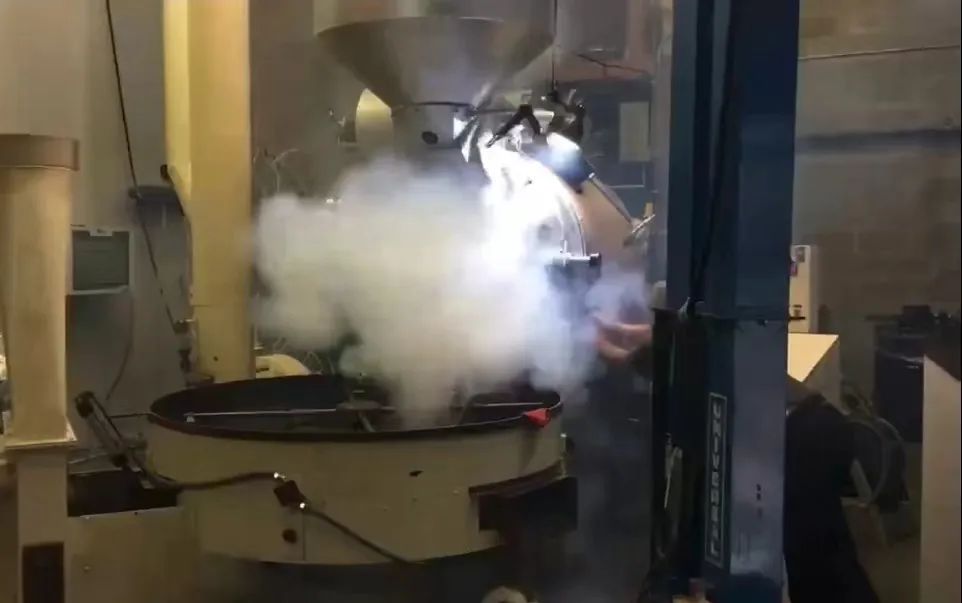
Let’s first talk about smokiness resulting from roasting. As coffee beans heat up in the roaster, the internal moisture gradually evaporates, and the outer silver skin (the thin membrane around the bean) begins to peel away. This process releases a significant amount of smoke. If the roaster fails to adjust the damper size in time to effectively vent this smoke, the smoke can become trapped inside the roaster and gradually permeate the beans. This type of smoky flavor tends to be distinctly harsh and may cause throat discomfort, classifying it as a typical roasting defect—often referred to as “smoky off-flavor.”
However, not all smoky flavors indicate a roasting issue. In certain specific origins, such as Guatemala in Central America, smokiness can be a natural component of the coffee’s flavor profile. One customer shared that when he lived in Colombia and Venezuela, he developed the habit of drinking coffee with cigarettes and particularly loved a coffee bean with a strong tobacco-like character. After returning home and being unable to source it due to the pandemic, he found a substitute with a similar flavor through a friend’s recommendation. What he described was precisely the common smoky aroma in Guatemalan coffee—a soft, elegant smoke reminiscent of burning tobacco, not pungent, and actually favored by some smokers or those who enjoy complex layers in their cup.
Guatemala’s ability to cultivate this unique smoky character is inseparable from its geographical environment. The country encompasses tropical rainforests, highland valleys, and multiple active volcanoes, boasting over 300 microclimates that result in highly diverse flavor profiles across its coffee-growing regions. In a cup of Guatemalan coffee, you might experience the bright acidity of citrus fruits, the fresh aroma of lemon peel, the mellow finish of nuts, and that faint trace of tobacco note. This multi-layered flavor combination is also one of the reasons why Guatemalan coffee stands out in the international market. Even in the 2021 Guatemala Cup of Excellence evaluation, “smoky” appeared as a positive descriptor in the cupping notes.
Currently, the most readily available Guatemalan coffees on the market mainly come from two well-known origins: Huehuetenango and Antigua. These two regions not only have altitudes suitable for coffee cultivation, but also feature unique microclimates and soil conditions, resulting in distinctly different flavor expressions.
First, let’s look at the Huehuetenango region. Although not located in a volcanic zone, its high altitude, cool climate, and abundant water supply make it highly suitable for growing hard-bean coffee. Coffees from this area typically exhibit bright acidity, often accompanied by the freshness of citrus fruits and subtle notes of lemon peel, along with Guatemala’s signature smoky aroma and nutty undertones. For drinkers looking to experience the overall flavor profile of Guatemalan coffee, Huehuetenango beans are an excellent representative choice and are often used as everyday drinking beans, balancing flavor and value.
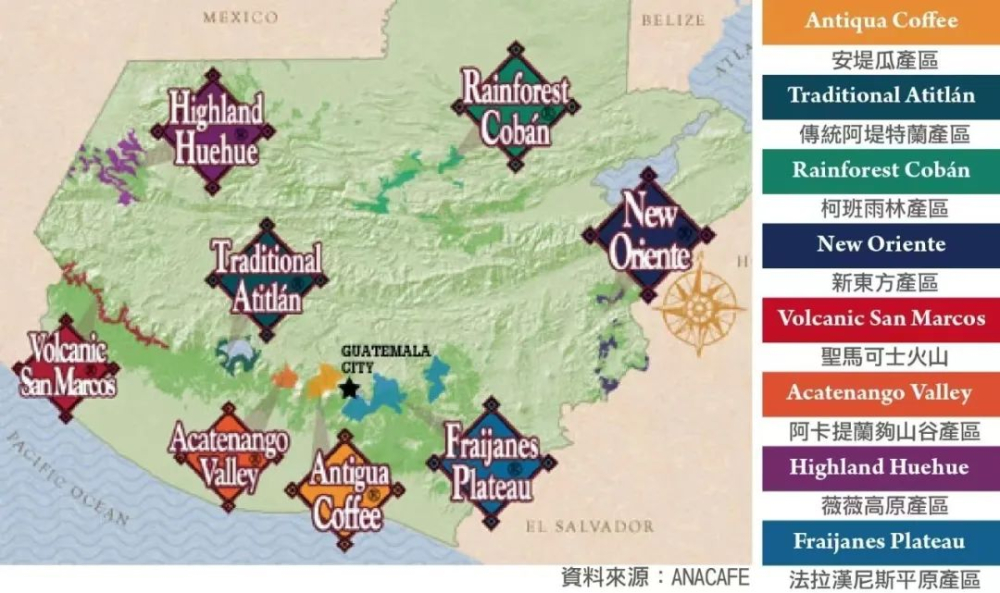
As for the Antigua region, it is situated in a volcanic zone. Its fertile volcanic soil and significant diurnal temperature variation provide rich nourishment and slow ripening conditions, resulting in coffees with more intense aromas and sweetness. Among them, the Florencia coffee bean from La Minita Estate is one of the region’s representatives. Known for its rigorous cultivation management, refined processing techniques, and high standards of quality control, this bean consistently ranks at the top in quality assessments within the Antigua region. Its smoky note is relatively subtle—not dominating the aroma—but rather complementing the vibrant fruit acidity and sweetness with a rich mouthfeel, delivering an overall more rounded and layered profile.
In summary, when you detect smoky notes in your coffee—whether by smell or taste—it’s worth first clarifying its origin: is it a technical issue from the roasting process, or a natural gift from the region’s terroir? If you’re looking to explore coffee flavors beyond Geisha, Guatemalan coffee might offer you a refreshing experience. As that customer said, “Guatemala grows Geisha too!” But perhaps what’s even more worthwhile to explore are the unique stories of smoke and fruit interwoven in this land.
The above content is compiled by CoffeeHunters, a coffee news website.


