







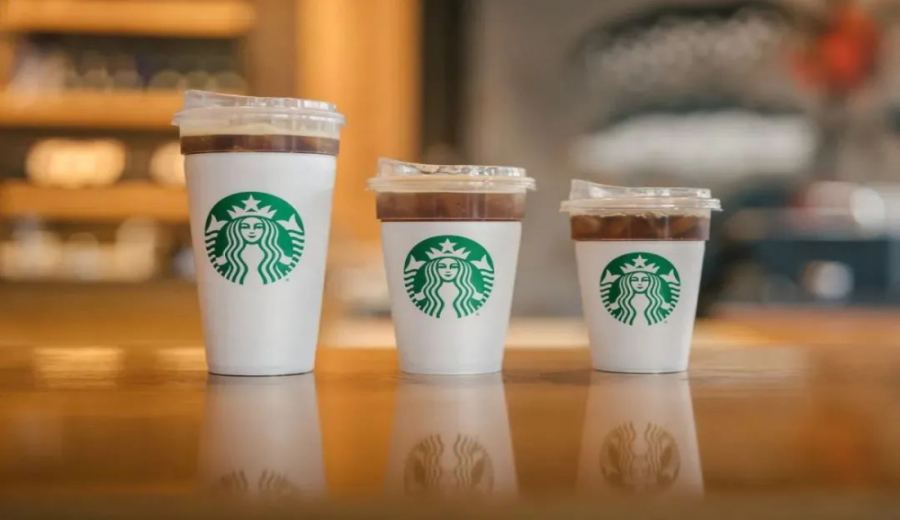
Introduction:Starbucks Japan has launched an innovative stainless steel cup rental service where customers can easily borrow cups by scanning a QR code with their phones. Returning the cup within three days even earns you a discount on your drink. Not only does this eliminate the hassle of traditional deposits, but it also emphasizes high-temperature disinfection to ensure hygiene and safety. This article takes an in-depth look at how this new initiative works, the user experience, and its environmental potential—showing you how Japan is promoting a more user-friendly sustainable beverage culture.
Starbucks previously attempted deposit-based reusable cup schemes in South Korea, Seattle, and London, but the results fell short of expectations. Now, Starbucks Japan has taken a different approach by introducing a brand-new stainless steel cup rental service at ten Tokyo stores. Customers simply scan a QR code at the bottom of the cup via a mobile app to borrow a stainless steel cup for free, with a three-day usage period. Upon returning the cup, they also receive an instant drink discount. This service not only removes the burden of deposits but also highlights a standardized high-temperature cleaning and disinfection process to ensure cup hygiene, so consumers don’t have to worry about viruses or bacterial residues.
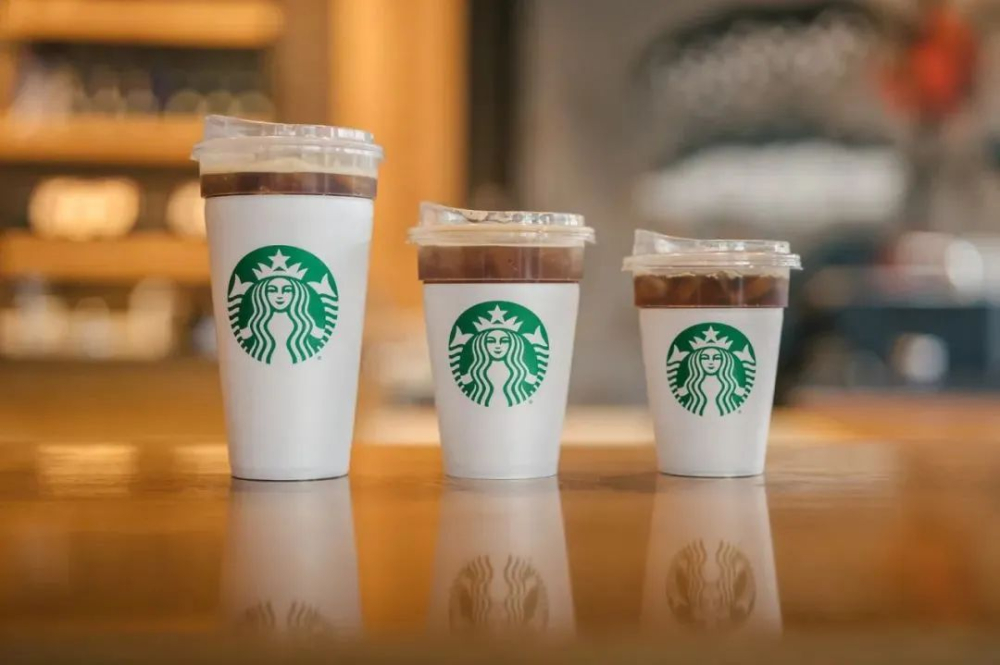
In the past, when Starbucks tried a deposit-based reusable cup system in South Korea, customers had to pay around $1 to borrow a cup. After returning it to any store, they could get their deposit back and earn 10 Stars points, which could be redeemed for drinks or food once a certain number of points were accumulated. However, this move drew criticism from many customers, who felt the mandatory deposit created a psychological barrier. Later, Starbucks adjusted its strategy by introducing self-service cup washing machines for customers to clean their own cups, and even allowed old cups to be exchanged for new ones or refunded. Yet the overall environmental impact remained questionable. In particular, the eco-friendly PP material used was recyclable but difficult to truly reuse, often ending up as waste.
In light of this, Starbucks Japan decided to reform from the ground up by focusing on the material itself, introducing rental cups made of stainless steel. Compared to previous flashy designs, these stainless steel cups feature a minimalist industrial style. Aside from retaining the brand mark, the cups do not bear the Starbucks logo or excessive decorative elements. This not only reduces the urge to purchase but also aligns with the environmentally friendly concept of “better to rent than buy impulsively.”
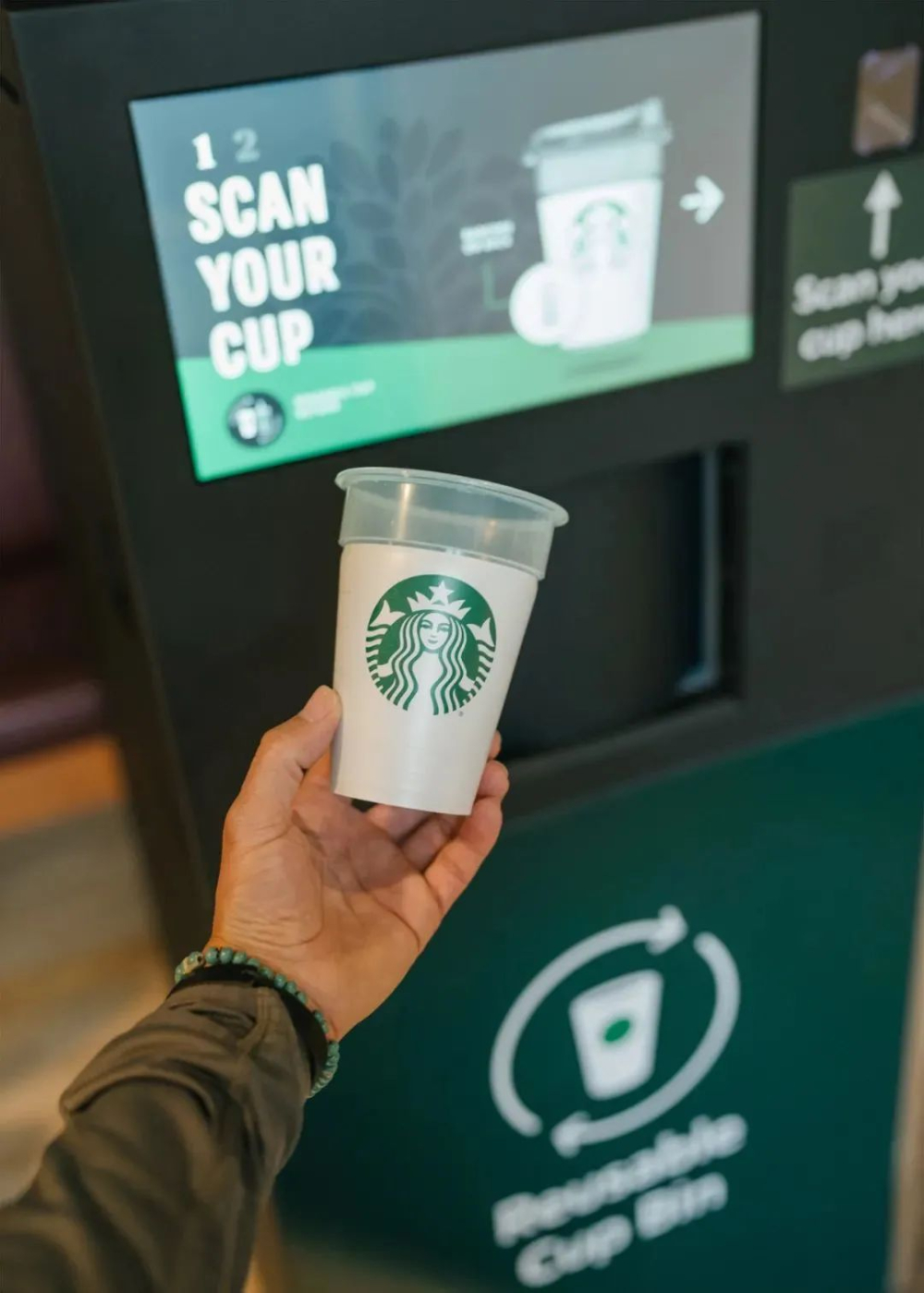
Currently, this rental service is being trialed at ten Starbucks locations in the Tokyo area. Customers only need to scan the QR code at the bottom of the cup via a mobile app to complete the borrowing process. To encourage participation, Starbucks is offering an exclusive rental cup discount—21 yen off any drink purchased with a rental cup. The rental period is three days, during which customers can use the cup freely without any additional restrictions. To return the cup, users simply select the nearest store via the mobile app and hand it over to the staff.
Starbucks emphasizes that all returned stainless steel cups undergo standardized high-temperature cleaning and thorough disinfection to ensure each cup meets hygiene standards before being lent out again. Especially during the pandemic, many Starbucks locations worldwide temporarily suspended accepting customer-brought cups to reduce the risk of cross-infection. This new rental model in Japan not only addresses hygiene concerns but has also received better user feedback compared to the previous deposit system.
Starbucks Japan stated that this service may gradually expand to other regions in the future, hoping to boost public acceptance of eco-friendly actions through more consumer-centric design. For customers already familiar with bringing their own cups, if this model were introduced in regions like Guangdong in southern China, we might even see interesting scenes of “lang bei” (re-rinsing the cup with hot water), adding a fun twist to the experience.
The above content is compiled by CoffeeHunters, a coffee news website.


