







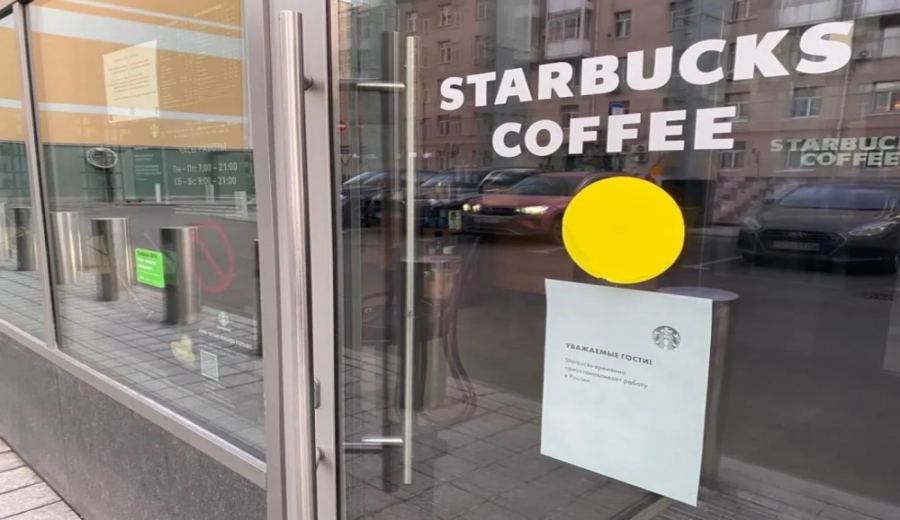
Introduction:Starbucks has officially announced the end of its 16-year presence in the Russian market, bringing an end to the model where its 130 stores were fully operated by franchisees. This decision not only reflects how the U.S. food and beverage giant is adjusting its global layout due to the Russia-Ukraine conflict, but also opens up opportunities for local Russian businesses to take over the market void left by international brands. This article delves into the background and process of Starbucks' exit, as well as the potential changes that may follow in the Russian market.
Starbucks has recently officially announced its full withdrawal from the Russian market, ending the operations of 130 stores that had been fully run by a local franchise partner since 2007. This move is a strategic adjustment made after a long evaluation following the outbreak of the Russia-Ukraine conflict, and marks yet another major U.S. restaurant brand to completely pull out of Russia, following McDonald's.
Before its withdrawal, Starbucks’ business in Russia was funded and operated daily by a local franchise partner, peaking at 130 stores nationwide. According to overseas market analysts, the Russian market contributed less than 1% to Starbucks’ global revenue, but its brand presence held symbolic significance. In March this year, then-CEO Kevin Johnson issued a public letter condemning Russia’s military actions in Ukraine, emphasizing that it was an “unprovoked, unjust, and horrific attack,” and expressing sympathy for those affected.
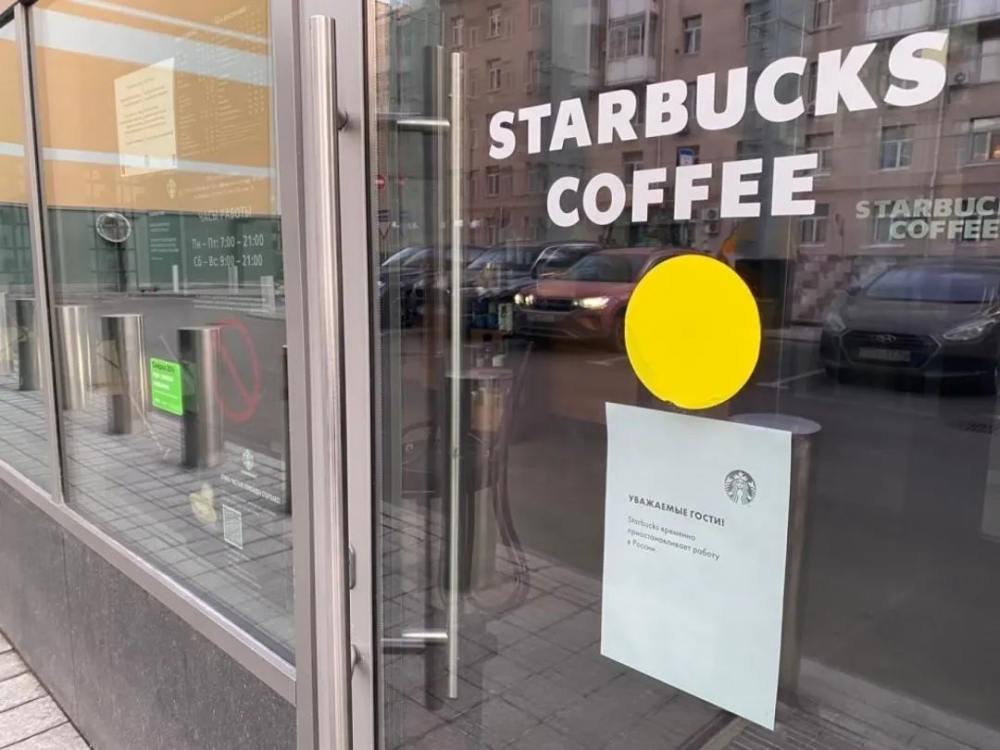
At the same time, Starbucks pledged to donate all franchise fees generated from its Russian stores to humanitarian aid programs in Ukraine, and on March 8 further announced the suspension of store operations across Russia. Although Starbucks did not detail the specific impact of the suspension on its overall financial performance in its Q2 earnings report published on May 3, the market generally expects the decision to have limited effect on its global earnings.
Notably, before Starbucks announced its exit, another major U.S. restaurant chain, McDonald’s, had already announced on May 16 that it would exit the Russian market. McDonald’s subsequently sold its Russian business to Alexander Govor, a long-term holder of its franchise rights, on May 19. Govor stated that he would retain the original supply chain (with over 90% of suppliers being Russian), restaurant layouts, and menu offerings, but the brand name would be changed to align with the new operational direction.
Chris Kempczinski, CEO of McDonald’s USA, also pointed out in a public letter to employees on March 8 that “the conflict in Ukraine and the humanitarian crisis in Europe have caused immense suffering. We stand with people around the world in condemning aggression and violence, and we pray for peace.” Additionally, McDonald’s committed to continuing to pay the salaries of its 62,000 Russian employees and donated $5 million to an employee assistance fund, demonstrating corporate social responsibility.
In addition to Starbucks and McDonald’s, many Western companies are also gradually selling or withdrawing their assets in Russia. Faced with this wave of international brand exits, Dmitry Medvedev, Deputy Chairman of the Security Council of Russia, stated that the government is taking steps to either bankrupt or nationalize the assets of withdrawing enterprises. Some market analysts believe that although international brands are exiting en masse, this also presents rare development opportunities for local Russian businesses, which could take over the market void and accelerate the growth of domestic brands.
With the departure of Starbucks and other Western brands, the landscape of the Russian coffee market may undergo a new round of reshuffling. Whether more local brands will rise or whether international brands will return to the market in other forms remains to be seen. For coffee industry players and consumers alike, this wave of change also offers an opportunity to re-examine market trends and supply chain adjustments.
The above content is compiled by CoffeeHunters, a coffee news website.


