







Introduction:As global attention to sustainability grows, the carbon footprint of the coffee industry has also come under scrutiny. Traditional sea and air freight rely on fossil fuels, resulting in significant carbon emissions. A UK startup, NEW DAWN TRADERS, has adopted sailboat shipping for green coffee beans—an approach that takes over five months but drastically reduces carbon output. This article delves into the feasibility of this retro transport method, reviews the history of sailing cargo ships, and analyzes their potential in modern coffee supply chains.
After the COVID-19 pandemic, consumers have become increasingly concerned about the sustainability and environmental impact of their coffee. From cultivation and harvesting to the final cup of aromatic brew, the carbon footprint of the entire process is gradually becoming a consideration in purchasing decisions. However, since most coffee-producing countries and consumer markets are located on different continents, ocean transport is an inevitable step—and it usually relies on fuel-powered cargo ships or air freight, leading to substantial carbon emissions.
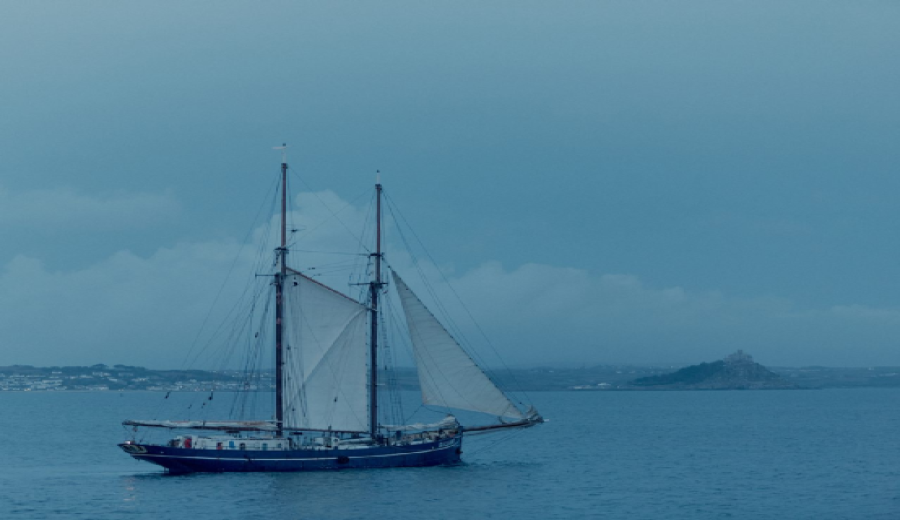
Faced with such challenges, the UK startup NEW DAWN TRADERS has proposed an experimental solution: using traditional sailing ships to transport green coffee beans across oceans without any fuel engines. While this method significantly extends transit time, it greatly minimizes environmental impact.
Founded in 2013, NEW DAWN TRADERS has been committed to promoting more eco-conscious international freight models from the outset. According to reports, the company does not own its own fleet but instead charters existing sailing vessels. Each year, they organize two voyages to countries including Portugal, Costa Rica, the Caribbean, and Colombia, transporting a variety of goods such as honey, wine, rice, olive oil, and green coffee beans.
On a typical transatlantic voyage, the company departs from the port of La Mina in Tolima, Colombia, with a cargo hold full of freshly harvested green coffee beans. The journey takes nearly five and a half months, covering a total distance of approximately 7,000 nautical miles, finally arriving at a small port in Cornwall, UK. Although the transport time far exceeds the weeks-long journeys of modern cargo ships, this ancient wind-powered method succeeds in minimizing carbon emissions, making it an innovative case in the pursuit of sustainable supply chains.
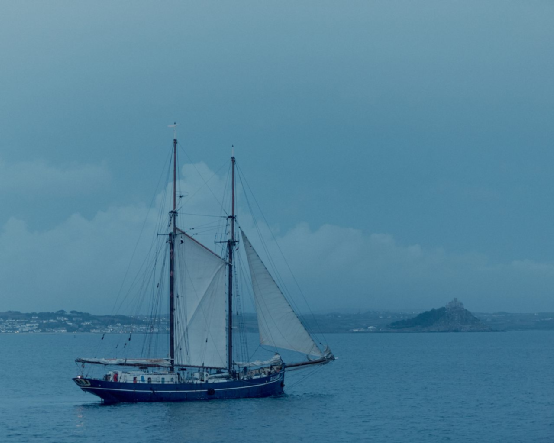
It must be said that the inconveniences of abandoning modern power systems are also evident. Without engine assistance, sailboats are slow, and highly subject to weather and monsoon conditions, making it difficult to accurately predict voyage duration. Yet, this most primitive form of transport boasts “zero emissions” as its biggest selling point, earning support from many environmental advocates and practitioners of sustainable supply chains.
Similar to NEW DAWN TRADERS’ initiative, the renowned Canadian coffee roasting brand Café William and its partner Sailcargo are actively pushing forward with a plan to build zero-emission sailing cargo ships. It is understood that this innovative vessel is expected to officially launch in 2023, aiming to provide a truly sustainable freight option—not only for coffee but also for other agricultural products and goods.
Speaking of sailing cargo ships, this mode of transport actually peaked in the 19th century. At that time, European merchants, eager to quickly bring high-quality tea from China and India back to their homelands, heavily invested in improving sailboat technology, even developing “clipper ships” known for speed competitions. One of the most famous examples is the British-built Cutty Sark, which set sail from Hankou and delivered Chinese tea to London in just 109 days , setting an astonishing sailing record at the time.

However, with the opening of the Suez Canal in 1869 and the rise of steam-powered ships, these wind-dependent vessels—which required no special training to operate—gradually lost their competitive edge. Steamships were not only faster but also unaffected by monsoons, better suiting the rapidly expanding demands of global trade at the time.
Entering the 21st century, as climate change issues gained prominence, the carbon emissions caused by the shipping industry came under renewed scrutiny. Statistics show that global commercial vessels emit massive amounts of CO₂ each year, with a significant environmental impact. As a result, some pioneering companies have begun to reconsider whether partial restoration of sail power could serve as a supplementary measure for carbon reduction.
Although sail cargo transport still faces numerous challenges at this stage—including long voyage times, susceptibility to weather, and limited cargo capacity—it offers a thought-provoking direction for sustainable maritime shipping. For coffee brands and consumers striving for ultimate sustainability, this may be one of the green logistics options worth watching in the future.
The above content is compiled by CoffeeHunters, a coffee news website.


