








Introduction:A well-known Chinese tea beverage brand, Yihetang, was exposed in Zhengzhou for serious food safety violations across multiple outlets, including the use of expired ingredients, moldy fruits, and even selling drinks containing insects. This article delves into the operational chaos behind the incident and analyzes relevant regulations to help consumers understand how to avoid potential food safety risks.
A major Chinese tea beverage brand, Yihetang, has recently been embroiled in multiple food safety scandals in Zhengzhou, drawing widespread public concern. Investigations revealed that some outlets were using overnight ingredients, tampering with expiration dates, and making drinks with moldy fruits. Staff members displayed a blatant disregard for these violations, with comments revealing a lax attitude toward food safety.
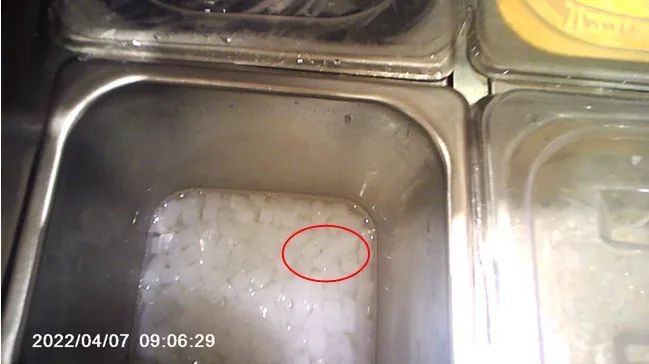
Surveillance footage showed that some Yihetang outlets, instead of discarding ingredients like orange slices, red beans, and bubble tea toppings at closing time, repackaged and reused them the next day. For example, the Zhongmu Baise Sha branch continued to use ingredients that should have been discarded on April 6, keeping them wrapped in plastic wrap until the following day. More alarmingly, on April 7, fruit gel found in storage was discovered to have live insects inside, yet staff simply removed the bugs and continued using the product.

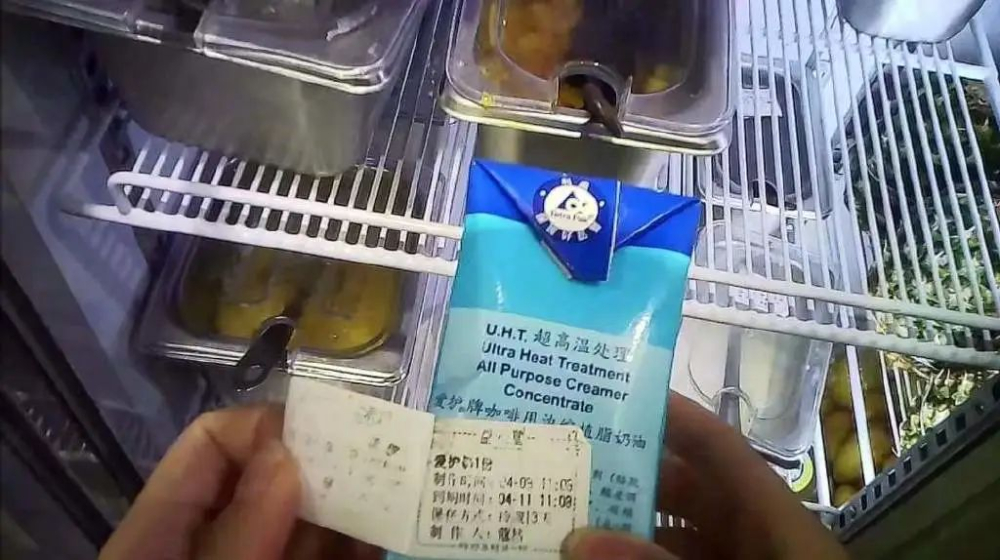
In terms of labeling management, the Xinzhen Yuanling Middle School branch also exhibited severe issues. A carton of opened milk was found with two labels—the original expiration date of April 11 had been altered to April 14. Additionally, beef jerky that had expired nearly one and a half months prior was still being used to make drinks as late as April 12. When questioned, staff dismissed concerns, saying "It’s fine, it won’t kill you," with one even adding, "Customers, what’s there to fear?"—demonstrating a blatant disregard for food safety.
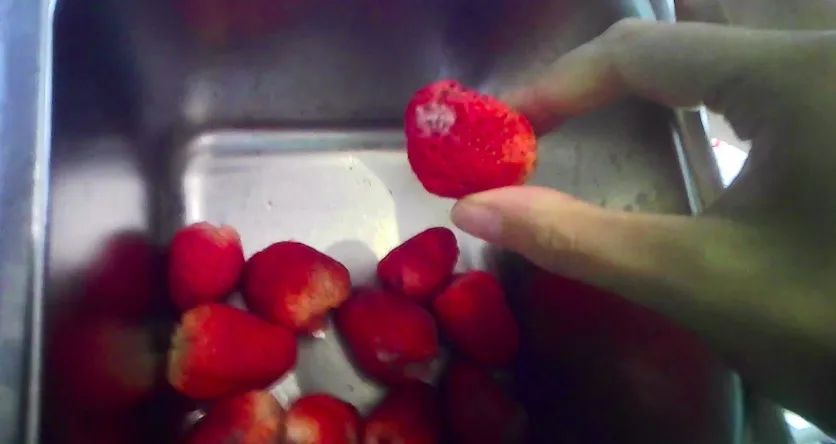
Furthermore, the operations at the Changge Wenhua Road branch were equally shocking. When moldy strawberries were discovered, staff did not dispose of them immediately but washed them and continued using them, claiming "bubble tea shops don’t need such high standards." The next day, strawberries covered in white mold were still found in the fridge, and staff insisted they could still be used. Even more disturbingly, when insects appeared in drinks, employees simply opened the container, removed the bugs, resealed it, and continued selling the product—handling the situation with practiced nonchalance.
Hygiene conditions in the outlet were also riddled with hazards. Flies freely crawled around the spout of the tea brewing container, sometimes landing near the sealer or on the rims of ingredient bottles. Employees prepared fruit without wearing gloves, handling lemon slices with bare hands, and even returned watermelon that had fallen onto dirty sinks or cloths back into storage. Grapes were peeled directly on a rag without washing, with staff claiming "Customers only eat the flesh, no need to wash," showing a blatant disregard for basic hygiene procedures.
Beyond issues with ingredients and handling, the overall hygiene management at the outlet was extremely lax. Tea brewing containers were placed directly on the same cutting board used for fruit, and mobile phones were left on the same surface for personal use. More seriously, some employees worked without valid health certificates, directly handling ingredients and preparing drinks—significantly increasing food safety risks.
After the incident came to light, Yihetang issued an official apology, vowing to immediately shut down the involved outlets and carry out comprehensive rectifications. The brand also pledged to cooperate with regulatory authorities in their investigation and impose penalties on regional management personnel. However, whether these corrective measures can truly rebuild consumer trust remains to be seen.
Legal experts pointed out that these actions clearly violated multiple provisions of China’s Food Safety Law, including Article 33 on hygiene requirements for food production and business premises and facilities, as well as Article 45 regarding health management systems for employees. Allowing staff without health certificates to handle food constitutes a legal violation.
The incident sparked heated online discussions, with some attributing the problems to the generally lax management of franchise outlets, while others argued that the brand itself should bear greater supervisory responsibility. Although Yihetang only collects franchise fees, its failure to effectively oversee daily operations at its outlets makes it equally culpable.
The above content is compiled by CoffeeHunters, a coffee news website.


