







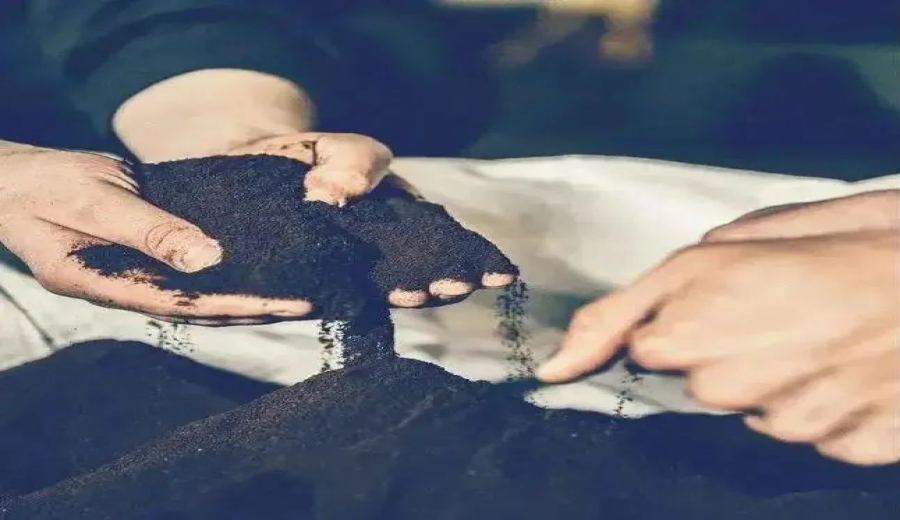
Introduction:Every year, over 8 million tons of coffee grounds are produced globally. Once largely regarded as useless waste, these grounds have now been successfully transformed into biochar fuel through a collaboration between Japanese coffee roasters and Kansai University. This innovative technology not only serves as an alternative to traditional charcoal roasting but also claims to achieve zero carbon dioxide emissions. This article will delve into the principles, production process, and the sustainable transformation this green technology brings to the coffee industry.
Behind every cup of aromatic coffee lies the production of a significant amount of coffee grounds. These residues, which make up a large portion of daily café waste, accumulate to over 8 million tons globally each year. Traditional disposal methods are not only energy-intensive but can also lead to environmental pollution. To tackle this challenge, Japanese coffee roasters have partnered with a research team from Kansai University to develop an innovative solution—biochar fuel made from coffee grounds.
The highlight of this technology is that the carbon dioxide released during combustion can theoretically be fully offset by the amount absorbed by coffee plants during their growth, thereby achieving so-called "zero carbon emissions." This circular model of converting waste into energy opens up new pathways for the sustainable development of the coffee industry.
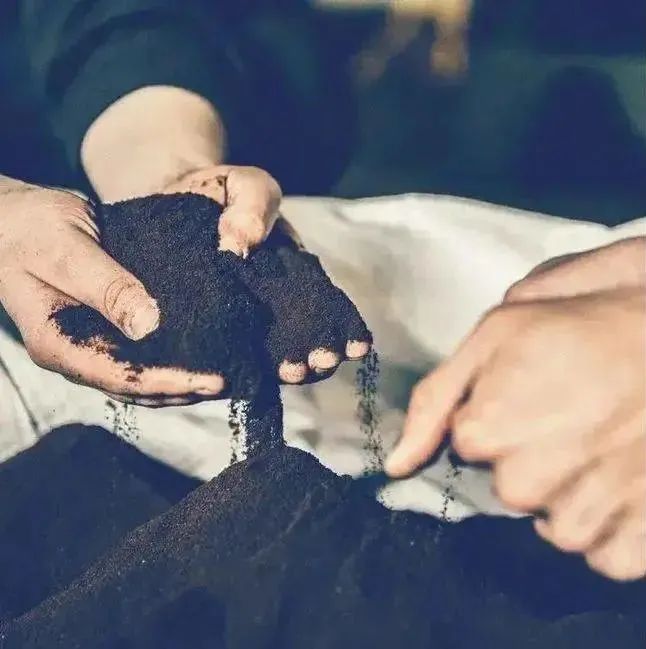
Coffee grounds themselves are rich in fibrous material and, when properly processed, hold high potential for reuse. Over the past decade, researchers worldwide have developed various applications, including blended fuels, eco-friendly building materials, and textile fibers. The breakthrough by Japanese producers lies in further advancing these applications into the core of the coffee roasting process.
Traditional coffee roasting often uses charcoal as the heat source, which can impart a unique smoky flavor to the beans but also brings issues of wood consumption and pollution emissions. In comparison, gas produces more moisture but offers more even heating. The newly developed biochar fuel aims to strike a balance between flavor preservation and environmental benefits.
The key to this technology lies in the production process of biochar (bio-coke). The research team processes organic waste under high temperature and pressure to convert it into high-density fuel. However, pure coffee grounds, due to their high moisture content and limited combustibility, were further mixed with agricultural by-products such as corn stalks and straw to optimize combustion efficiency.
According to the developers, coffee plants naturally absorb carbon dioxide from the atmosphere during their growth. Therefore, when the biochar derived from coffee grounds is burned, the carbon dioxide released is essentially the same amount that the plant absorbed during its life cycle. This concept of "carbon neutrality" forms the scientific basis for the claim of zero carbon emissions.
Notably, this technology not only addresses the carbon emissions issue in the roasting process but also resolves the environmental challenges of post-roast coffee ground disposal. Compared to traditional disposal methods, the use of biochar fuel creates a complete cycle from production to disposal.
Although this innovative technology is still in the phase of practical application and promotion, the sustainable development mindset it demonstrates has provided the global coffee industry with a valuable example for reducing carbon emissions. As the technology matures and costs are optimized, we may see more roasters adopting similar solutions in the future.
The above content is compiled by CoffeeHunters, a coffee news website.


