







Introduction:Have you ever been puzzled by the lack of clear roast level labeling on coffee packaging? In fact, professional roast classifications follow much more precise standards—every number, from Agtron color values to roast stages, corresponds to distinct flavor characteristics. This article delves into eight common roast levels, including their corresponding Agtron values, ideal drop times, typical flavor profiles, and how to choose beans that match your preference for acidity, sweetness, or bitterness. We also provide practical pour over parameters to help you easily find a cup that’s “not sour and still delicious.”
Many coffee enthusiasts often wonder: “Why can’t I find the roast level indicated on some coffee packaging?” In truth, professional roast classifications are far more nuanced than most people assume. Starting with the industry-standard Agtron color value system, this article will take you deep into the eight roast levels from light to dark—including each stage’s characteristics, recommended brewing methods, and how to select beans that best suit your flavor preferences.
When it comes to roast levels, many people immediately think: light roasts are more acidic, dark roasts are more bitter. However, the industry’s classification is actually more professional and detailed, primarily determined by Agtron caramelization analysis color values. This system more accurately reflects the roast degree of coffee beans and thus predicts their flavor direction.
First is the lightest, “Light Roast,” corresponding to an Agtron color value of 95. These coffees are typically dropped just as the first crack is intensively occurring—you can still hear the crackling pops of the beans. Coffee roasted to this level features bright and vibrant acidity, making it ideal for those who enjoy fresh fruity acidity and a favorite choice among many single-origin coffee lovers.
Next is “Cinnamon Roast,” with an Agtron value of 85, usually dropped around the time the first crack is about to end or has just ended. At this stage, the coffee still shows noticeable acidity but begins to develop some sweet aromas. The overall profile is fresh with a slight grainy note, suitable for consumers who prefer subtle and mild flavors.
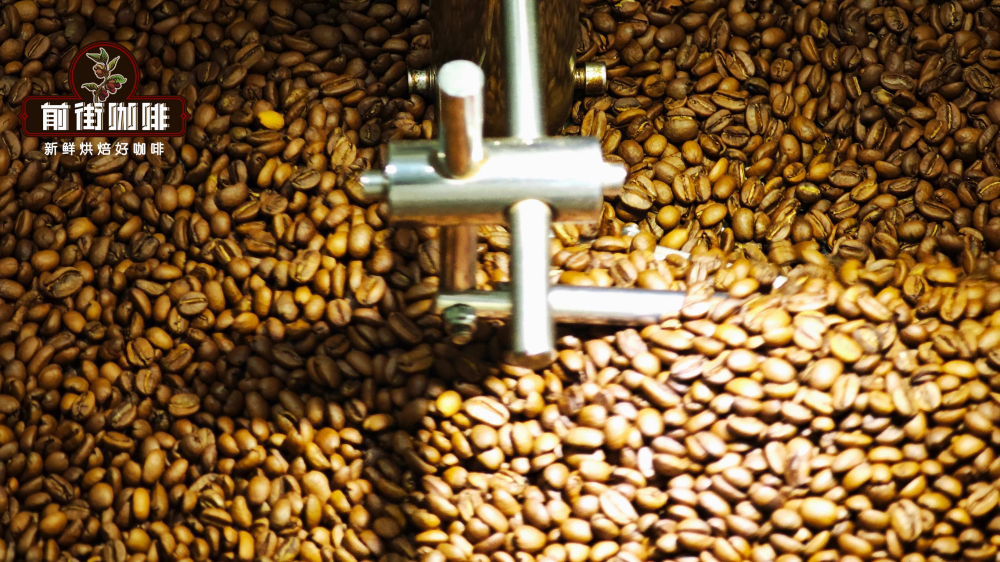
Moving on to “Medium Roast,” with an Agtron value of 75, typically dropped after the first crack has completely finished. At this stage, sweetness begins to dominate while still accompanied by some fruit acidity. It’s one of the most popular roast levels, favored by most pour over enthusiasts and a staple choice for many specialty coffee shops.
Further along is “High Roast,” with an Agtron value of 65, usually dropped during the calm period after the first crack ends and before the second crack begins—roughly one or two minutes later. These coffees feature nutty and caramel notes, with acidity significantly reduced, resulting in a more balanced overall profile, suitable for those who don’t prefer overly acidic tastes.
“City Roast,” with an Agtron value of 55, is dropped at the very beginning of the second crack—the moment when you hear one or two soft popping sounds after a brief quiet period. Bitterness starts to increase at this stage, and caramel aromas become more pronounced. It’s a popular choice for those who want a rich taste without going too deep into the roast spectrum.
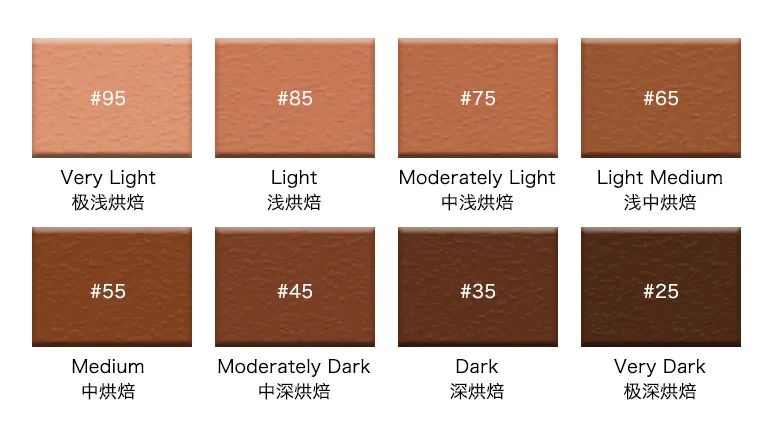
“Full City Roast,” with an Agtron value of 45, is typically dropped just before the second crack becomes dense—before the continuous popping sounds begin. This roast level is already considered relatively deep, with flavors leaning toward smoky bitterness and intensity, suitable for coffee drinkers who prefer bold flavors.
Next is “French Roast,” with an Agtron value of 35, dropped during the dense phase of the second crack. The cracking sounds here are lower in pitch compared to the first crack, and the bean surface begins to show slight oiliness. The flavor is intense, with noticeable smokiness and bitterness.
Finally, there’s “Italian Roast,” with an Agtron value of 25—one of the darkest roast levels. It’s dropped after the second crack ends, with the beans appearing shiny black and covered with visible oils. Commonly used for making espresso.
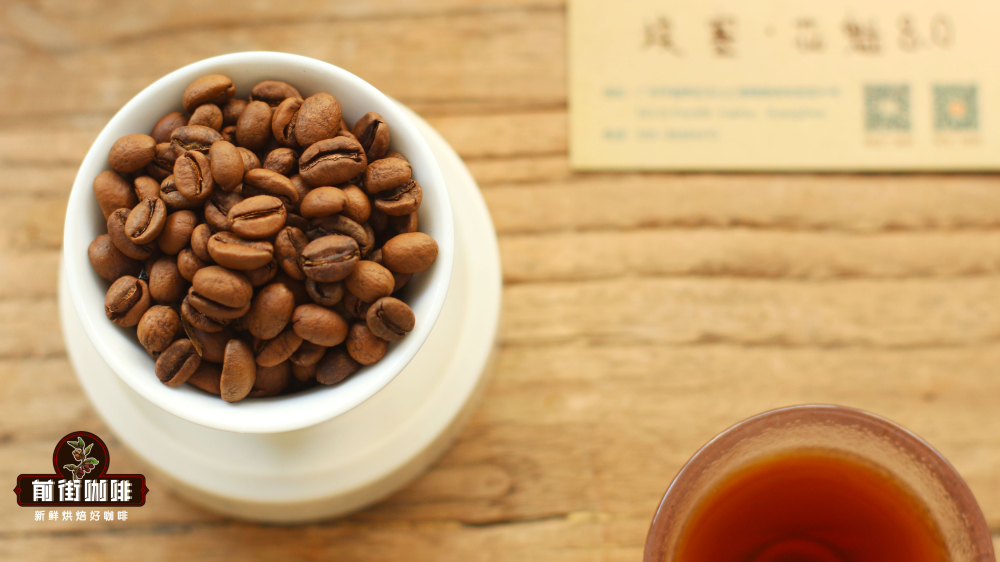
Although this Agtron classification is highly professional, presenting these technical terms and numbers directly to general consumers can actually cause more confusion. Many people only care about “Will this coffee be too acidic?” or “I want coffee that’s not sour—how do I choose?” As a result, some coffee shops adopt a more intuitive classification method: categorizing coffee into medium-light and medium-dark roasts based on the levels of acidity, sweetness, and bitterness. Those with pronounced acidity are labeled as medium-light roasts, while those dominated by bitterness fall under medium-dark roasts, helping consumers more easily choose based on their taste preferences.
For pour over coffee, extraction parameters also vary with different roast levels. For medium-light roasts, it’s recommended to use water at 90–93°C, with a grind size of 75%–80% passing through a #20 sieve. If you prefer flavors with prominent acidity, opt for slightly higher water temperature and finer grind; if you favor sweetness, try lowering the temperature and adjusting to a slightly coarser grind. As for medium-dark roasts, aim for a water temperature of 86–89°C and a grind size of 70%–75% through a #20 sieve. If the flavor leans toward bitterness, you can go with a lower temperature and even coarser grind settings to achieve a more balanced taste profile.
The above content is compiled by CoffeeHunters, a coffee news website.


