








Introduction:During the May Day holiday, Shanghai was rocked by a food safety incident involving the cross-province delivery of over 8,000 cups of HeyTea that arrived the next day. These drinks were sold at inflated prices by group-buying resellers, sparking consumer health concerns and market chaos. This article delves into the incident, exposes the bacterial growth risks caused by delayed delivery and improper storage, and extends the discussion to offer insights for coffee enthusiasts—helping readers make smarter choices when purchasing beverages.
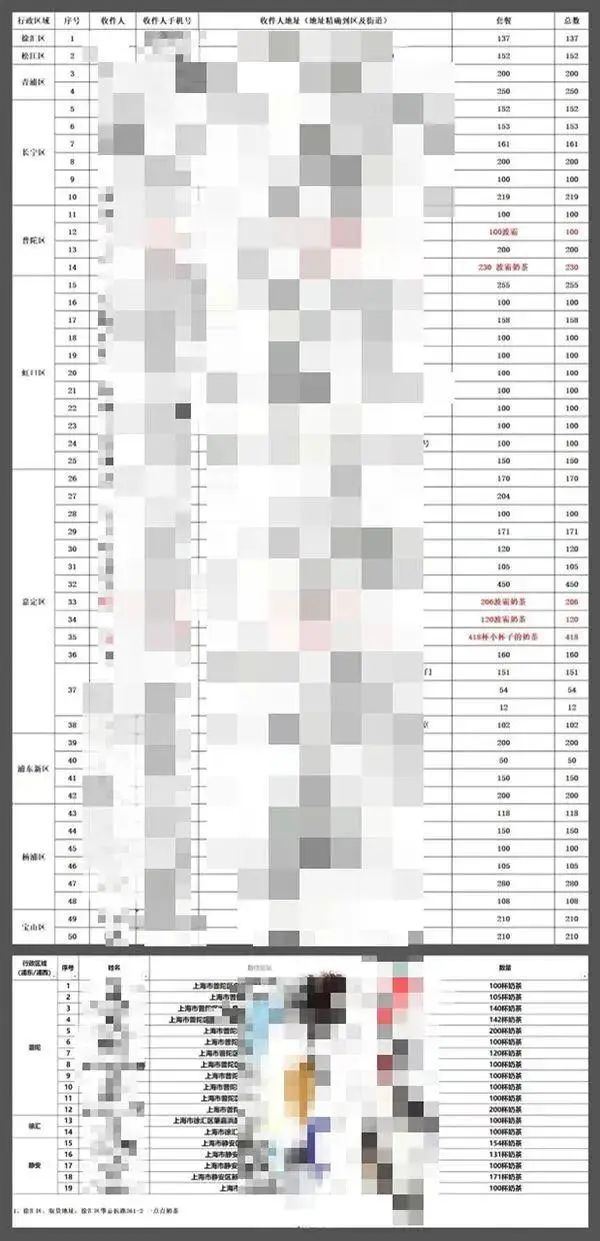
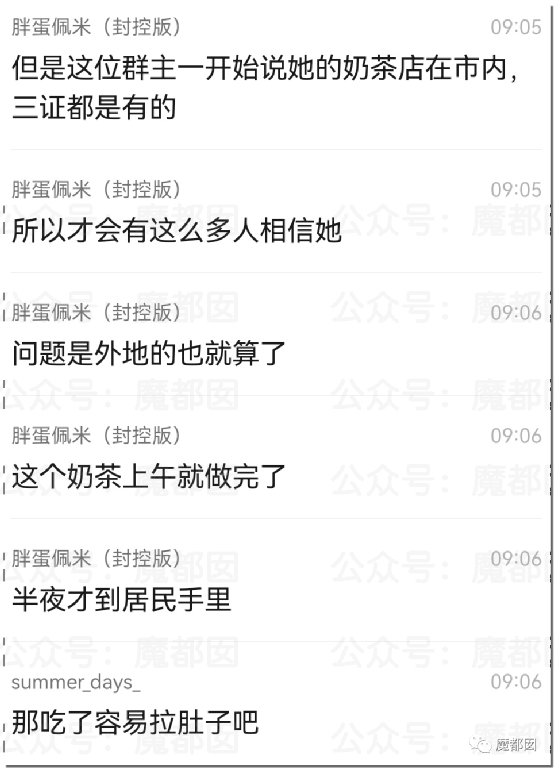
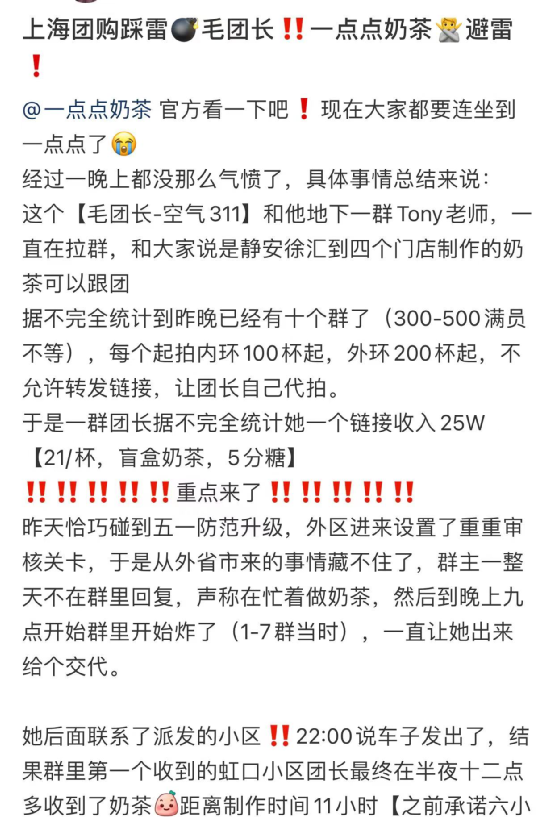
Over the recent May Day holiday, group-purchasing “leaders” in multiple Shanghai communities organized bulk orders of HeyTea, totaling more than 8,000 cups. These drinks were not delivered from local Shanghai outlets but were transported from stores hundreds of kilometers away. Some cups even endured nearly 24 hours of transit, arriving at consumers’ doors late at night or in the early morning. As a result, many customers received their preordered tea in the early hours or late at night, raising doubts about its freshness and safety.
Due to the excessively long transit time, these drinks were left at room temperature. According to past research data:the total bacterial count in milk tea can rise sharply over time.For instance, unopened oat milk with yangmei (waxberry) and mango puree had a total bacterial count of 2,700 CFU/mL after two hours, surged to 81,000 CFU/mL after four hours, and reached 95,000 CFU/mL after six hours—demonstrating that the longer the exposure time, the higher the risk of microbial contamination. This data strongly reminds consumers to pay attention to storage conditions and consumption timing of beverages.
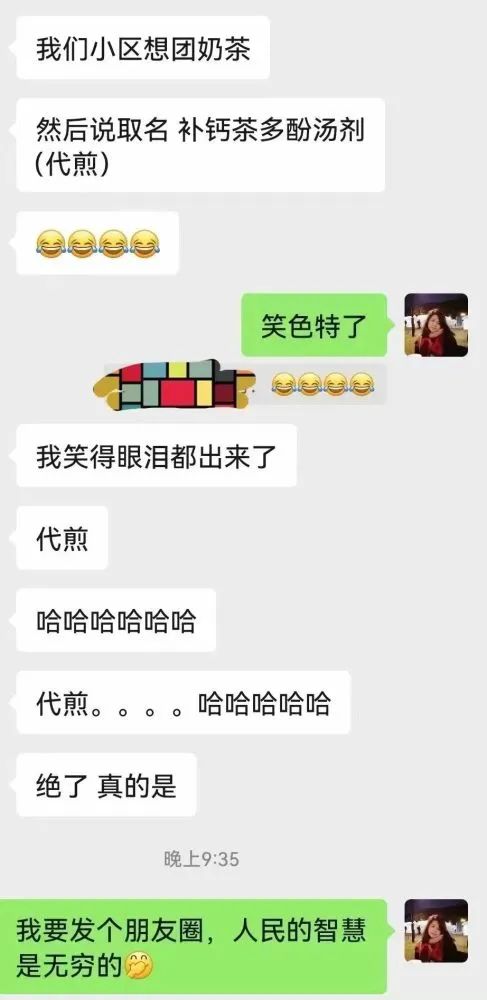
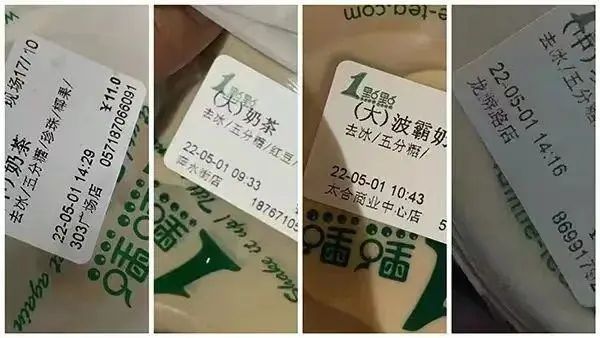
The drinks, originally scheduled for delivery that afternoon, were delayed until 11:30 PM, causing many consumers inconvenience even after receiving them, with some experiencing insomnia or gastrointestinal discomfort due to drinking so late. Even more surprising, these cups didn’t come from local Shanghai stores—many buyers discovered that the production locations on their receipts were cities like Hangzhou, far from what they had understood as “local delivery.”
A 2021 study report by the Shanghai Consumer Council already pointed out that if milk tea is not consumed within the recommended time frame, the associated hygiene risks significantly increase. It advised consumers to pay attention to suggested consumption time limits printed on packaging, such as “Please consume within XX minutes/hours.” However, in this incident, not only were the deliveries late, but some products also did not match the specifications ordered, further fueling dissatisfaction.

The profit margin in this case was also striking. The official retail price of a regular HeyTea drink is around 15 RMB, but through group resale, the price soared to 28–30 RMB—almost double. According to informed netizens, one group “admin” profited approximately 250,000 RMB from this surge. Furthermore, the delivery vehicle was not a professional refrigerated van but a standard Shanghai-registered private car, adding further hygiene concerns to the food transportation process.
After the incident came to light, some “group leaders” quickly disbanded their WeChat groups and faced numerous refund requests. One resident who drank a cup made on the morning of May 1st but delivered on May 2nd experienced symptoms like diarrhea and fever, later diagnosed by a hospital as gastroenteritis—raising further doubts about the freshness of the drinks and the delivery procedures.
On May 3rd, the HeyTea brand issued a statement via its official WeChat account, expressing shock at the reselling at inflated prices and emphasizing that cross-region delivery can lead to improper storage, severely affecting product quality and consumer health. They urged the public to choose formal purchasing channels. However, the identity of the event organizers remains mysterious. Netizens found that the so-called “store manager” had no verifiable record, and some even claimed the organizer was actually a hair salon employee—sparking widespread online discussion.
Although this incident centers on milk tea, the underlying issues of food safety and transport and storage have warning implications for all ready-to-drink products, including coffee. Particularly for enthusiasts of pour-over coffee or specialty coffee, choosing reputable suppliers and proper storage methods is key to ensuring each cup’s flavor and safety.
Experts recommend that coffee beans and ready-to-drink coffee should, as much as possible, avoid prolonged exposure to high temperatures or humid environments during delivery and storage to reduce the risks of flavor loss and bacterial growth. For coffee products that can’t be consumed immediately, packaging with good sealing and refrigeration capabilities should be chosen, and the contents should be consumed as soon as possible after opening.
In summary, this cross-province milk tea delivery incident not only reveals the chaos under special market demand during holiday periods, but also reminds every consumer to prioritize the product’s origin, delivery time, and storage method when selecting beverages—to ensure every sip is both safe and delicious.
The above content is compiled by CoffeeHunters, a coffee news website.


