







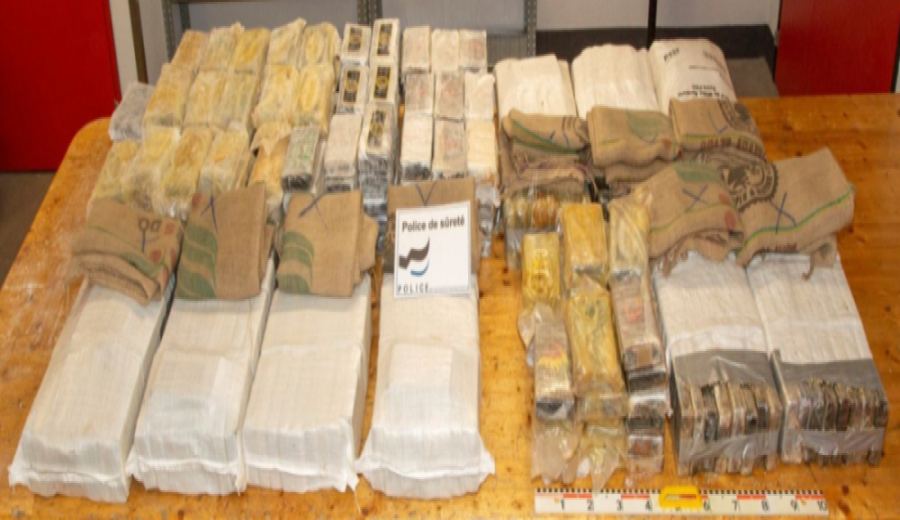
Introduction:During a routine unloading operation at a Nestlé factory in Switzerland, a container of coffee beans from Brazil was unexpectedly found to be hiding over 500 kilograms of high-purity cocaine, with an estimated market value of around 330 million RMB. Police speculate that this was a case of smugglers mistakenly sending the wrong container — a type of smuggling “misdelivery” that occurs frequently at ports around the world. This article details the incident, analyzes how drugs can infiltrate international logistics chains, and provides practical information on identification and prevention.
At Nestlé’s coffee bean processing plant in Romont, Switzerland, an unexpected drug smuggling mix-up has drawn attention. Recently, while unloading a container of coffee beans arriving from Brazil, factory workers were shocked to discover unidentified white powder mixed in with the beans. Local police later determined that the powder was actually80%high-purity cocaine,weighing over500 kilograms, with an estimated market value of up to50 million Swiss francs (approximately 330 million RMB)
. According to Reuters, the incident occurred in early May when a Nestlé employee noticed unusual white powder mixed in with a newly arrived container of coffee beans and immediately alerted management and called the police. Authorities quickly launched an investigation, inspecting each of the five containers of Brazilian coffee beans that had arrived that day. The evidence was eventually collected in a quarantined area to ensure the drugs did not come into contact with any production equipment.
Police initially concluded that the case was most likely the result of smugglers“loading the wrong container”during shipment. Given the massive volume of containers handled daily at international ports — and the fact that some operations take place at night — oversights or incorrect information verification can often lead to drugs being mistakenly sent to unrelated destinations. Notably, the entire search process was carried out within aclosed isolation zoneset up by the factory to strictly prevent any contamination of the production line by the narcotics.
Nestlé subsequently issued an official statement emphasizing: “The coffee beans involved never came into contact with any production processes or products, and the safety of our products remains unaffected.” Although the incident drew consumer attention, experts pointed out that the complexity of modern international logistics means that similar “drug misdelivery” cases are not uncommon and do not reflect issues with production quality.
Similar mix-ups are not rare at ports around the globe. Drug traffickers often bribe port personnel to hide narcotics in legitimate containers for export, but due to the sheer number of containers and the complex working environment, situations of“mistaken identity”frequently occur. In 2021, a similar case took place at Shanghai Port, where a container aboard an international cargo ship was found to be hiding marijuana worth150 million RMB. It was eventually seized by customs and police at Yangshan Port.
The situation at that time was even more complicated — the container had stopped at multiple international ports, and although Interpol had issued an interception alert, the complexity of the logistics chain prevented timely intervention. The Shanghai task force discovered through surveillance that the party who ultimately came to “collect the goods” was actually a chemical company, highlighting the hidden nature of drug smuggling chains and the risk of misdelivery.
This Nestlé factory incident once again highlights security vulnerabilities in the international trade chain.Had the 500 kilograms of high-purity cocainenot been discovered in time, it could have circulated to global markets along with the coffee beans. Although there were online rumors of “drugs being found at a Nestlé factory,” the reality is that employees noticed something unusual during unloading and reported it, after which police completed the identification and seizure within the isolated area.
Experts remind consumers not to panic excessively, as modern food manufacturers all have strict quality control procedures. In this incident, the cocaine never came into contact with any production equipment, and Nestlé has confirmed that its products are completely safe.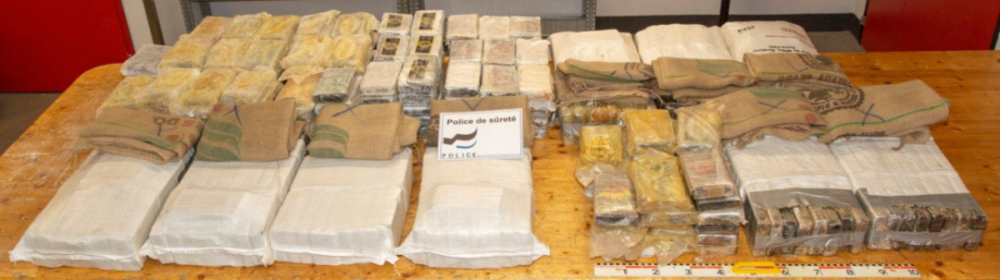 Such mix-up cases also serve as a reminder to the international logistics industry to strengthen container information verification and safety inspections to avoid becoming accidental relay points for drug smuggling.
The above content is compiled by CoffeeHunters, a coffee news website.


