







Introduction:Many coffee packages are labeled “100% Arabica,” but does that guarantee high quality? This article delves into the core differences between the two major coffee species—Arabica and Robusta—and explains the true meaning behind the “100% Arabica” label, which does not necessarily mean specialty coffee. It also introduces two representative branches within the Arabica family: Typica and Bourbon—including their historical origins, plant characteristics, and flavor profiles—to help readers establish a connection between coffee flavors and regional characteristics from the foundation of variety.
When walking through cafés or supermarket shelves, we often see eye-catching labels on packaging that read “100% Arabica coffee beans.” Such messaging often leads consumers to associate it with high quality and elegant flavors. However, the true meaning of “100% Arabica” is merely to guarantee that the product does not contain any Robusta beans, and it does not directly equate to high quality or deliciousness. In fact, this label is primarily used to distinguish products from mainstream commercial beans, where Robusta blends are common. For a comprehensive evaluation of coffee quality, factors such as origin, processing method, roast level, and brewing technique still need to be considered together.
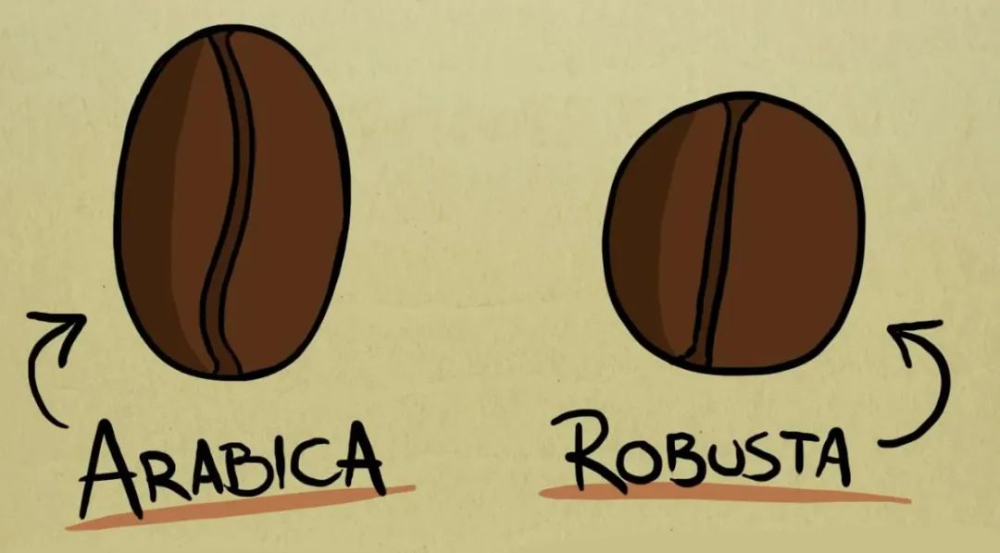
Arabica is a type of small-seeded coffee and is the most widely cultivated coffee variety in the world, accounting for about 70% of the total global supply. Compared to other varieties, Arabica typically offers richer acidity, more layered aromas, and greater complexity, which are the main reasons for its widespread popularity. However, Arabica is extremely particular about its growing environment—it usually needs to be planted at higher altitudes, in cool and stable climates, and its yield per plant is relatively low. It is also susceptible to diseases such as leaf rust, making its cultivation more challenging. Even so, through long-term human selection and cultivation, Arabica has become the cornerstone of the specialty coffee market.
It’s worth noting that while “100% Arabica” ensures there is no Robusta mixed in, Robusta itself is not “bad coffee.” It has a strong, bitter aroma, high caffeine content, and strong disease resistance, and is commonly used in instant coffee or espresso blends to enhance body and crema. Therefore, the “100% Arabica” label alone cannot be the sole criterion for judging whether a coffee is delicious or of a high-end grade.
For most consumers, understanding that “Arabica generally has a more delicate flavor than Robusta” is sufficient for everyday purchasing decisions. But if you want to further explore how variety influences flavor, you can start with two of the most representative branches within Arabica—Typica and Bourbon. These two major lineages not only have a long history but have also deeply influenced the flavor profiles of coffee around the world.

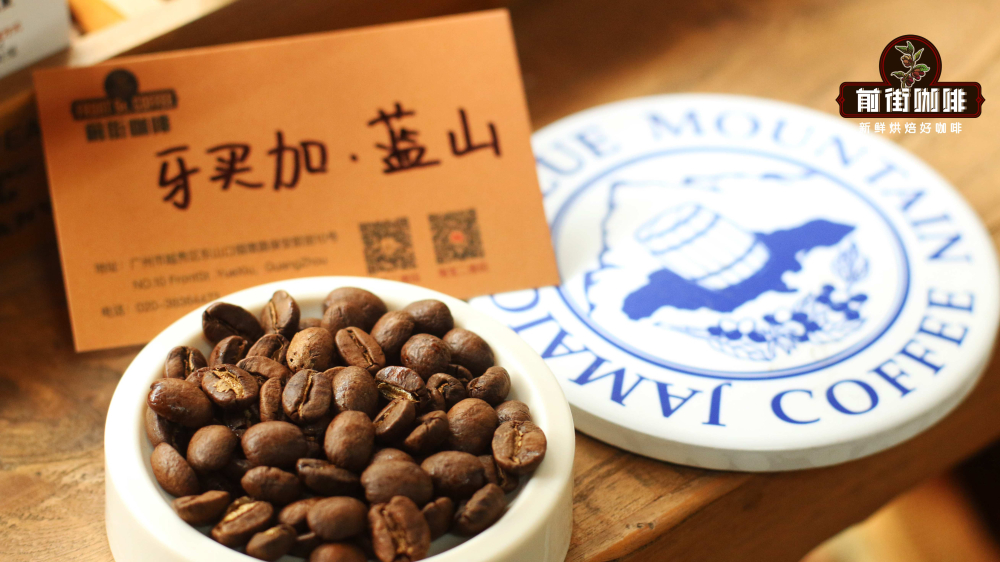
Typica is one of the earliest discovered original Arabica varieties, believed to have originated in the Ethiopian highlands during the 15th to 16th centuries. Its physical characteristics are distinctive—the top leaves exhibit a unique bronze color, and the green beans are typically slender or slightly pointed at the tip. Typica is known for its elegant acidity, floral notes, and citrus tones, but it grows slowly, is prone to disease (especially leaf rust), and has relatively low yields, which led to its gradual replacement by other more disease-resistant varieties. Nevertheless, some highly representative classic regions still preserve this variety. For example, the world-renowned Jamaican Blue Mountain coffee was developed over time through the long-term domestication of the Typica variety in a unique island environment.
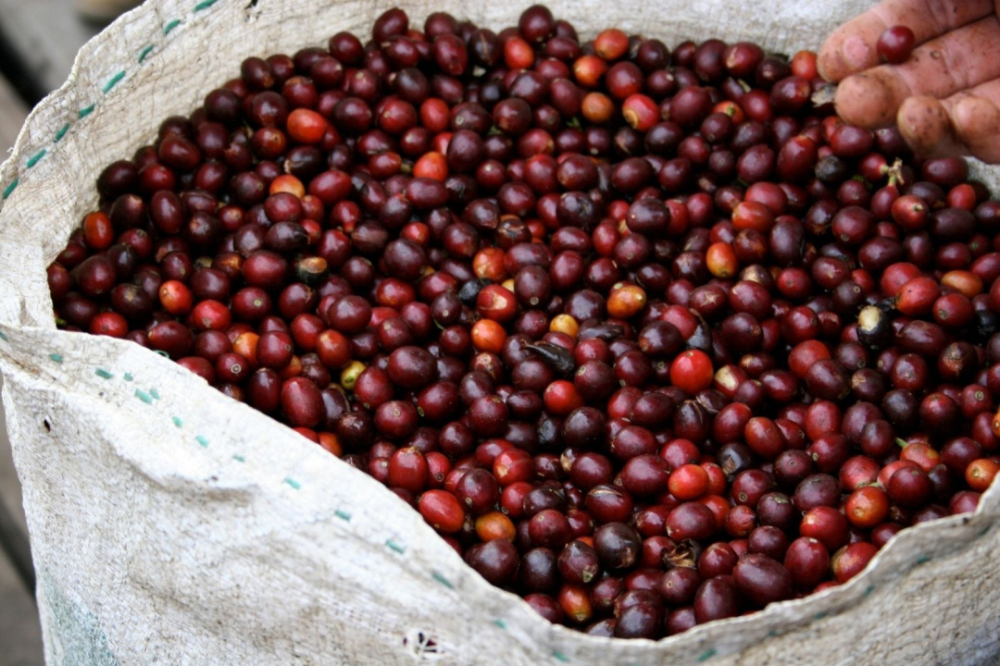
The Typica grown in the Blue Mountain region, having adapted over time to high altitudes and a unique microclimate, not only shows improved disease resistance but also exhibits an exceptionally balanced and refined flavor profile. In terms of roasting, medium to dark roasts are commonly used to fully bring out the distinctive chocolate and nutty base of Blue Mountain Typica, while preserving its gentle fruit acidity and natural sweetness. This results in a smooth and well-layered overall flavor profile. This example also illustrates that even within the same Typica variety, regional microclimates and post-harvest processing can greatly influence the final flavor direction.
Another important branch of Arabica is Bourbon, which naturally mutated from Typica and first appeared on the island of Bourbon (now Réunion) off the eastern coast of Africa. Compared to Typica, Bourbon beans are rounder and fuller in shape, the plants yield about 20% to 30% more, and they are relatively more adaptable to different growing environments. In 1715, France introduced round-seeded beans from Yemen’s Mocha to the island of Bourbon, and the variety was later brought to Brazil in 1727, marking the beginning of an important chapter in the development of coffee in Central and South America.
Bourbons typically exhibit a richer sweetness and body, with relatively mild acidity, and can present a wide range of flavor profiles depending on different microclimates and post-processing methods. For example, Red Bourbon grown in certain regions of Brazil, when processed using the honey method, often displays prominent notes of nuts and dark chocolate, paired with a medium level of caramel sweetness. The mouthfeel is smooth, and the aftertaste is clean. Such beans are often chosen as entry-level daily drinkers, helping to establish a basic understanding of regional flavor profiles and further exploring a wider variety of coffee types.
The above content is compiled by CoffeeHunters, a coffee news website.


