







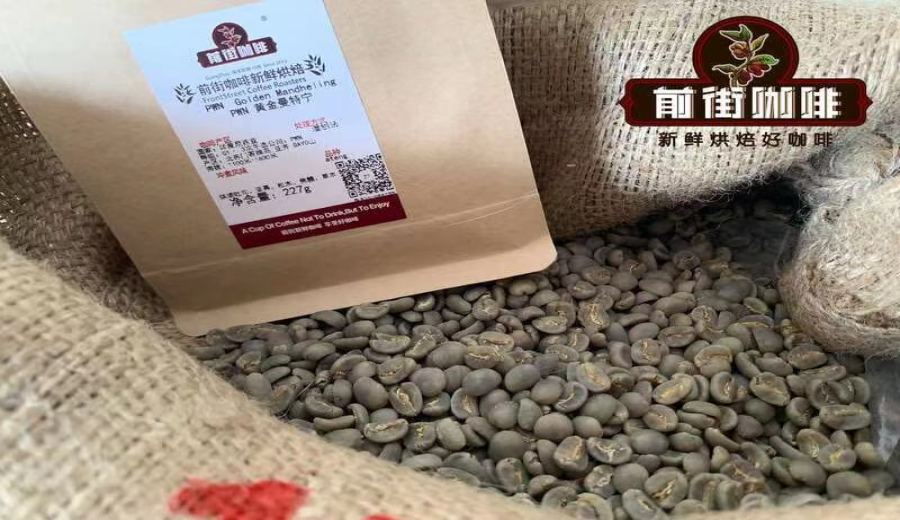
Introduction:There is a wide variety of coffee beans on the market, with significant differences in price and specifications, often leaving beginners unsure of how to choose. This article will explain single-origin coffee beans, espresso beans (including SOE and blends), as well as their suitable brewing methods, helping you select the most appropriate coffee beans based on your brewing needs and budget. It also compares different regions and roast profiles to give you a better understanding of each bean’s characteristics and recommended usage.
Stepping into the world of coffee beans, from the overwhelming online options to the various packages in physical stores, can often be dazzling for beginners. Prices range from 30 to 300 yuan per 100 grams, with quantities varying from 100 grams to 1 kilogram, not to mention the abundance of technical terms — no wonder many people don’t know where to start. In fact, coffee beans can generally be divided into two main categories: single-origin coffee beans and espresso beans, each suited to different brewing methods and flavor profiles.
First, let’s talk about single-origin coffee beans, also commonly referred to as “specialty coffee beans.” The biggest characteristic of these beans is that they come from a single region, allowing them to showcase the unique terroir of that area, such as altitude, climate, and processing methods. Therefore, the packaging of single-origin beans usually clearly indicates the origin, such as Yirgacheffe, Brazil, Colombia, or Panamanian Geisha. These beans are suitable for filter brewing methods such as pour over, French press, AeroPress, siphon, or cold brew, which can fully bring out their delicate fruity, floral, or citrus notes.
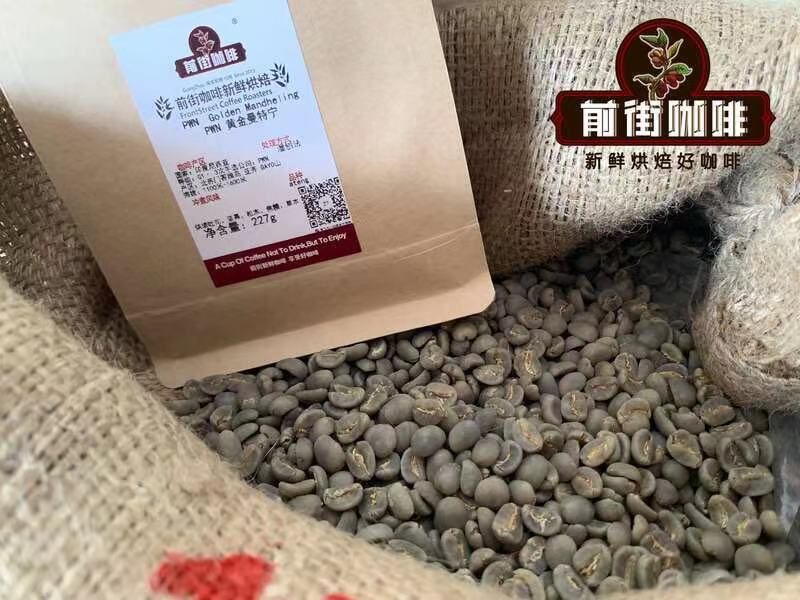
For beginners who have just started exploring pour over coffee, choosing single-origin beans is a great entry point. It is recommended to select based on the flavor descriptions on the packaging. For example, if you prefer bright acidity and floral notes, you might consider beans from the Ethiopian region; if you prefer a fuller body with lower acidity, you could opt for coffee beans from Brazil or Indonesia. Generally, single-origin beans come in packages of 250 grams or less, making them ideal for personal enjoyment and trying new flavors.
The other major category is espresso beans specifically designed for use in espresso machines. The most obvious characteristic of these beans is their darker roast level, typically ranging from medium-dark to dark roast, to suit the high-temperature, high-pressure extraction environment. As a result, many beans that originally have single-origin flavor profiles may not perform at their best when used directly in an espresso machine, and may even easily become over-extracted or develop off-flavors. Therefore, most espresso beans on the market come in the form of blends or SOEs.
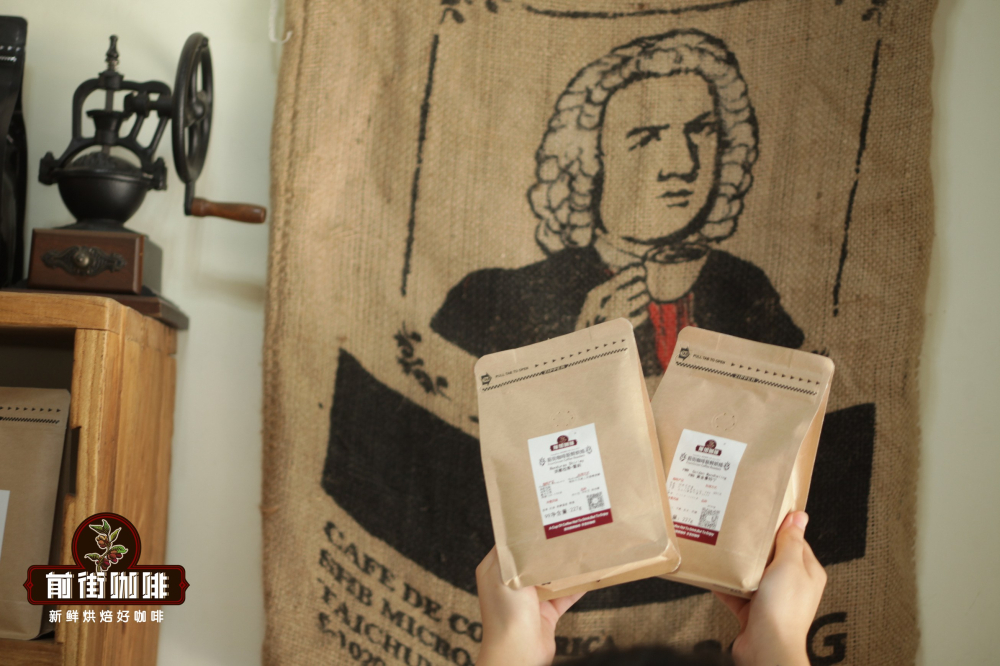
Let’s first introduce SOE, or Single Origin Espresso, which can be translated as “single-origin espresso beans” in Chinese. The difference between it and regular single-origin coffee beans lies in the roast level — although they also come from a single origin, SOEs are typically roasted darker to meet the extraction requirements of espresso. SOEs still emphasize regional characteristics. For example, a brand’s Red Cherry Yirgacheffe SOE has distinct floral and citrus notes; their Mozart SOE showcases ripe tropical fruits and honey sweetness; if you prefer nuttiness and balanced flavors, their PNG Bird of Paradise is worth trying.
It’s important to note that SOEs are still a niche product on the market. When purchasing, be sure to look for labels marked “SOE” or “suitable for espresso extraction” to avoid mistakenly buying light-roast single-origin beans meant for pour over. Additionally, due to their dark roast characteristics, when using SOEs for pour over, you’ll need to adjust grind size and water temperature to bring out their full potential.
As for espresso blends, they are the most common type of espresso beans on the market. The purpose of blending is mainly to achieve a balance between flavor stability, cost control, and extraction performance, but these three aspects are often difficult to balance simultaneously, forming what is known as the “impossible triangle.” Therefore, different brands or coffee shops will create their own unique blend recipes based on their specific needs.
Taking a common example, a premium espresso blend combines beans from Colombia and Brazil, emphasizing both stability and flavor. Brazilian beans provide a rich, low-acidity base, while Colombian beans add nuttiness and subtle fruitiness, resulting in an overall balanced profile suitable for most specialty coffee shops. If you have a limited budget but still want to enjoy a stable espresso flavor, a Black Cocoa blend is a cost-effective option, made from Yunnan and Brazilian beans, suitable for personal daily consumption or small coffee shops.
Additionally, some blends include a small amount of Robusta beans. For example, a commercial blend contains a small proportion of Vietnamese Robusta, primarily to enhance coffee crema and richness, allowing the espresso to present more complex caramel and chocolate flavors when paired with milk. This makes it suitable for shops focusing on milk-based drinks or for those who prefer bolder flavors.
Finally, if
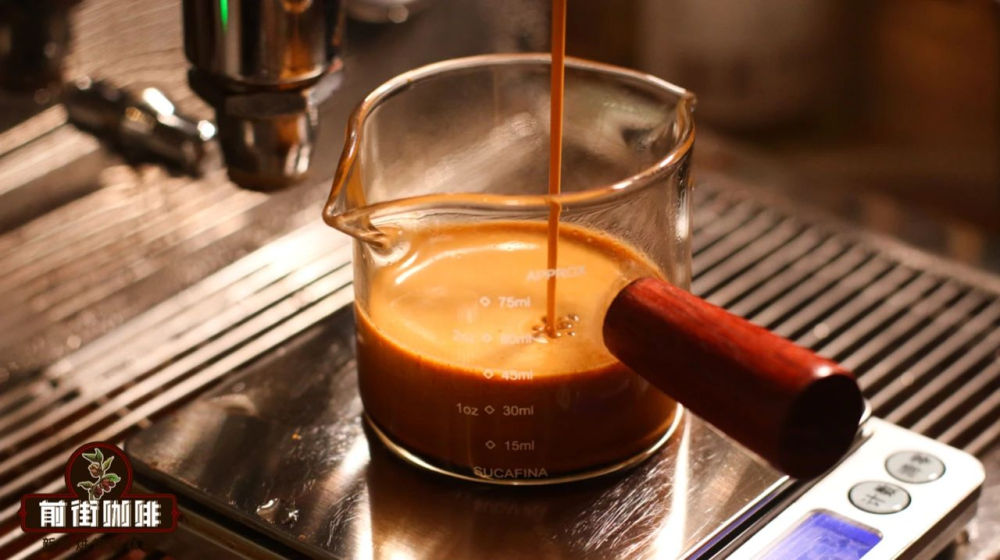
In summary, when choosing coffee beans, it is recommended to first confirm your brewing method—whether you prefer filter-style brewing such as pour over, or using an espresso machine to make espresso or milk-based drinks. If it's the former, single-origin coffee beans are the ideal choice for showcasing delicate flavors; if it's the latter, you can select SOE or blended beans based on your needs, finding the one that suits you best in terms of stable flavor, cost-performance, or unique sweetness.
The above content is compiled by CoffeeHunters, a coffee news website.


