







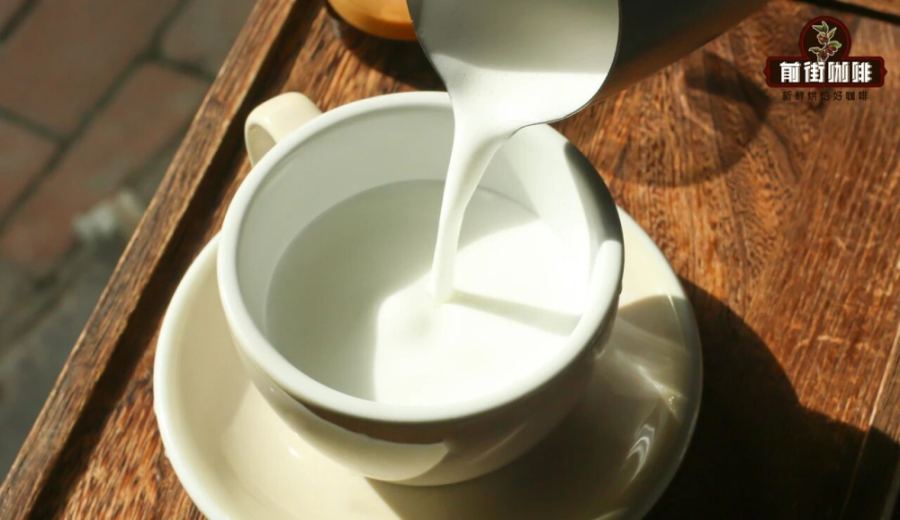
Introduction:The term "macchiato" (Macchiato) originally served as a simple mark used by baristas to distinguish an espresso. Today, however, it is often confused with the sweet and creamy caramel macchiato. This article traces the true origins of the macchiato, analyzes in detail the core differences between it, the caramel macchiato, and a latte in terms of preparation, flavor, and milk-to-espresso ratio, and provides practical advice on bean selection and milk frothing to help you better appreciate every cup of milk coffee.
When mentioning macchiato, many people's first impression may be a chain-store coffee with a sweet caramel aroma and rich milk flavor. But few know that the original macchiato was simply a barista placing a small spoonful of milk foam on top of an espresso as a visual marker to differentiate between "espresso only" and "espresso with a bit of foam," preventing service mistakes.
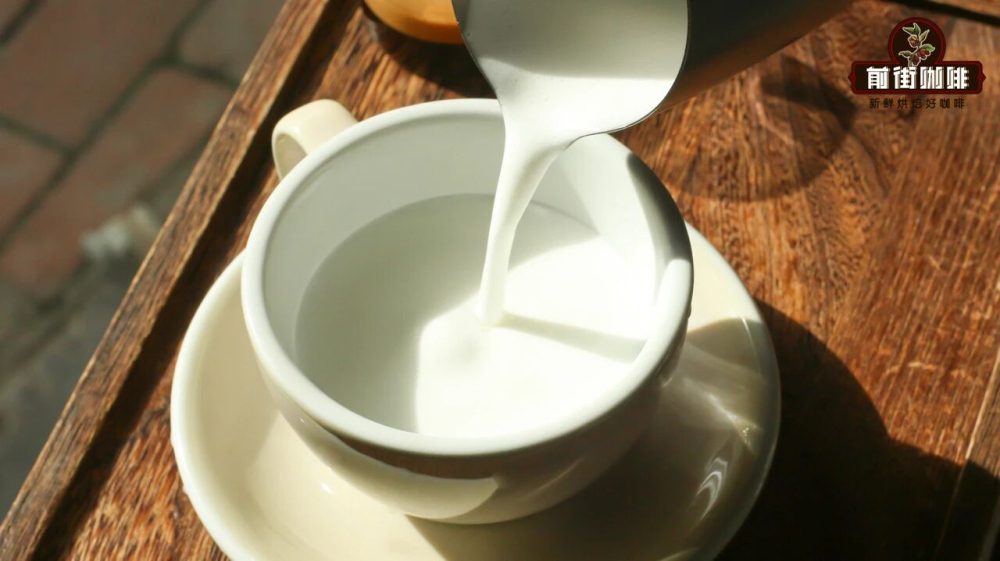
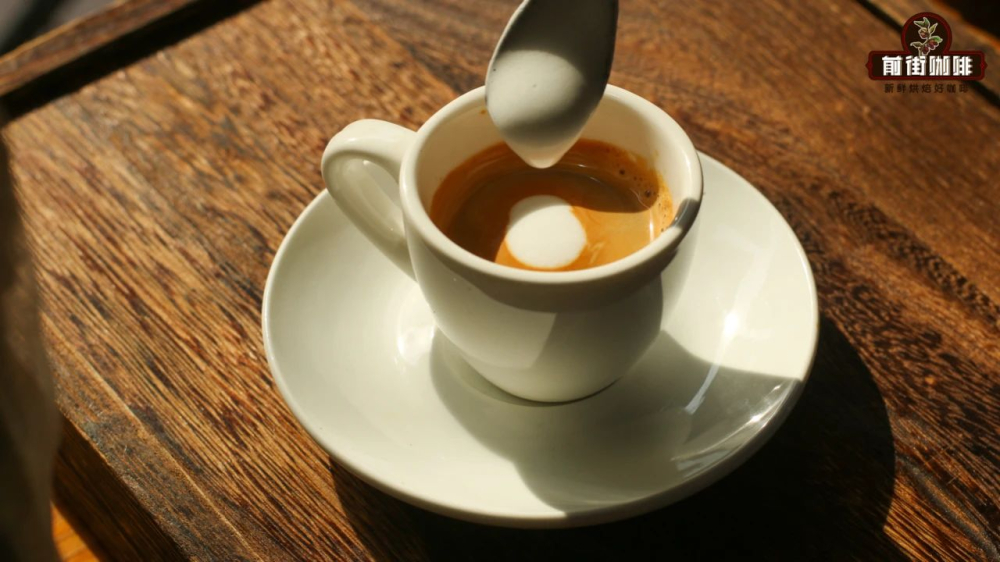
Early macchiatos were purely created for identification purposes. Since the surface of an espresso is covered with a rich layer of coffee crema, it is visually difficult to tell whether a small amount of milk has been added once milk is poured in, which could easily lead to ordering errors. Therefore, baristas began marking the surface of an espresso with a small amount of milk foam—leaving a tiny mark—on those with added foam. This espresso with a foam "mark" is the origin of the word macchiato—in Italian, "macchiato" means "mark" or "stain."

Over time, this drink, initially used only for internal distinction, gradually became known to the public, but its original form is rarely seen on modern café menus. It wasn’t until the 1990s, when the caramel-flavored "caramel macchiato" burst onto the scene, that the name "macchiato" re-entered the mainstream. However, this globally popular caramel macchiato has virtually no direct connection to the traditional macchiato in terms of preparation or flavor—it merely borrowed the word "macchiato," which conveys the imagery of a “mark” or “stain,” to create a brand association of a “sweet imprint.”
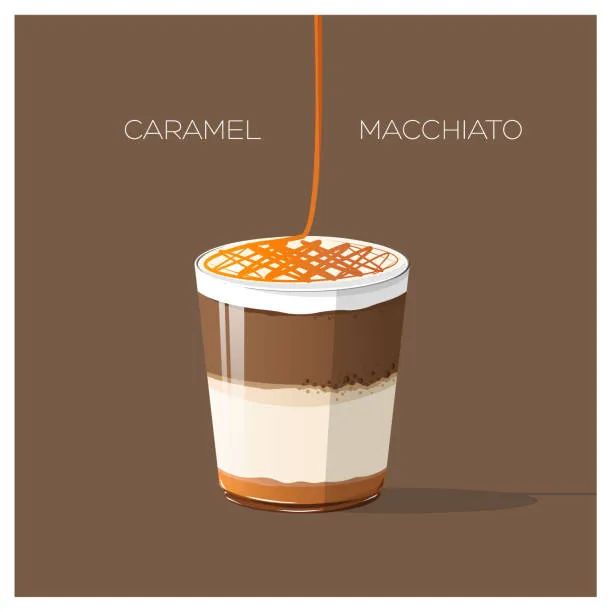
So, what are the core differences among the traditional macchiato, the popular caramel macchiato, and the widely loved latte? First, let’s look at how they’re made: A classic macchiato typically consists of a standard shot of espresso (about 30 ml) with one to two teaspoons of fine milk foam gently added on top—**the overall liquid volume is low, with foam as the main component**—resulting in a taste closer to espresso, but with a hint of milk aroma. The caramel macchiato, on the other hand, is built upon an espresso base with a large amount of steamed milk and foam, topped with caramel syrup, offering a rich and sweet layered profile—**with the milk proportion usually far exceeding that of the espresso itself**. Meanwhile, a latte (Caffè Latte) is typically served in a larger cup (approximately 240–360 ml), with **a ratio of espresso to steamed milk of about 1:3 to 1:5**, and a small amount of foam on top. Its overall texture is smooth and velvety, with a balanced fusion of coffee and milk aromas.
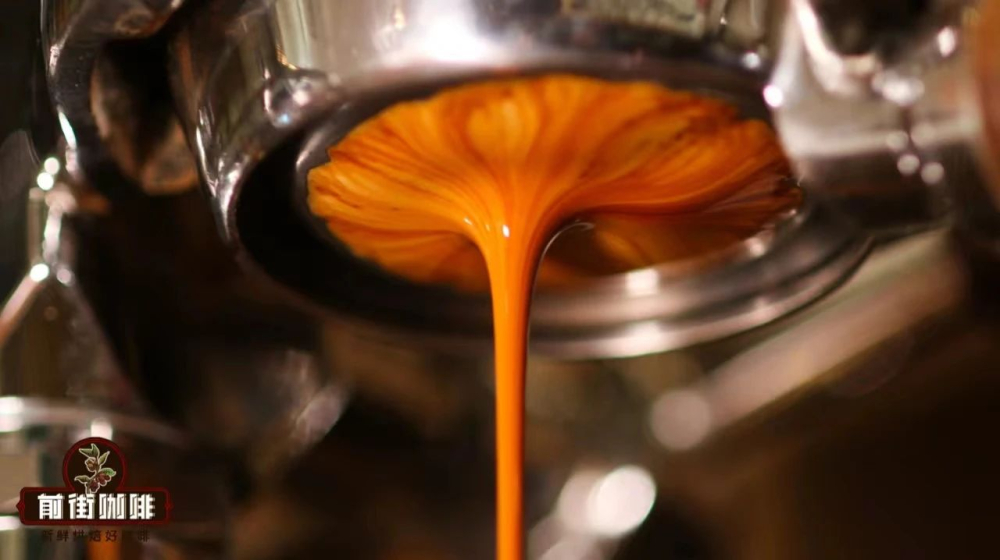
For home enthusiasts looking to recreate a well-balanced and silky-textured macchiato, selecting the right coffee beans and milk is crucial. First, it’s recommended to use **whole fresh milk**, preferably with a fat content of 3.2% or higher. This not only helps produce richer foam and a smoother mouthfeel, but also better highlights the aroma of the coffee. For more professional frothing results, you can heat the milk to **around 60–65°C**, a temperature range that ensures stable foam without overheating and causing flavor loss.
As for coffee beans, it’s advisable to choose medium-to-dark roasted blends that are rich in oils and have a balanced acidity and bitterness. These types of beans provide sufficient crema and aromatic support, allowing even a macchiato with just a touch of foam to exhibit layers of flavor. In addition, if you’d like to try a version closer to the traditional method, consider using a double shot of espresso (either ristretto or a standard shot) as the base, adding just a spoonful of fine foam to experience the most original "marked" coffee flavor.
In summary, the origin of the macchiato was originally a simple marker used by baristas to distinguish drinks, fundamentally different from today’s sweet and heavy caramel macchiato. Whether it’s the purity of the classic macchiato, the sweet layers of the caramel macchiato, or the silky balance of a latte, understanding their differences in preparation, ratios, and flavors allows you to choose the milk coffee that best suits your preferences. Mastering basic techniques such as bean selection, temperature control, and milk frothing can further enable you to recreate café-quality flavor experiences at home.
The above content is compiled by CoffeeHunters, a coffee news website.


