







Introduction:Many coffee enthusiasts wonder: can Americano coffee, which contains no milk, be latte-arted? This article delves into the relationship between the composition of Americano coffee and latte art techniques, analyzes the feasibility of pouring patterns on hot Americano, and details practical steps and precautions. By understanding the interaction principles between milk foam and coffee liquid, you will master the skills to create simple latte-like effects even without fresh milk, as well as gain useful tips for achieving appealing visual presentations.
The basic composition of Americano coffee is a mixture of espresso and hot water, making it a pure black coffee with no dairy added. Since it contains absolutely no milk, traditional latte art — creating designs on the coffee surface using steamed and foamed milk — is almost impossible to achieve on plain Americano. However, by exploring its physical properties and possible alternatives, there are still methods to produce a latte-art-like visual effect on the surface of hot Americano.
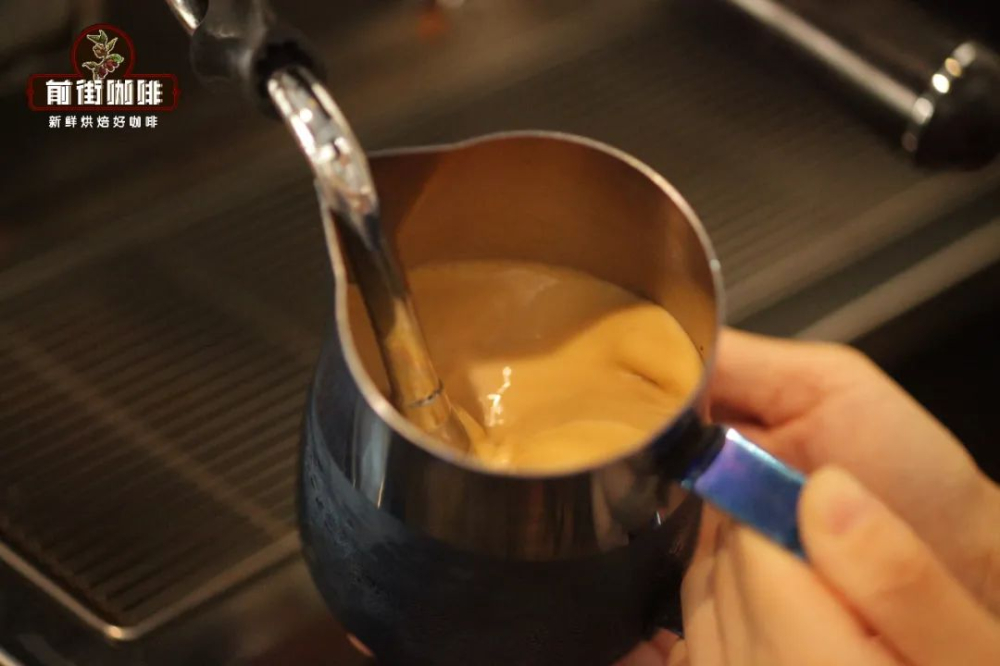
The key to latte art lies in the fine, dense microfoam created by steaming milk under high pressure. This foam has the right viscosity and fluidity to float on the surface of the coffee and, through pouring techniques, form patterns or designs. In contrast, Americano, consisting only of espresso and water, lacks this layer of foam support, making it naturally difficult to apply traditional latte art methods directly.
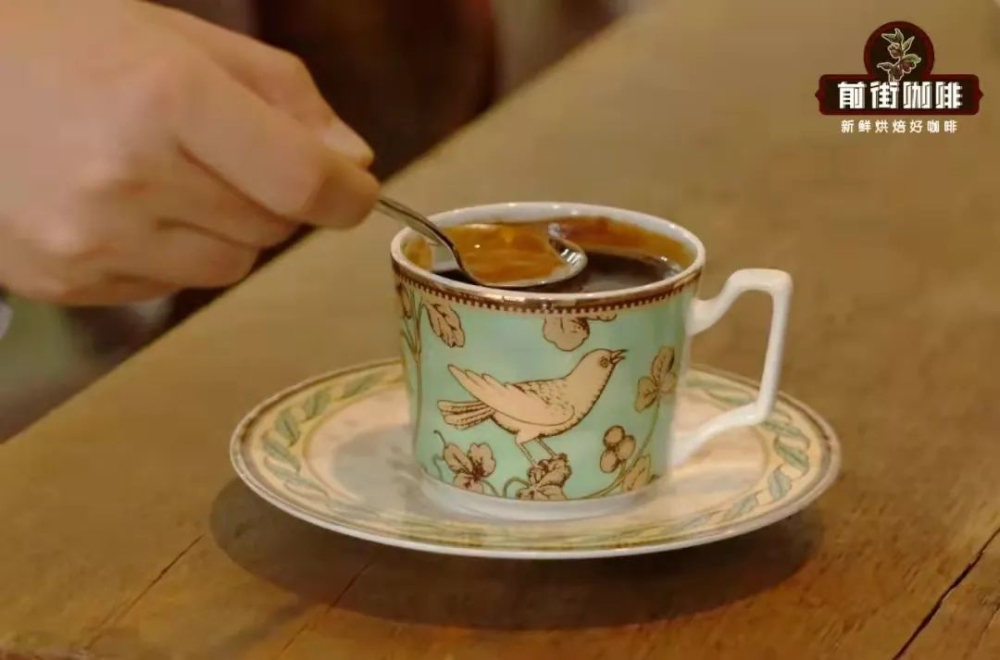
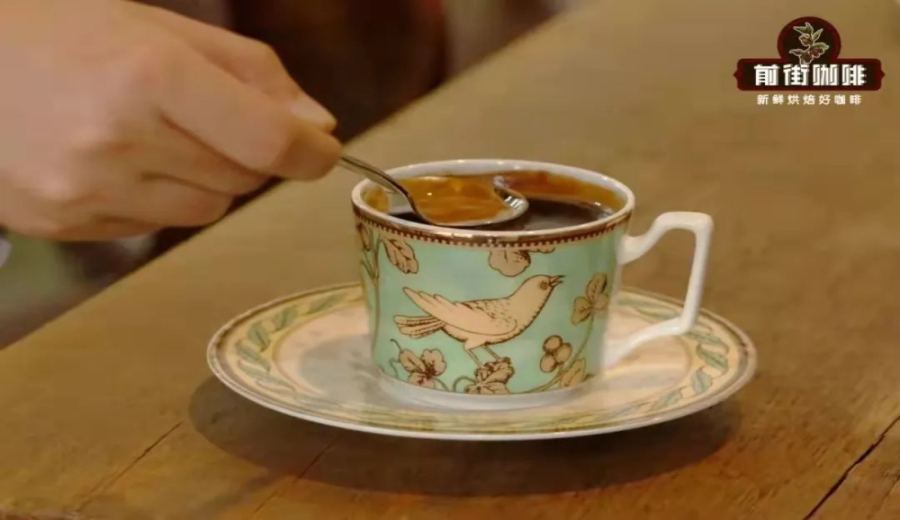
Nevertheless, in some cases, one can attempt a simplified “latte-art-style” decoration on the surface of hot Americano. For example, using an espresso base rich in crema (coffee foam), which itself has a certain level of viscosity and color gradation, can offer some potential for forming simple patterns. Additionally, if a small amount of pre-foamed milk is gently poured onto the surface of the Americano, it may create short-lived and simple white streaks or dots, resembling a minimalist style of latte art.
However, it’s important to note that the duration such alternative patterns remain visible is very limited. Due to the lack of sufficient foam structure to support them, the designs tend to quickly disperse or sink into the coffee liquid. Compared to milk-containing coffees like lattes or cappuccinos, the latte art effect on Americano is noticeably less stable and offers a more simplistic visual layer.
In practical application, if you wish to try hot Americano latte art, it is recommended to use freshly extracted espresso with a rich crema as the base, as this helps enhance the contrast and longevity of the pattern.Temperature controlis also crucial. The optimal drinking temperature for hot Americano generally falls between 60–70°C. Temperatures that are too high may affect the stability of the foam, while temperatures that are too low are not conducive to visual presentation. Moreover, when injecting the foam, maintain a low angle and a slow, steady stream. The motion should be gentle and continuous to allow the small amount of foam to briefly rest on the coffee surface and form a design.
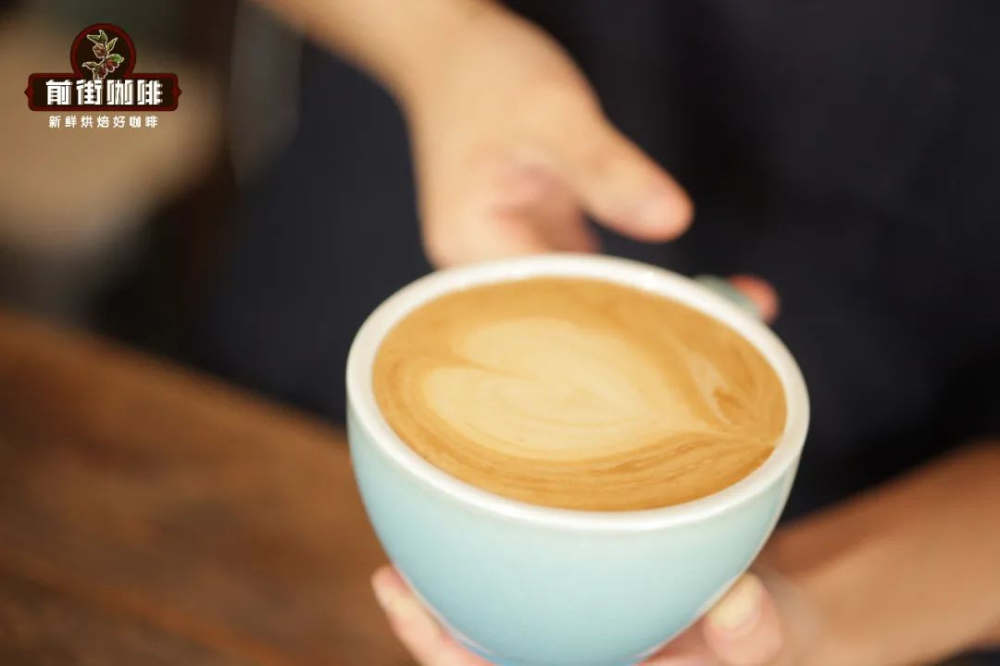
Overall, although Americano coffee cannot present complex and elaborate patterns like traditional latte art due to the absence of milk, by understanding its compositional limitations and the characteristics of foam, you can still employ some small techniques to create a simplified visual effect. For home brewing or creative presentation in coffee shops, such little experiments not only add fun but also help customers make more visual and flavor associations with their coffee.
If you’re interested in taking your coffee latte art skills further, it’s recommended to start by practicing the basics of milk frothing to familiarize yourself with the texture changes and fluidity of milk, then gradually experiment on different coffee bases. In the future, if you aim to tackle more refined latte art pieces, using suitable fresh milk and a professional steam wand will be indispensable.
The above content is compiled by CoffeeHunters, a coffee news website.


