







Introduction:Luckin Coffee experienced a widespread discussion after an erroneous system setting led to abnormally low prices on delivery orders. Consumers rushed to place orders before the company unilaterally canceled them, sparking debates. This article delves into the full story of the incident, examining the legal validity of the contracts and consumer responsibilities, while also explaining possible compensation measures from the platform. It not only helps readers understand the legal boundaries in similar situations but also reminds the public of the ethical and legal lines they should observe when enjoying discounts.
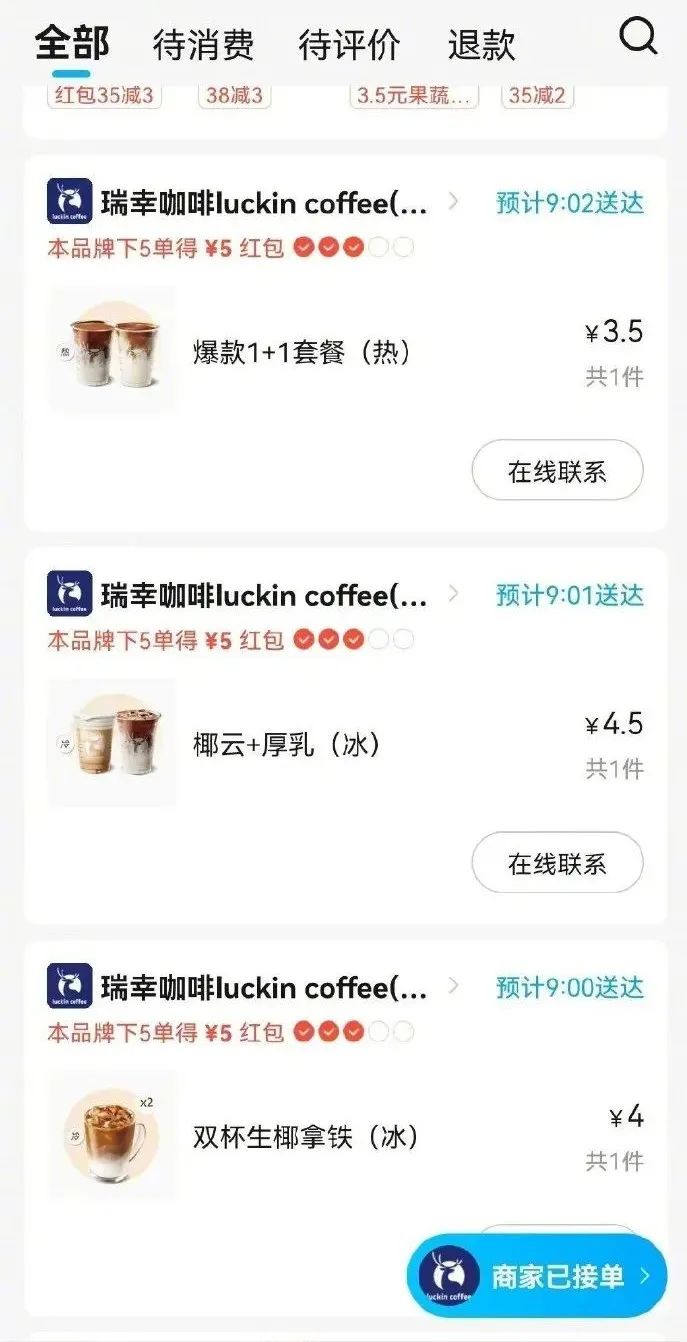
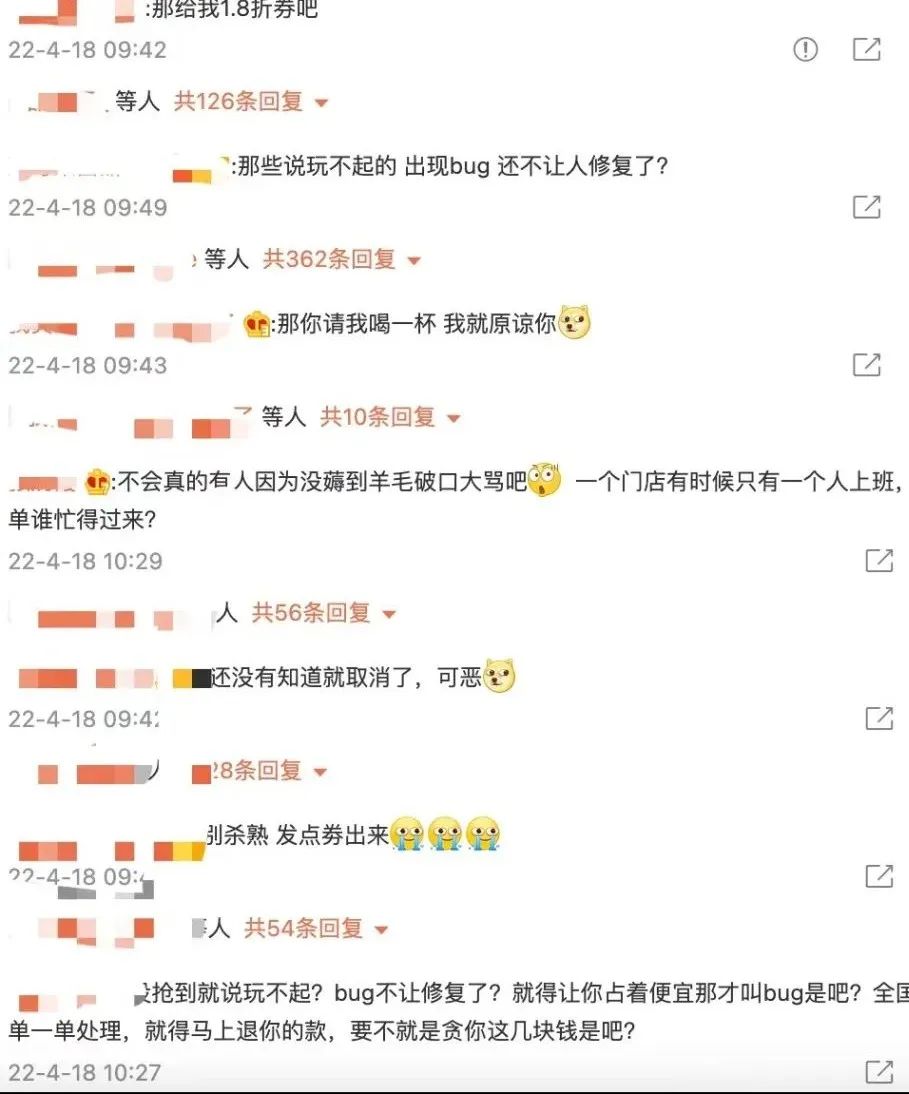
Recently, Luckin Coffee displayed abnormally low prices for certain bundles on its delivery platform due to a system configuration error. Some customers found that drinks were priced as low as less than five yuan, with extreme cases where two cups could be purchased for just one cent. Once this mistake was exposed, a large number of users quickly placed orders hoping to get products at ultra-low prices, only to have their orders unilaterally canceled by the platform shortly afterward, triggering controversy and dissatisfaction.
In this incident, many consumers initially thought the platform was offering limited-time promotions, prompting enthusiastic participation. However, the reality was that the errors were caused by staff misconfigurations or system malfunctions, resulting in abnormal price displays. Subsequently, multiple delivery outlets in various cities suspended order taking and canceled these abnormally low-priced transactions due to a sudden surge in orders, leaving some customers who had already paid unable to receive their goods and experiencing delays in refunds, which led to strong backlash from users.
Regarding this incident, the legal community generally believes that once a consumer completes the ordering and payment process, it essentially constitutes a legally binding contract. The People’s Court News once cited legal experts’ opinions stating that if a merchant cancels an order without any coordination with the consumer, it may constitute a breach of contract, and the consumer has the right to demand contract fulfillment or seek corresponding compensation. However, if the price error is due to obvious human or system mistakes, the merchant may invoke the legal concept of “material misunderstanding” to argue for the cancellation of the transaction.
The so-called “material misunderstanding,” according to Article 19 of the “Interpretation of the Supreme People’s Court on Several Issues Concerning the Application of the General Provisions of the Civil Code of the People’s Republic of China,” refers to a fundamental misapprehension by the actor regarding the nature of the transaction, the object, the quality, specifications, price, or quantity of the goods, such that under normal circumstances, the same decision would not have been made without the error. Under this legal framework, Luckin can argue that due to improper staffing, there was a clear discrepancy in price settings, and thus seek to have the transactions canceled through court or arbitration.
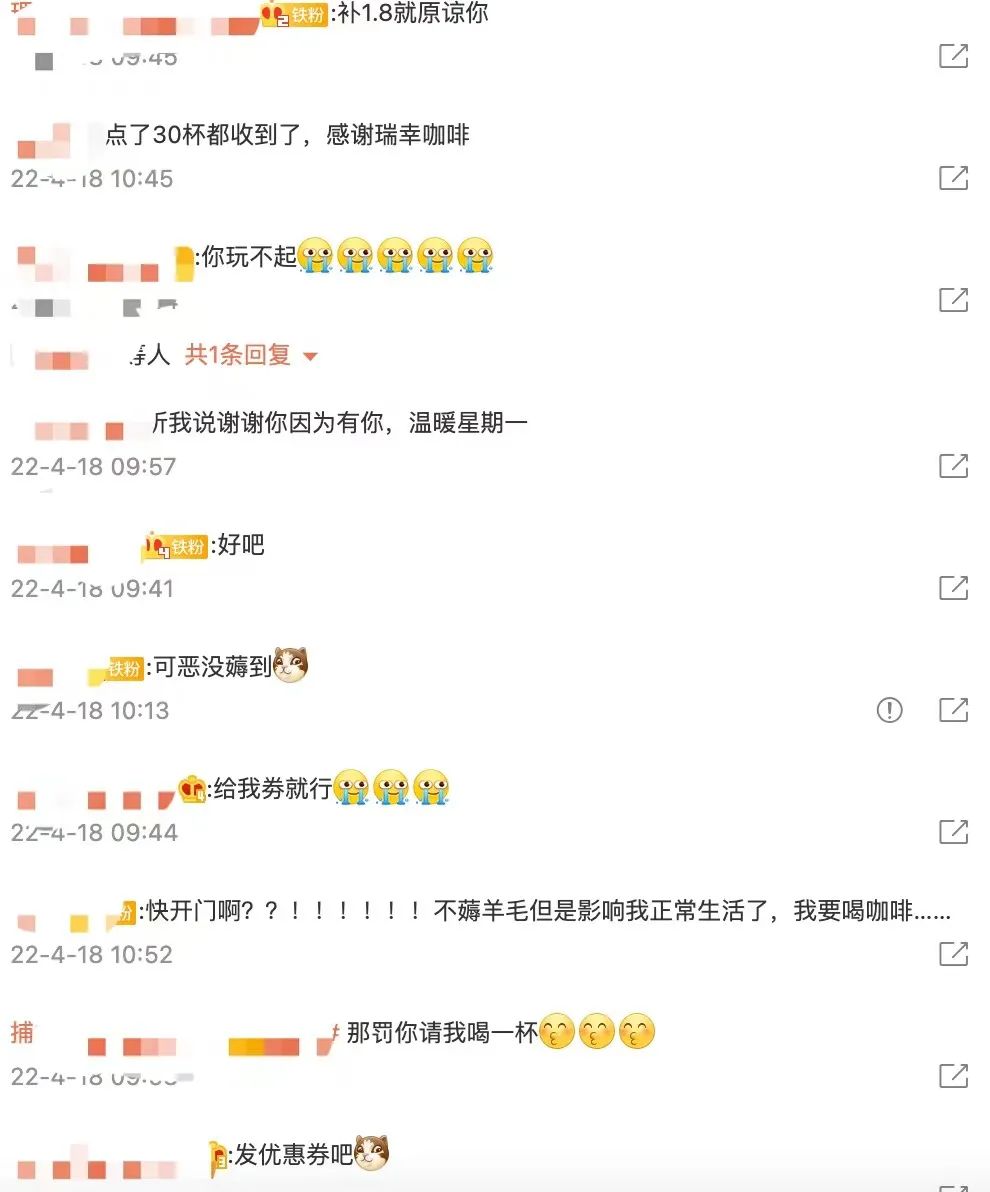
However, to cancel a contract based on “material misunderstanding,” the merchant must go through formal legal procedures, including filing a lawsuit or applying for arbitration, which is often time-consuming and complex. Therefore, Luckin ultimately chose to handle the matter through negotiation with consumers and, shortly after the incident, provided certain compensation to affected customers, such as issuing electronic vouchers worth 32 yuan, in hopes of resolving the dispute and maintaining customer relations.
It is worth noting that if consumers were unaware that the price anomaly was due to a system or human error and simply purchased based on the prices displayed by the platform, their actions are generally not considered illegal under the law. However, if consumers knowingly take advantage of prices significantly deviating from market rates by placing bulk orders for profit, or even exploit system loopholes in so-called “coupon scalping” behavior, they may violate relevant laws and face legal liabilities.
Legal experts remind consumers to remain rational and vigilant when facing unusually attractive offers, and not to cross legal and moral boundaries for short-term gains. Even if some discounts seem enticing, if there is a system error involved, consumers should carefully assess their legality to avoid unnecessary legal disputes arising from momentary greed for small benefits.
In summary, although Luckin Coffee’s order anomaly incident was handled somewhat hastily and communication could have been better, from a legal standpoint, its claims are not entirely unfounded. For general consumers, while understanding their own rights, they should also uphold the principle of honesty and jointly maintain a healthy consumption environment. In the future, if similar situations arise, it is recommended that consumers stay calm and prioritize constructive communication with merchants to reach mutually acceptable solutions.
The above content is compiled by CoffeeHunters, a coffee news website.


