







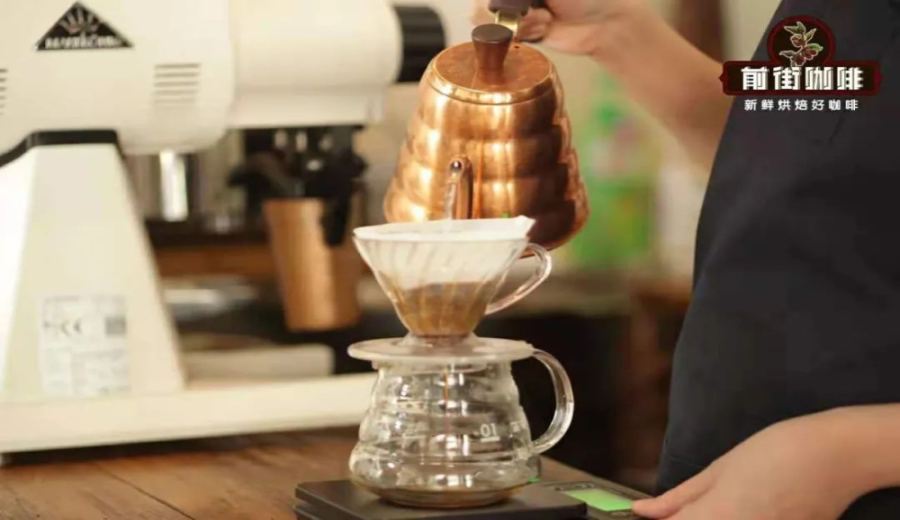
Introduction:Want to master the flavor essence of pour over coffee? This article delves into core extraction techniques such as one-pour, three-pour, and cross-stirring methods, helping you understand the synergistic effects of coffee-to-water ratio, water temperature, grind size, and pouring techniques. From conventional staged pouring to the no-bloom practical application with Hario’s Infinity Dripper, to the stable performance of Kono dripper paired with high-flow three-stage pouring, and finally introducing the unique cross-stirring technique by Taiwanese barista Amis — this guide will help you find your optimal extraction method.
The final flavor of pour over coffee is actually the result of a delicate interplay among four key factors: coffee-to-water ratio, grind size, water temperature, and pouring technique. Slight adjustments to any one parameter can significantly impact the final taste. Generally, most pour over enthusiasts follow the traditional process of first blooming, then proceeding with staged pouring. However, there are also some unconventional extraction methods on the market. For example, a certain brand’s “Infinity” dripper claims it’s possible to skip the bloom and complete extraction in a single pour. Practical tests have found that while this method can deliver extremely high clarity, the extraction yield is relatively low. In addition to detailing mainstream procedures like one-pour and three-pour, this article also shares the complete steps for extracting a medium-dark roast coffee using a Kono dripper with 24 grams of coffee grounds and 88°C water, along with an introduction to the unique cross-stirring method created by renowned Taiwanese barista Amis, to fully grasp the scientific principles and practical value behind these special techniques.
As we’ve discussed earlier, several core parameters influence the flavor performance of pour over coffee, including coffee-to-water ratio, grind fineness, water temperature, and pouring technique. These four elements need to work closely together to fully bring out the potential of the coffee. A change in any one factor can lead to a completely different overall flavor profile — truly a case of a small change having a big impact.
Taking common pour over practices as an example, the coffee-to-water ratio is generally recommended to be set between 1:15 and 1:16; the grind size is slightly finer than typical cupping grind, roughly equivalent to 75-80% extraction through a #20 sieve; for water temperature, light roast beans are advised to use 90-93°C, while dark roast beans are better suited to 86-89°C; as for pouring techniques, common methods include one-pour, three-pour, and three-stage pouring, all of which follow the basic process of first blooming and then subsequent pouring.
These time-tested parameter settings can indeed effectively improve extraction success rates, allowing most users to consistently brew coffee with distinct flavors. However, this does not mean that other non-traditional parameter combinations cannot produce distinctive and delicious coffee.
In standard pour over procedures, the bloom stage is almost considered indispensable. But interestingly, Hario’s “Infinity” dripper, in its official instructions, actually suggests that users can skip the bloom and complete extraction by pouring all the hot water at once. Hearing about this approach for the first time may inevitably cause surprise, or even skepticism about its feasibility.
To verify its effectiveness, a brand conducted a test: using 15 grams of coffee grounds, a coffee-to-water ratio of 1:15, a grind size of 80% extraction through a #20 sieve, and water temperature controlled at 91°C, they performed a single pour on Ethiopian Alsie (light roast) coffee beans. The entire pouring process took 42 seconds, and the total dripping time was 2 minutes and 30 seconds. The final measured data showed a coffee concentration of 1.19% and an extraction yield of 15.66%.
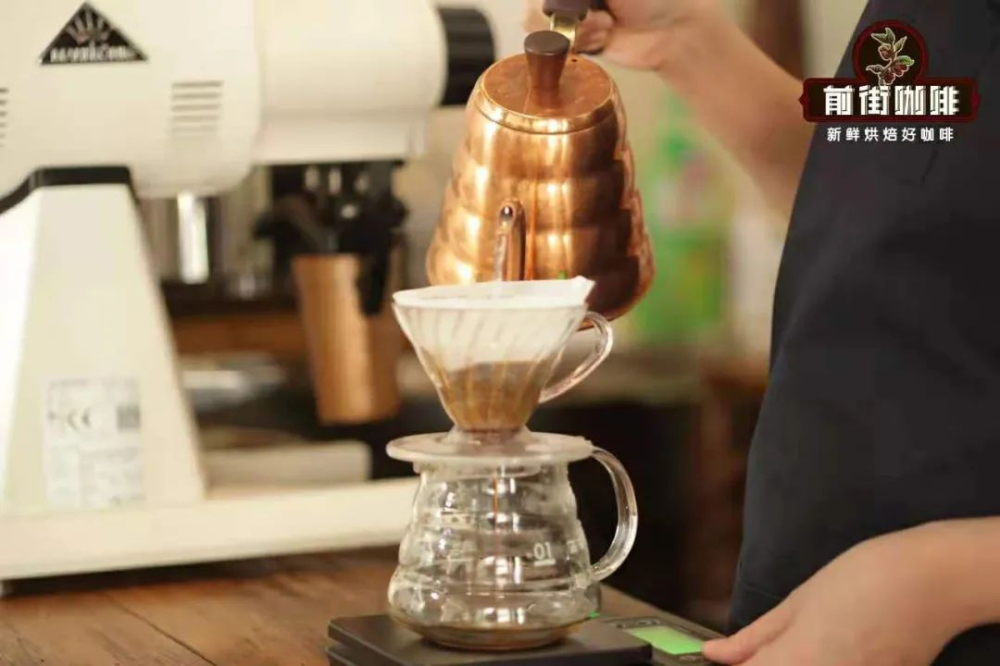
From the data perspective, the coffee’s concentration falls within the ideal range, but the extraction yield is noticeably low (generally 18-22% is considered a better range). However, in actual tasting, this coffee exhibited extremely high clarity, with a clean and refreshing flavor profile, featuring delicate floral and fruity notes. Although compared to conventional pour over methods, its flavor layers were somewhat simpler, the overall mouthfeel was very comfortable, making it a distinctive and enjoyable cup.
This shows that although skipping the bloom does indeed make it harder to extract certain compounds from the coffee, it doesn’t necessarily result in a poor final product. Especially for medium-dark roasted beans, as long as the extraction yield is appropriately increased, it can not only bring out richer aromas and flavors, but also make the bitter characteristics more pronounced.
The brand also shared a practical tip here: by combining no-bloom with a low extraction yield strategy, it’s still possible to achieve a clean, balanced, smooth, and comfortable mouthfeel. This method is particularly suitable for medium-dark roasted beans, and practical tests found it performs especially well with medium-roasted beans, such as traditional washed Colombian beans, honey-processed Costa Rican beans, and beans from Papua New Guinea, which generally have low acidity and low bitterness.
For this practical session, the Kono dripper was chosen, as its design helps enhance the release of coffee aroma. Using 24 grams of coffee grounds — a amount mainly matched to the dripper’s characteristics — the grind size was set to 70% extraction through a #20 sieve, water temperature was maintained at 88°C, and the coffee-to-water ratio was set to 24 grams yielding 240 milliliters of coffee liquid.
The specific operation process is as follows: the first stage involves directly pouring in a circular motion with a high flow rate, quickly raising the liquid level to the top of the dripper. At this point, the liquid surface is mainly composed of larger coffee particles and has not yet formed noticeable foam. The unique design of the Kono dripper means that the higher the liquid level, the more significant the “siphon” effect becomes.
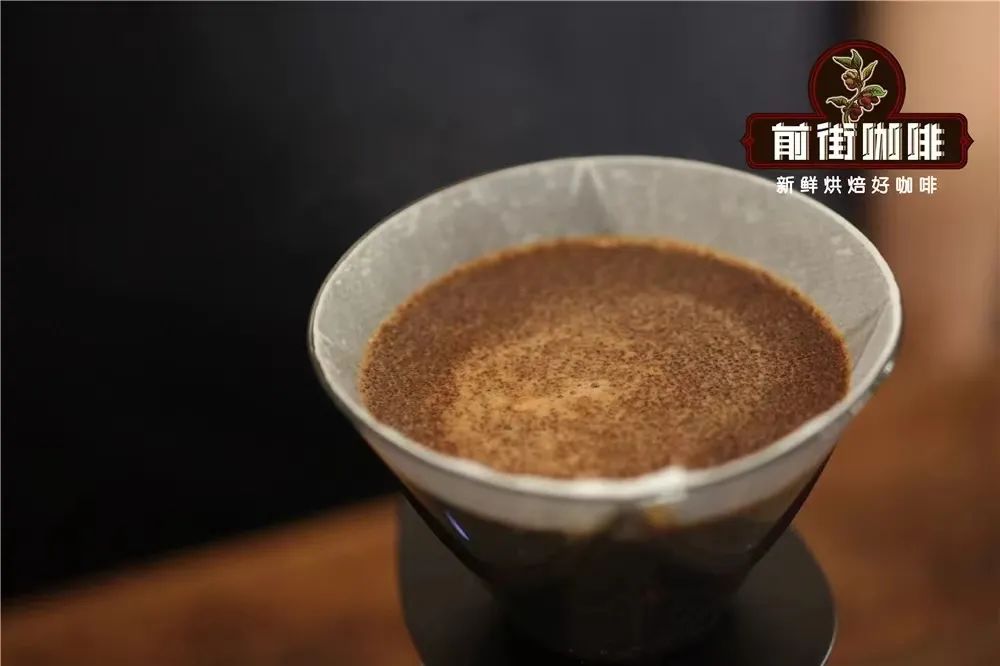
When the liquid level naturally descends and takes on a bowl-like shape, begin the second stage of pouring, again using a high flow rate to raise the liquid level back to its previous height. By this time, the liquid surface has turned into golden foam. When the liquid level descends for the third time and forms a bowl shape again, proceed with the final stage of pouring, maintaining the liquid level with a continuous high flow rate, at which point the foam turns light white. Once the lower container has collected 240 milliliters, the dripper can be removed.
The final measured coffee concentration was 1.3%, falling within a moderate and pleasant range. The calculated extraction yield was 13.57%, which according to the Golden Cup standard is considered significantly under-extracted, but the actual tasting performance was unexpectedly smooth, with a rich mouthfeel and high clarity, featuring distinct caramel flavor characteristics.
Additionally, there is a Taiwanese industry figure known as the “Crazy Barista” — Amis — whose cross-stirring method and the unique extraction logic in his shake iced coffee also hold extremely high reference value. If you’re interested in these advanced techniques, it’s worth delving into their operational principles and practical applications.
In summary, many seemingly “unconventional” pour over methods, though initially appearing illogical, can often uncover unexpected flavor potentials when their underlying extraction logic is understood and verified through practical testing. Most importantly, each technique has its scientific basis and design rationale, and is by no means a random attempt without foundation. Only by truly understanding the interaction between parameters and techniques can one find their optimal performance in the world of pour over.
The above content is compiled by CoffeeHunters, a coffee news website.


