







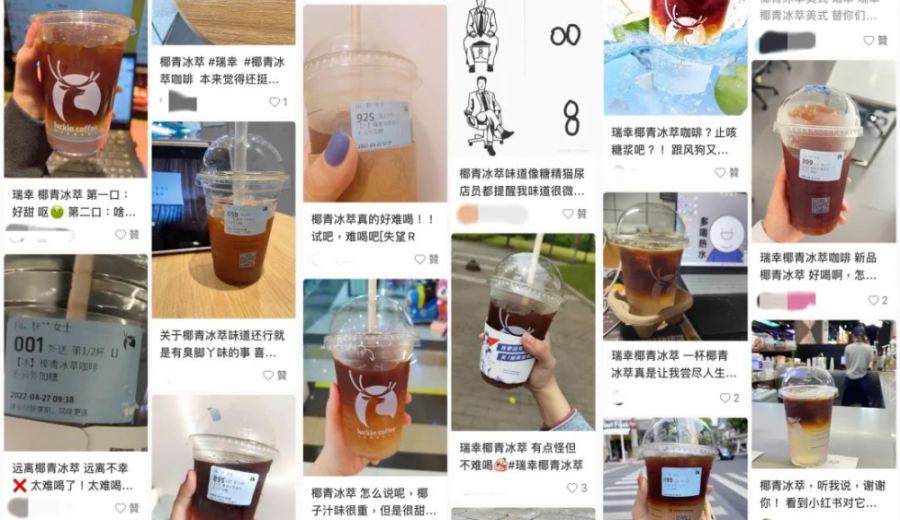
Introduction:Luckin Coffee has recently relaunched several zero-sugar drinks that were popular last year, including Young Coconut Cold Brew and Tangerine Sparkling Americano, sparking widespread discussion in the market. Although the new formulations emphasize low calories and healthiness, many consumers have complained that "the taste has changed drastically," with some even questioning the off-flavors from artificial sweeteners and potential health concerns. This article takes an in-depth look at the product iteration details, real consumer feedback, and cites research from USC to help you understand whether zero-sugar drinks are truly healthier, and how to view the trend of artificial sweeteners rationally.
Luckin Coffee has recently brought back the much-anticipated Young Coconut Cold Brew, and has announced that it will gradually reintroduce several best-selling zero-sugar drinks from last year in May, such as Tangerine Sparkling Americano. While these products are marketed primarily as "sugar-free" and "low-calorie" to attract health-conscious consumers, the new formulations have sparked polarized reactions.
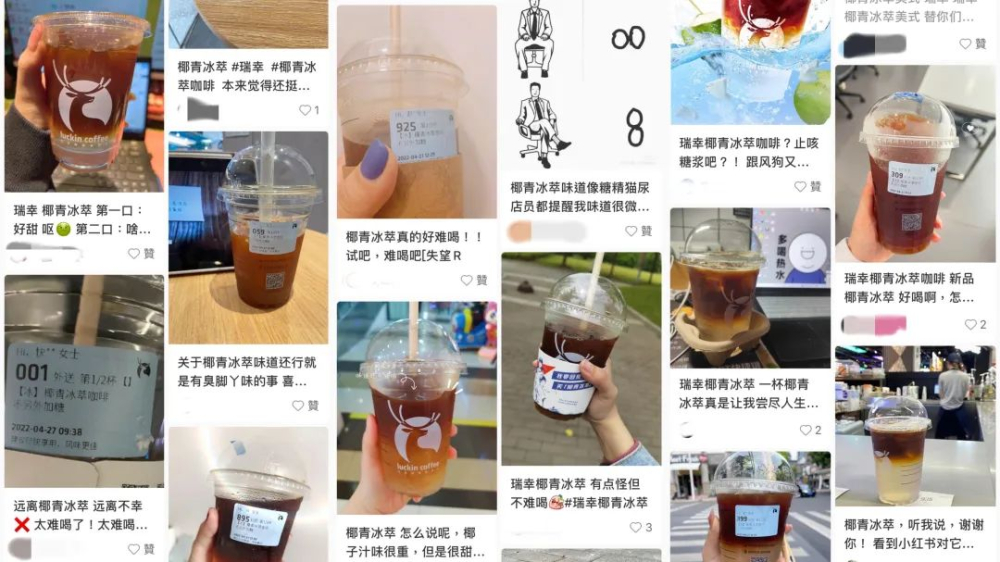
Many customers have said that the new flavors are far from the classic versions they remember, with some describing it as "like reuniting with an old flame who has changed their heart"—not only has the flavor changed significantly, but there is also a noticeable medicinal taste. All of this stems from the brand’s complete switch to non-sucrose sweeteners in the formulation, promoting a healthy image of zero calories and low energy.
The first to return was the Young Coconut Cold Brew, which quietly reappeared on the menu late last month and quickly sparked discussions on social platforms. In addition to changes to the drink itself, the brand also tried to create buzz through a collaboration with the EDG esports team, but the actual collaboration merchandise was limited to specific cities, leaving many fans disappointed.
Subsequently, Luckin announced that it would gradually reintroduce several popular drinks in May, ranging from sparkling beverages to fruit-flavored lattes, to classic Americanos, covering different consumer groups. Among them, the most anticipated is undoubtedly the Tangerine Sparkling Americano, a drink that achieved strong sales in 2021 and is making a comeback this year with a new formulation.
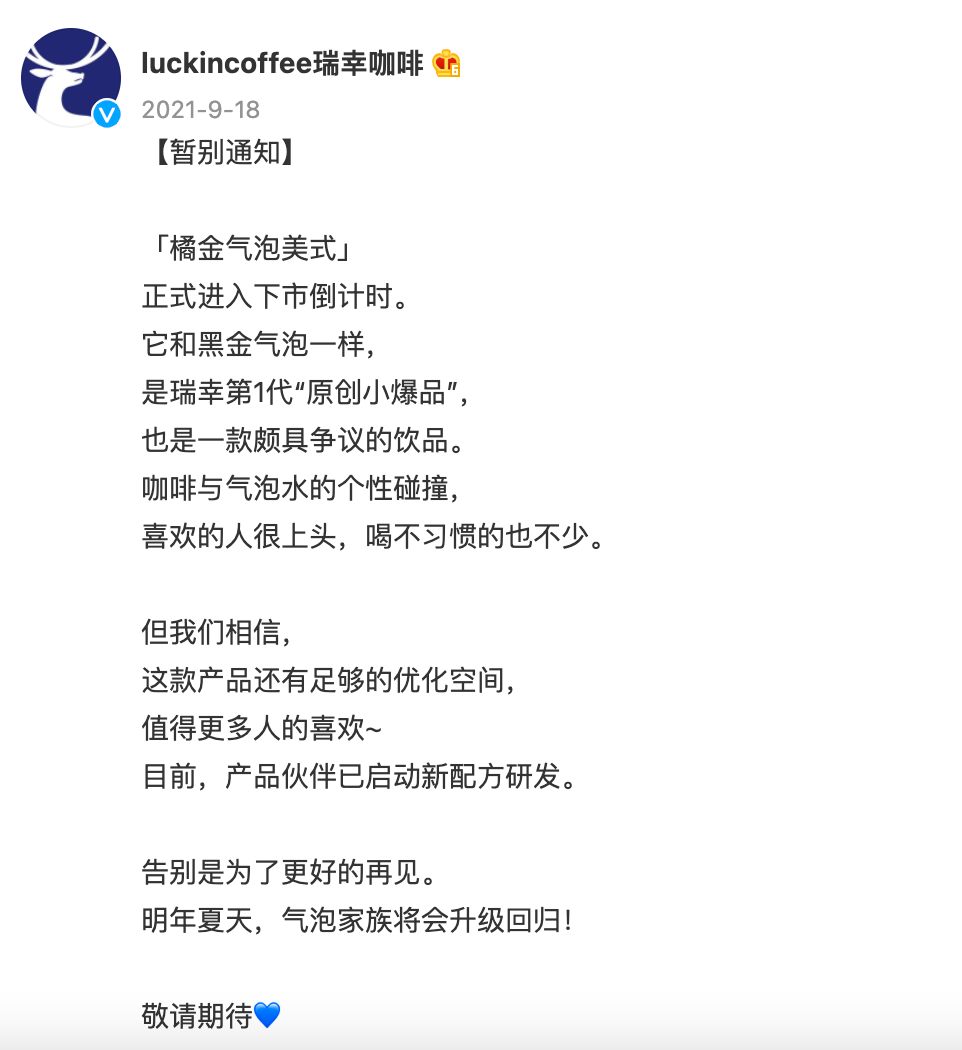
The Tangerine Sparkling Americano was first launched in 2020, when the market response was lukewarm, until it became a hit in 2021 after being endorsed by Li Luduo and undergoing minor formula adjustments. Its standout features are high-carbonated water paired with citrus syrup and espresso, but it has always had divided opinions due to its overly strong carbonation and high sweetness. Last year, the brand took it off the menu after many customers reported that they "couldn’t get used to it," and invested in developing a new formula, which has finally returned this summer.
However, the new version of the Tangerine Sparkling Americano has not received unanimous praise. Consumers generally report that the new formula lacks sufficient acidity, the overall taste is too mild, and the carbonation is no longer as strong. Some even feel like they’re drinking a beverage with a faint beer-like flavor. Additionally, switching to Yirgacheffe cold brew beans has made the coffee aroma less pronounced, while the bitterness is more prominent. With the syrup sweetness reduced, even choosing half-sweet still feels bitter. First-time tasters also mentioned that the drink gives off a strange "sweet medicinal" odor, reminiscent of other brands’ zero-sugar drinks.
To enhance repeat purchase appeal, Luckin has also introduced PET can packaging this time. Although it comes at an additional cost, its gradient visual effect has attracted many consumers who enjoy taking photos and sharing online. However, this type of packaging is not free, and for those seeking the original flavor, it’s more about form over substance.
Looking at the return of these two popular drinks, Luckin has chosen to use non-sucrose sweeteners in both, claiming to offer zero-calorie or low-calorie options that cater to modern dietary trends of reducing sugar and controlling calories. But many netizens have expressed displeasure, believing that the cheap sweetness from artificial sweeteners actually ruins the overall flavor profile of the drinks, making it hard to accept.
In fact, although labels like zero sugar, zero fat, and low calorie may seem healthier, many drinks have switched to using artificially synthesized sweeteners. These sweeteners may not directly convert into calories, but excessive intake may affect the body’s response to hunger, further influencing eating behavior.
According to a 2022 study published by the University of Southern California in the journal JAMA Network Open, drinks containing artificial sweeteners may affect the appetite of women and obese individuals, thereby increasing food cravings. The study used brain scans, hormone testing, and buffet food intake records to find that these groups experienced a significant drop in satiety-related hormones after consuming artificially sweetened drinks, raising the risk of overeating.
This study reminds us that although zero-sugar drinks may seem like a healthier choice, their potential impact on appetite and metabolism should not be overlooked—especially for certain groups, it may have the opposite effect. When making choices, consumers should not only pay attention to calorie labels but also understand the source of the sweetness and their own body’s reactions, in order to make more comprehensive judgments.
The above content is compiled by CoffeeHunters, a coffee news website.


