








Introduction:Have you ever wondered why coffee smells so fragrant but tastes mostly of just sour, sweet, and bitter? In fact, among the more than 850 aromatic compounds in coffee, most are perceived by smell rather than taste buds. This article clearly explains how orthonasal and retronasal olfaction work, helping you understand why flavors often seem “smellable but not drinkable,” and provides practical tasting tips to help you more fully experience the subtle layers of pour over coffee or any other brewing method.
Many coffee enthusiasts have encountered a similar situation while tasting: you pick up a cup of coffee, and an inviting aroma wafts to your nose, but after taking the first sip, you can only identify sourness, sweetness, and bitterness—the captivating floral, fruity, caramel, or chocolate notes seem to vanish. The secret behind this phenomenon is closely related to a sensory mechanism we often overlook—retronasal olfaction.
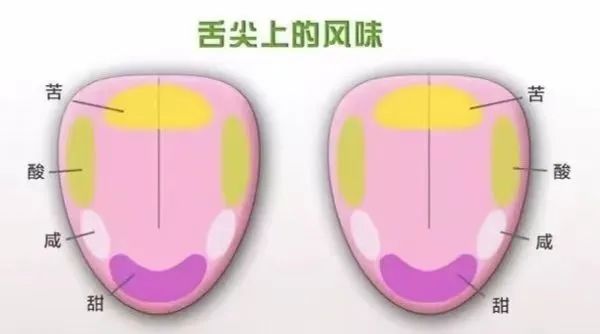
Scientific research indicates that over 850 aromatic compounds have been identified in coffee, the vast majority of which are volatile substances that cannot be captured by the taste buds on the tongue. In other words, relying solely on “drinking” makes it very difficult to perceive the full spectrum of coffee flavors. Only a small portion of compounds, such as water-soluble organic acids like malic acid, citric acid, and lactic acid—which are often mentioned when referring to citrus-like acidity—are detectable by taste. That’s also why citrusy notes are among the more easily “drinkable” coffee flavor profiles.
Additionally, some substances are both water-soluble and volatile, such as acetic acid and certain caramel-like compounds. These can be perceived by the tongue and also identified through the nose. However, even when we engage both taste and orthonasal olfaction, relying solely on direct oral tasting usually allows us to judge only the proportions of sour, sweet, and bitter, without accessing the full flavor picture.

In contrast, the nose can detect a much wider range of aromas, including but not limited to floral, fruity, caramel, chocolate, creamy, woody, burnt, and herbal notes—many of which are key factors that initially attract people to coffee. Generally speaking, the process of bringing your nose close to the cup to smell the dry or wet aroma is called “orthonasal olfaction,” which directly captures the aroma characteristics of freshly ground coffee beans or the moist steam released during brewing.
But beyond orthonasal olfaction, another extremely important yet often overlooked mechanism is “retronasal olfaction.” The nasal cavity and the mouth are actually connected. When we swallow coffee, the volatile components in the liquid evaporate under the action of saliva and rise upward through the nasopharyngeal passage into the nasal cavity, allowing us to perceive more delicate and deeper flavors—such as berry notes, caramel sweetness, or soft woody tones. Many people assume these are tastes “tasted” by the tongue, but in reality, most of this information is transmitted via retronasal olfaction.

This also explains why some coffee lovers can only identify basic sour, sweet, and bitter notes but never manage to “taste” the rich flavor descriptions. The key difference often lies in whether retronasal olfaction is activated. If you also want to more fully experience the multidimensional flavors of coffee, we recommend following the practical tasting steps below.
First, before sipping the coffee, take a light sniff of the wet aroma to sense the characteristics of the fragrance released right after brewing. Then, take a small sip and let it linger in your mouth, using your tongue to perceive acidity, sweetness, bitterness, and mouthfeel texture. Next, gently close your mouth and slowly exhale through your nose. At this point, the volatile aromas in the coffee will be recaptured by the nasal cavity via the retronasal passage, further revealing subtle layers such as floral, berry, caramel, or chocolate notes—helping you more立体ly understand the flavor profile of that cup of coffee.
Mastering how orthonasal and retronasal olfaction work not only enhances your ability to evaluate different brewing methods such as pour over, French press, or AeroPress, but also helps you more purposefully seek out desired flavor expressions when selecting coffee beans or adjusting extraction parameters. Next time you enjoy coffee, don’t forget to make full use of your nose—it’s a key player in flavor perception!
The above content is compiled by CoffeeHunters, a coffee news website.


