







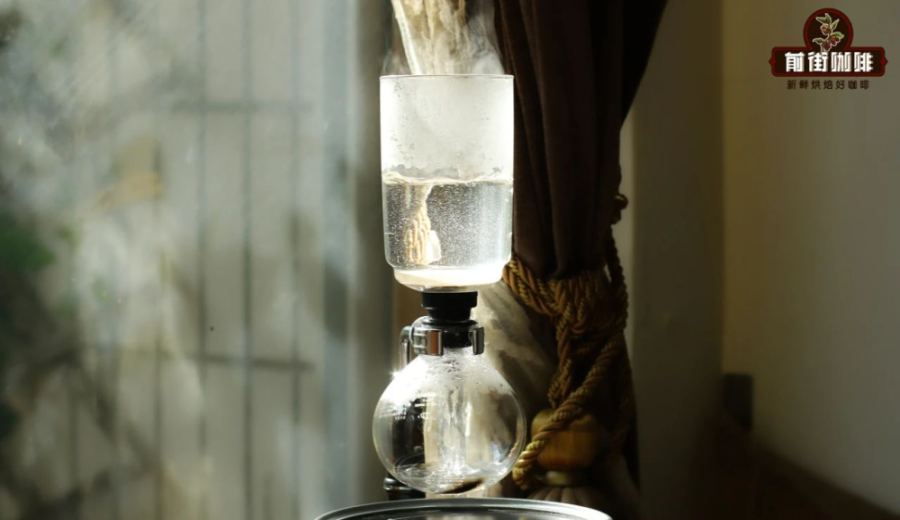
Introduction:Although siphon coffee is less commonly seen in modern cafés, its unique brewing method and rich flavor still attract many coffee enthusiasts to try it themselves. This article provides a detailed breakdown of the siphon’s structure and principles, filter selection, heating methods, coffee-to-water ratio, grind size, stirring techniques, extraction time, and other key elements, along with a practical and easy-to-follow brewing process—so you can also brew a pot of aromatic and full-bodied siphon coffee at home.
The siphon (Siphon) is a retro-style coffee brewing device that, although largely disappeared from the menus of many modern cafés, still has a loyal following. If you’re having trouble finding satisfying siphon coffee in stores, why not follow this tutorial and make it yourself from scratch? This article will fully explain all aspects of siphon extraction, including the basic structure of the equipment, suitable scenarios for cloth and paper filters, recommendations on heat sources, the timing of coffee grounds addition, ideal grind size, coffee-to-water ratio settings, correct stirring methods, how to determine the optimal extraction completion time, and practical step-by-step guidance to help you master this seemingly complex yet highly enjoyable brewing technique.
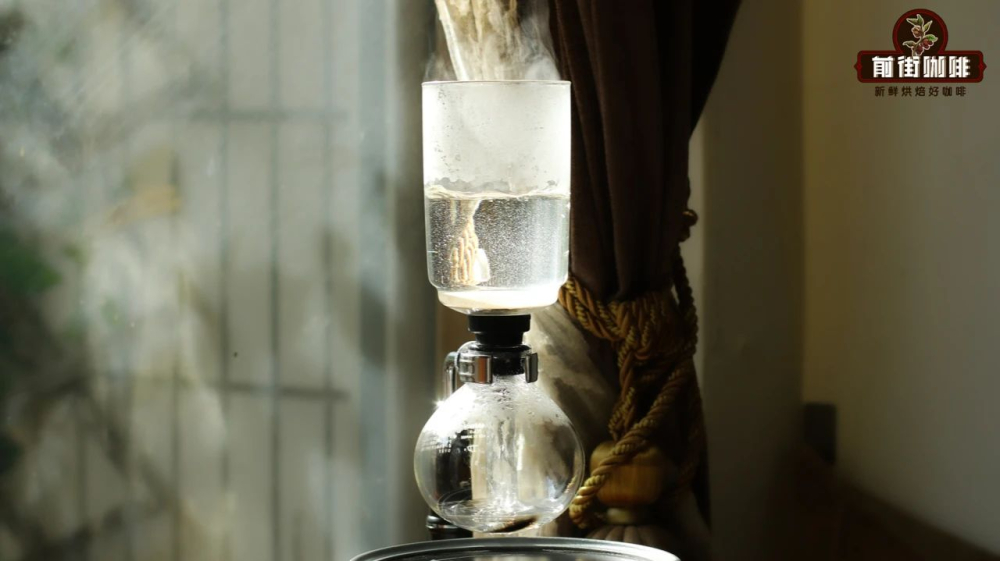
In terms of today’s market trends, the siphon is no longer a mainstream coffee brewing tool. Many cafés have gradually removed it from their regular menus to simplify operations and improve service efficiency, using it only occasionally as a special feature or limited-time offering. However, for drinkers who love the unique flavors of siphon coffee, the most direct solution to enjoying a well-rounded cup is to brew it yourself. This article will introduce you to the essentials of making siphon coffee in an easy-to-understand way.

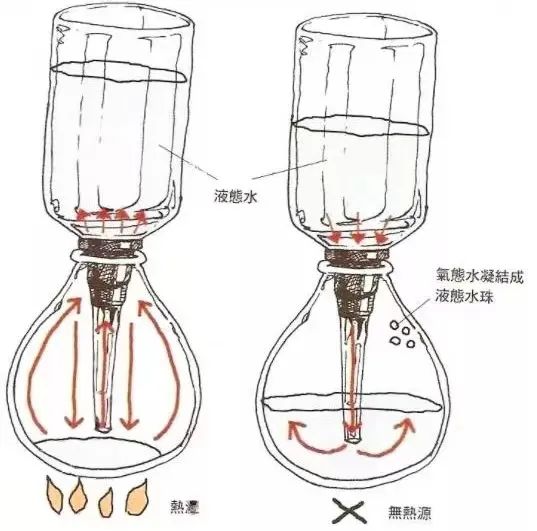
First, let’s get familiar with the basic structure of the siphon. The siphon mainly consists of two chambers, upper and lower. By heating the lower chamber, steam pressure pushes the water up into the upper chamber where it mixes with the coffee grounds. Then, after the heat is turned off, a change in pressure causes the coffee liquid to flow back down into the lower chamber, completing the extraction. This process not only involves scientific principles but also requires the operator to have precise control over timing and technique.
When it comes to filter selection, siphons usually use either a cloth filter or a paper filter. Cloth filters retain more delicate oils and aromas but require cleaning and maintenance afterward; paper filters yield a clearer coffee liquid but may filter out some subtle flavors. Depending on personal taste preferences, you can flexibly choose the appropriate filter material.
For heat sources, common options include alcohol lamps, gas stoves, or dedicated electric heating bases. It’s recommended to use a heat source with stable firepower and easy temperature control to accurately manage the heating and shutdown timing. Unstable heat can lead to uneven extraction or over-extraction.
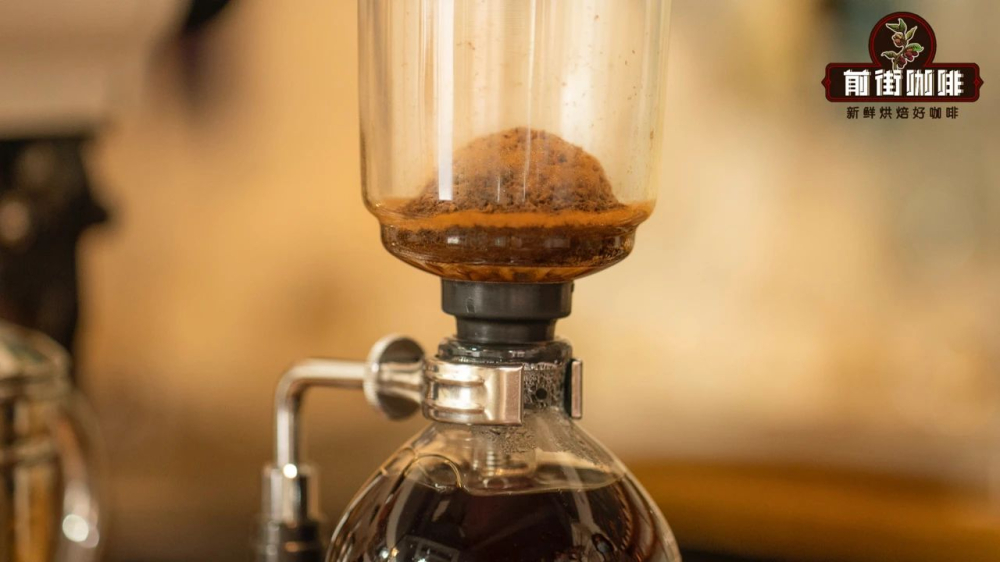
Regarding the timing of adding coffee grounds, there are two methods: “pre-add” and “post-add.” The more common approach is to add the pre-measured coffee grounds after the water has been drawn up into the upper chamber, which helps achieve even extraction and better control over steeping time.
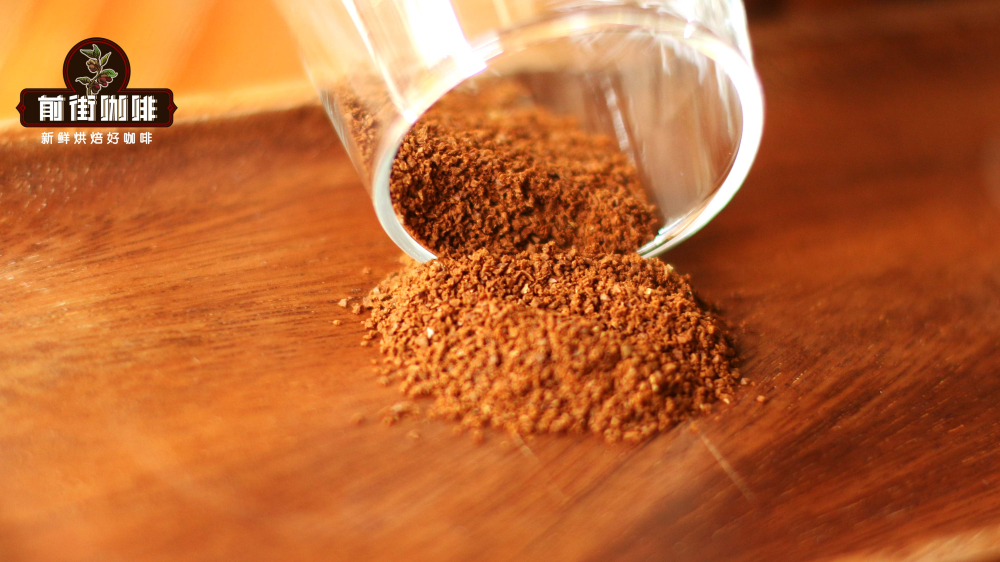
Grind size is also a crucial factor affecting the flavor of siphon coffee. It is recommended to use a medium-fine grind, roughly similar to superfine sugar or slightly finer than a pour over grind. This allows for effective flavor release within the limited time without being so fine as to cause over-extraction or clogging.
For the coffee-to-water ratio, a range of 1:12 to 1:16 is recommended, adjusted according to personal preference for strength. Based on 200 ml of water, the coffee grounds amount is approximately 12 to 16 grams, achieving a balanced flavor profile.
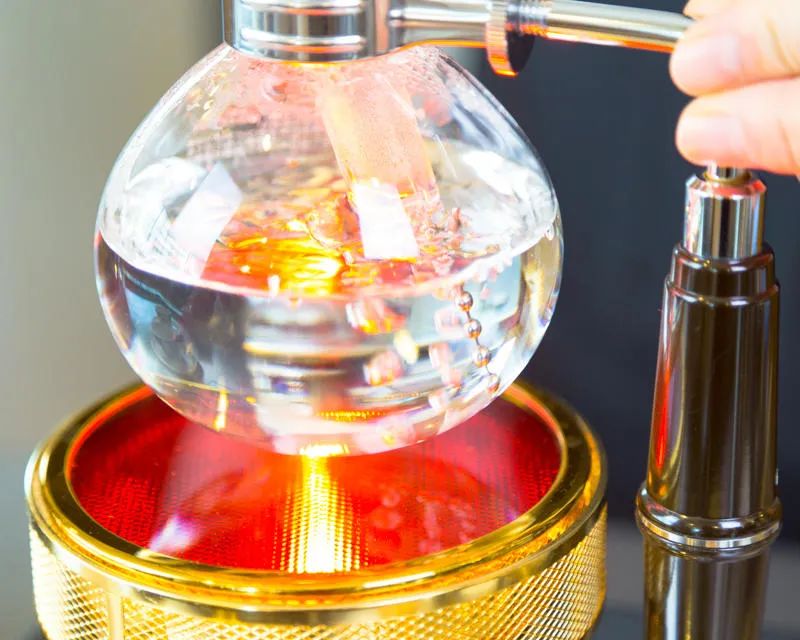
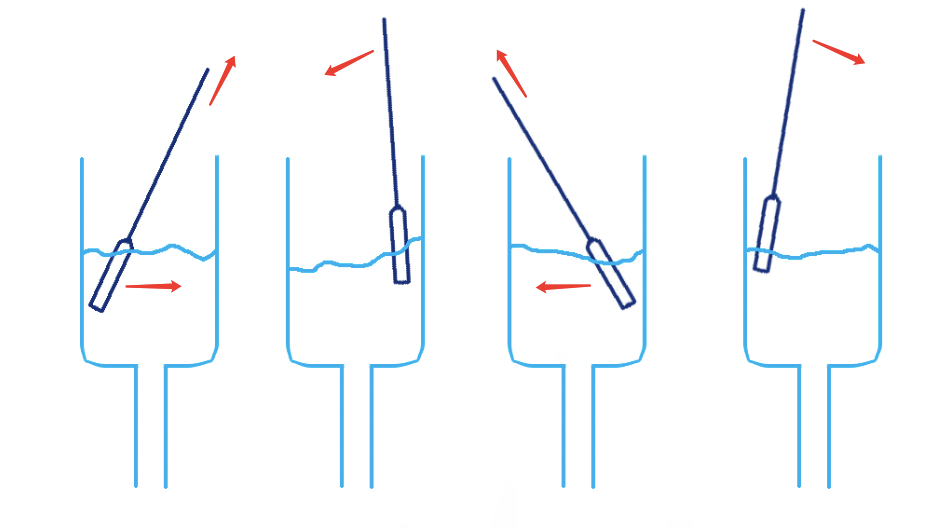
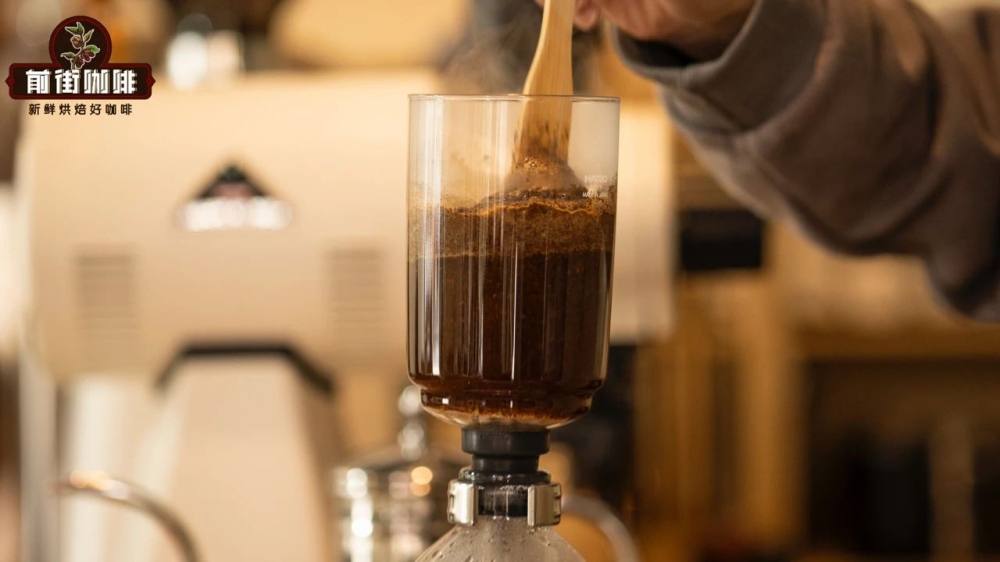
Stirring technique is one of the key steps in siphon coffee brewing. In the initial stage, it’s recommended to use a stirring stick to gently tap or swirl in circles, pressing the coffee grounds evenly into the water to promote full saturation. At around 25 seconds, perform a second stir to create a distinct separation of the coffee liquid into three layers: liquid, powder, and foam, which aids subsequent filtration and flavor concentration. At 50 seconds, stir again in the same direction, and at 60 seconds, prepare to remove the heat source to begin the coffee liquid’s return flow.
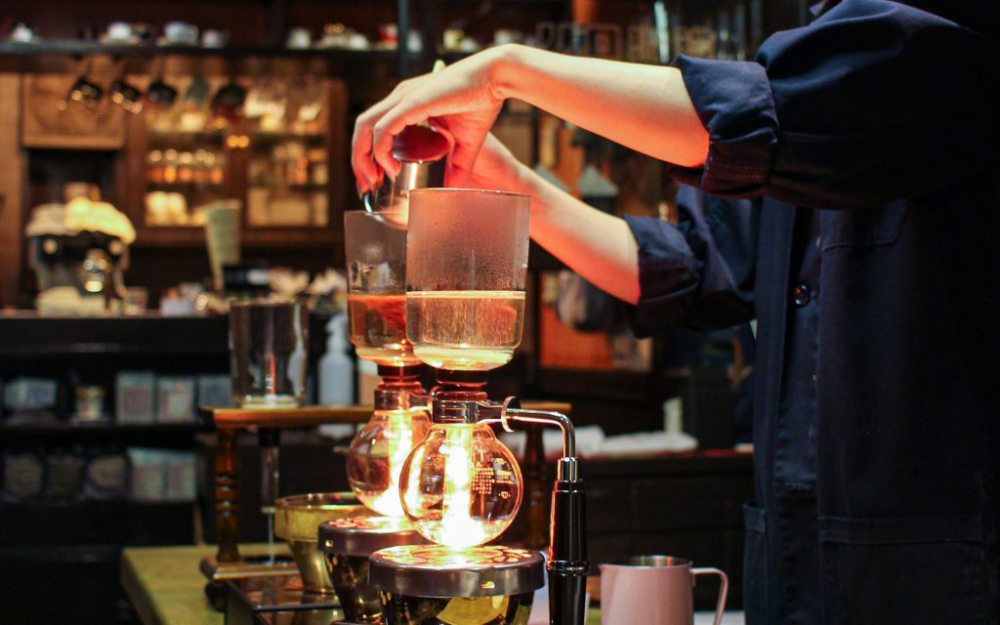
Judging the right time to complete extraction is very important. It’s generally recommended to keep the total extraction time around 60 seconds. Start timing once the water in the lower chamber has been completely drawn up into the upper chamber, and quickly remove the heat source at the 60-second mark. Then, wait for the coffee liquid to slowly flow back down into the lower chamber. Observing the speed and stability of the return flow can serve as a reference for whether the extraction was even.
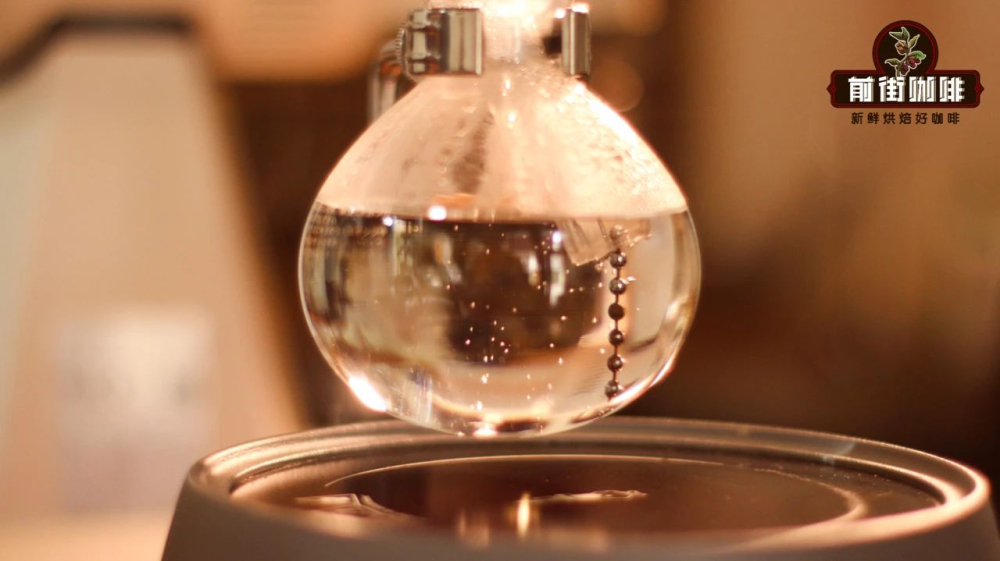
In terms of the actual operation process, here is a commonly used siphon coffee brewing procedure: First, pour about 200 ml of hot water into the lower chamber, dry the outer wall, and place the heat source. Next, insert the upper chamber diagonally into the lower chamber, ensuring the anti-explosion bead touches the bottom. When small continuous bubbles begin to form on the water surface in the lower chamber, straighten and press the upper chamber firmly to draw the water up. At this point, you can add the coffee grounds and start timing. Begin with gentle tapping to stir, perform a second stir at 25 seconds to create layered liquids, do a third stir in the same direction at 50 seconds, and finally remove the heat source at 60 seconds, waiting for the coffee liquid to finish flowing back and complete extraction.

The siphon coffee brewed this way typically has a rich aroma and full-bodied taste. Though not as clear and bright as pour over coffee, the layer of crema on the surface adds extra richness to the flavor. However, the siphon brewing process is relatively complex—not only does it require preparation of heating equipment beforehand, but it also demands full attention during brewing, and immediate cleaning of the upper chamber and filter materials after each use. For cafés that need to produce large quantities daily, it can indeed be rather inconvenient. Nevertheless, for coffee enthusiasts who pursue unique flavors and the joy of handcrafting, the siphon is undoubtedly a brewing tool worth exploring in depth.
The above content is compiled by CoffeeHunters, a coffee news website.


