







Introduction:Recently, over half of Starbucks outlets in South Korea have temporarily suspended the sale of iced coffee, a situation closely tied to the global rise in coffee futures prices and international logistics bottlenecks. From price hikes on regular coffee and shortages of cold drip and cold brew, to an overall restriction on iced coffee offerings, this series of changes reveals the profound impact of the international supply chain on local consumption. This article delves into the raw material challenges faced by Starbucks Korea, explores procurement limitations under the franchise model, and explains why iced coffee beans are given lower priority than espresso beans—helping readers understand the operational logic behind the global coffee market.
Affected by the continuous rise in global coffee futures prices and long-standing strains in international logistics, Starbucks Korea has faced challenges with unstable coffee bean supplies since the beginning of this year. In January, Starbucks Korea was the first to announce a price increase for regular coffee. Then in February, multiple outlets began experiencing shortages of coffee beans. Although the situation improved briefly in early March, by late March, some outlets were no longer able to offer iced coffee products that require longer brewing times, such as cold drip and cold brew. As of April 11, more than half of Starbucks outlets in South Korea had suspended the sale of all types of iced coffee, including cold drip and cold brew.
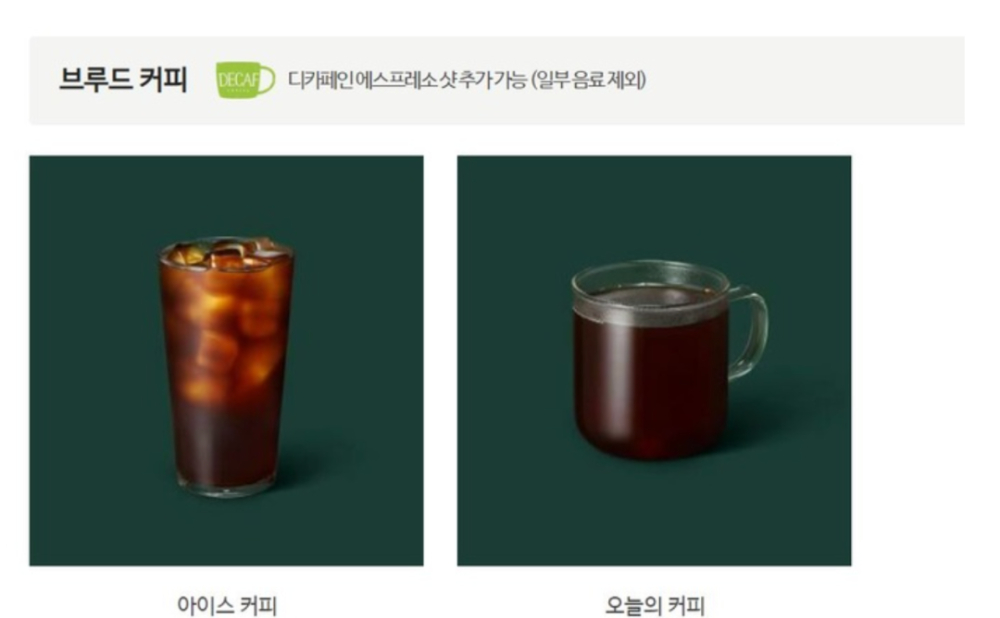
According to insiders at Starbucks Korea, iced coffee drinks are extremely popular in the country, and their menu is typically updated regularly. These drinks are usually made using cold brew or drip methods with light to medium roasted beans, offering a fresher and more layered flavor profile compared to iced Americanos, which are based on espresso. However, in terms of actual order volumes at the outlets, since most drinks are still espresso-based, the demand for espresso beans far exceeds that for the beans used in iced coffee.
Currently, all coffee beans and related materials used by Starbucks Korea must be ordered through the U.S. headquarters. Under the tight capacity of international logistics, the U.S. headquarters arranges shipments based on the order volume and priority of each outlet, and the beans needed for iced coffee are usually ranked lower in priority, making them more prone to delays. A Starbucks Korea representative pointed out that to mitigate the impact of shipping delays, some outlets have switched to air freight for importing espresso beans. While this ensures supply stability, it has also led to a significant increase in transportation costs.
In response to questions from many Korean consumers: Since Starbucks Korea has been acquired by the South Korean retailer E-Mart, why can’t it procure coffee beans independently and still relies entirely on supplies from the U.S. headquarters? Industry experts explain that although Starbucks Korea is now owned by E-Mart, its business model remains unchanged and it is still part of Starbucks’ global franchise system. According to the franchise agreement, Starbucks Korea pays about 5% of its revenue annually as a franchise fee to the Starbucks headquarters, and all outlet menus and material supplies must align with global standards. Therefore, coffee beans still have to be procured uniformly from the headquarters. Additionally, the Starbucks headquarters also earns a certain profit through raw material supplies, which is an important part of its licensing business model.
In an official response, Starbucks stated that due to differences in roasting techniques and bean characteristics among various partner roasters, the roasting and supply sequence of each type of coffee bean also varies. Currently, Starbucks’ major shareholder in Korea is E-Mart, and the Singapore Investment Authority also holds a significant stake. Although this ownership structure reflects the participation of local capital, it has not altered the fundamental structure of its global supply chain.
Overall, the shortage of iced coffee supply at Starbucks Korea is not just a temporary issue in a single market, but the result of the combined effects of the global coffee supply chain, fluctuations in the futures market, and the franchise business model. For consumers, understanding these underlying factors can help them better comprehend the reasons behind menu changes and make choices that better suit their taste preferences. In the future, if international logistics and the futures market continue to experience volatility, similar supply adjustments may still occur.
The above content is compiled by CoffeeHunters, a coffee news website.


