







Introduction:The global coffee chain giant Starbucks has been actively promoting environmental transformation in recent years by finding innovative ways to manage operational waste. From recycling customer-return tumblers into coasters at Japanese stores, to using coffee grounds to make cold drink straws in China, and even composting coffee grounds to grow carrots for desserts — each initiative showcases the potential of reusing discarded resources. This article delves into the details of these eco-friendly practices, including the production process of the coasters, the applications of coffee grounds, and the sustainability plans of the "Greener Stores", offering insight into how Starbucks is reducing its carbon footprint and inspiring industry innovation.
As the world's leading coffee retailer, Starbucks handles a massive volume of materials daily, with a significant proportion being plastic products. In response to the growing trend toward sustainability, the brand has been actively transforming its operations in recent years through various recycling initiatives to reduce its environmental impact. Japanese stores turn returned used tumblers into practical coasters, while China utilizes coffee grounds to develop innovative straws. Coupled with the resource circulation systems of globally certified "Greener Stores", these efforts demonstrate the diverse possibilities of waste regeneration.
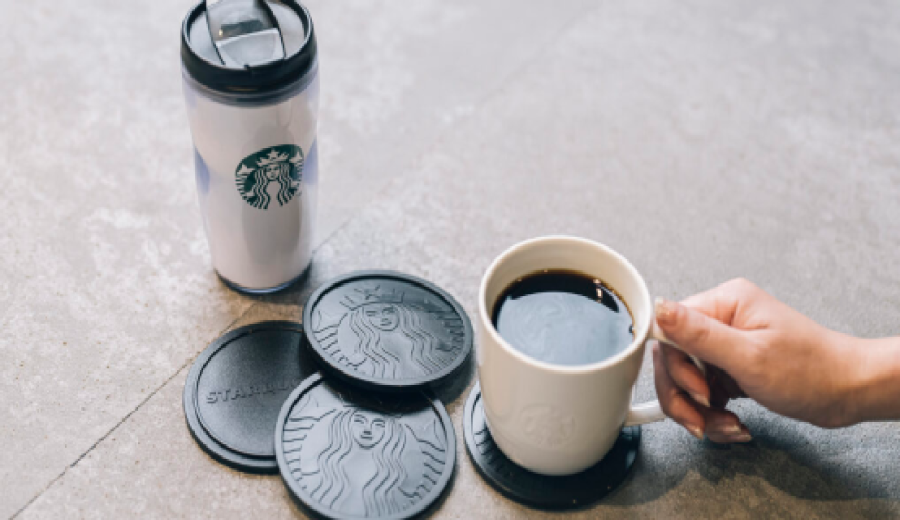
Starbucks Japan’s tumbler-to-coaster recycling project was launched in June 2021, with approximately 500 stores nationwide participating in collecting customers’ discarded tumblers. Within two months, around 2 metric tons (approximately 7,000 tumblers) were accumulated.These coasters come in sets of four, priced at 2,600 yen (approximately NT$580), and have been available for limited release online and at designated physical stores since April 20, 2022.. The production process involves manually separating the rubber anti-slip pad at the bottom of the tumbler from the interlayer paper material. The plastic parts are shredded, cleaned, and then compressed into recycled pellets, which are finally molded into coasters at a factory in Chiba Prefecture.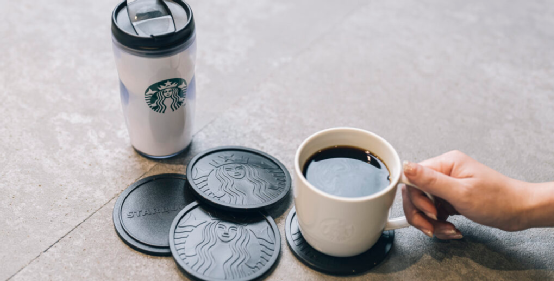 .
In addition to the coasters, Starbucks Japan also transforms coffee grounds into sustainable agricultural resources. The collected coffee residue is composted and used to grow carrots, which are eventually made into a specialty “carrot cake” available for customers to purchase. This initiative not only addresses the issue of coffee ground disposal but also extends into creative culinary applications.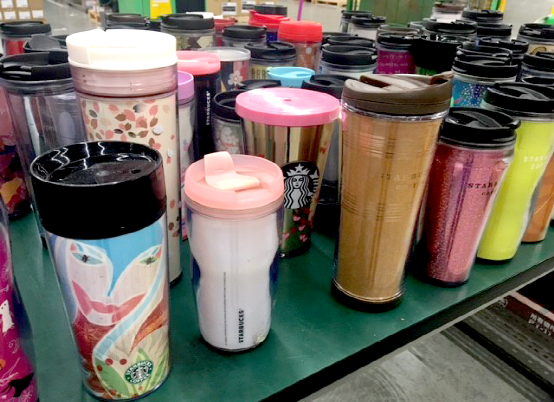 .
Meanwhile, Chinese stores focus on the immediate reuse of coffee grounds by developing the “Zhazha Tube” cold drink straw. Made from 100% coffee grounds compounded with biodegradable materials, this straw possesses natural odor-inhibiting properties and offers a user experience similar to that of traditional plastic straws, combining environmental friendliness with practicality. Compared to the common issue of traditional paper straws softening easily, the Zhazha Tube performs more stably in hot drink environments, making it an ideal match for summer cold beverages.
To deepen its sustainable operations, Starbucks is accelerating the global rollout of the "Greener Stores" program. These certified stores adopt closed-loop resource management systems — for example, redesigning furniture retired from other outlets into bar counter structures, or repurposing packaging materials into decorative elements. According to official data, each Greener Store can reduce operational waste by an average of 30%, while optimizing resource flow efficiency through localized recycling networks.
From the manual sorting techniques behind Japan’s coasters to the material ratio R&D of China’s Zhazha Tubes, Starbucks’ environmental practices break free from traditional recycling frameworks.These cases not only help reduce the use of over 10,000 tons of plastic annually, but also provide the coffee industry with empirical references for adding value to waste.. Consumers can also come to understand that everyday items such as coffee grounds and used tumblers can be transformed into new uses through systematic planning, redefining the concept of “waste”.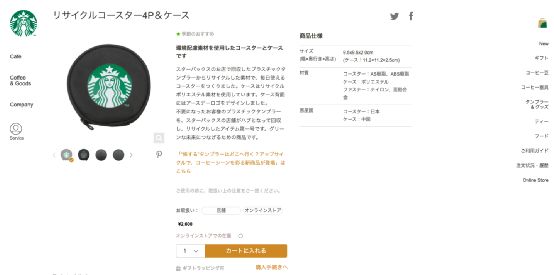 .
The above content is compiled by CoffeeHunters, a coffee news website.


