







Introduction:Many beginner coffee enthusiasts who love espresso but have a limited budget often consider using a moka pot as a more affordable alternative to expensive semi-automatic espresso machines. But can the bold black coffee brewed with a moka pot be considered true espresso? This article delves into the fundamental differences between a moka pot and an espresso machine by exploring their historical origins, pressure, and extraction parameters, while also providing practical tips for operating a single-valve moka pot to help you extract thicker crema and better understand the potential and limitations of this classic brewing device.
When you first encounter espresso, you might hesitate due to the high price of semi-automatic espresso machines. Some turn to the moka pot, believing it offers a similar espresso-like beverage at a lower cost. But here’s the question: is the dark, strong liquid produced by a moka pot really the same as the espresso we know? The answer isn’t so straightforward.
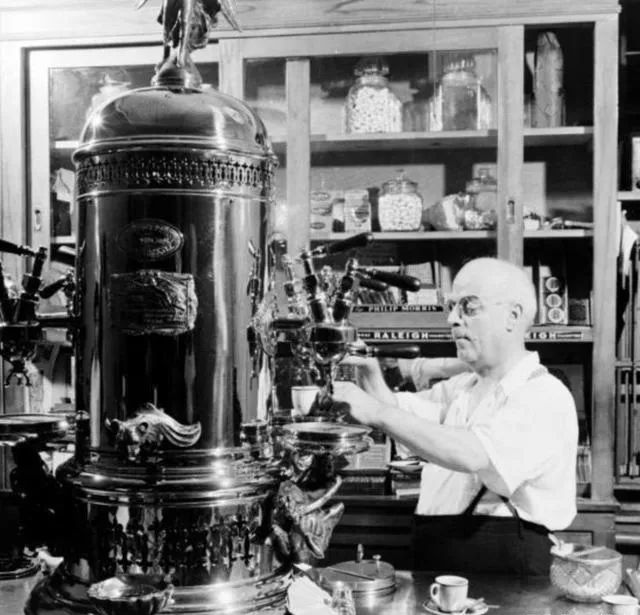
To clarify this, we need to start with the history of espresso. The first true espresso machine, the "Ideale," was born in 1905. Its appearance was vastly different from modern espresso machines, and the extraction pressure at that time was only 1.5 bar—far lower than today’s standard of 9 bar. Although it could complete extraction in a short time, the flavor and mouthfeel were incomparable to those of modern machines, more akin to black coffee without crema.
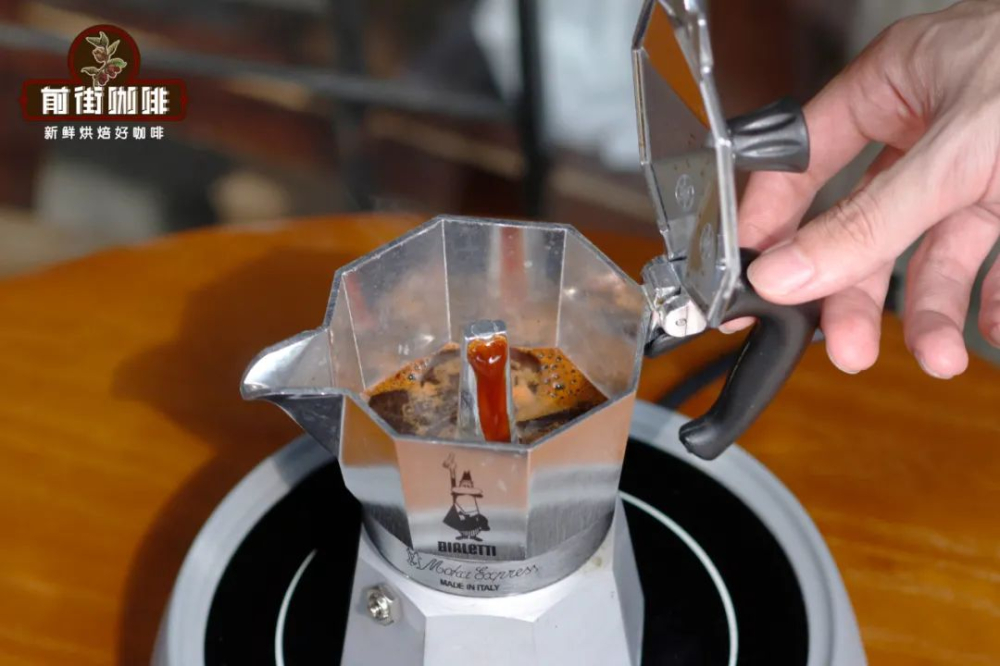
By 1933, the Italian brand Bialetti invented the moka pot. This simple yet practical device uses steam pressure generated by heating (approximately 1–2 bar) to quickly brew coffee, sharing similarities with the early coffee machines of that era. It could even be described as a miniature pressure-style coffee machine.
As early as 1920, the Italian dictionary first defined the term "espresso" as "concentrated coffee made under pressure." By the standards of the time, the coffee made by a moka pot did indeed fit this description. However, as time passed—especially after Faema launched the E61 model in 1961—the situation changed significantly. This machine achieved stable 9-bar extraction pressure for the first time, greatly enhancing the richness and crema performance of the coffee and redefining public expectations of what espresso should be.
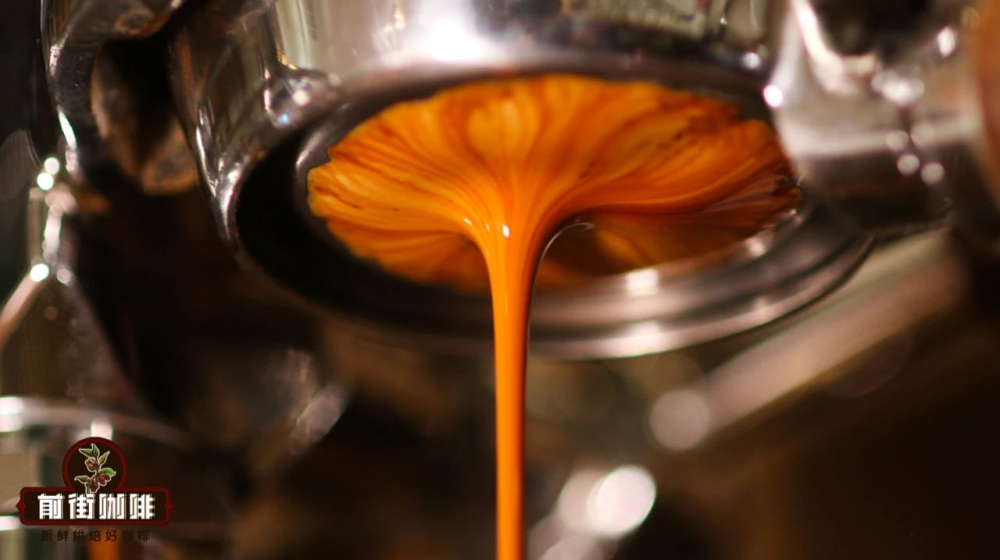
By modern standards, espresso machines typically use a 1:2 coffee-to-water ratio and 9-bar pressure to produce coffee that is rich, nuanced, and has long-lasting, abundant crema. In contrast, moka pots usually operate at a 1:5 coffee-to-water ratio with a pressure of only around 2 bar, resulting in noticeably different overall flavor and mouthfeel. As such, it is now widely accepted that although the coffee brewed with a moka pot is strong, it does not meet the strict contemporary definition of espresso.

Since the coffee from a moka pot is not equivalent to espresso, what category does it actually belong to? In reality, it is closer to a type of "espresso-style coffee" that is flavor-concentrated and quickly extracted. While it may not be authentic espresso, it still offers a rich taste and unique charm, especially appealing to coffee lovers with budget constraints or limited space.
If you still hope to extract a crema layer similar to that of espresso using a moka pot, here are some essential practical tips you need to know. Every step—from bean variety selection and grind size to coffee grounds filling technique—affects the final crema thickness and flavor profile.
1. Choose Dark Roast and Fresh Coffee Beans
To achieve richer crema when brewing with a moka pot, it is recommended to choose dark roast coffee beans, such as Indonesian Mandheling, Brazilian Queen Estate, or blends with a high proportion of Robusta. Dark roasting results in a looser bean structure, which facilitates the release of carbon dioxide and helps form crema. However, “fresh” doesn’t mean beans that have just been roasted—it refers to beans that have undergone proper resting and are at their optimal flavor stage. At this point, the carbon dioxide content is just right, complementing the characteristics of dark roasting and effectively enhancing crema formation.
2. Control Grind Size to Influence Extraction Pressure
Although a moka pot does not reach the 9-bar pressure of a semi-automatic espresso machine, it still maintains extraction pressure of about 1–2 bar, so grind size is crucial. It is advised to adjust the grind to be slightly finer than pour over but slightly coarser than professional espresso grind. If the grind is too coarse, water will pass through the coffee bed too quickly, leading to ineffective extraction. If it’s too fine, excessive pressure may cause the coffee to backflow or even pose safety risks. If you notice that the coffee is not rising during extraction, turn off the heat immediately and check.
(Left image: pour over grind, center image: moka pot grind, right image: espresso grind)
3. Fill Coffee Grounds Evenly and Tamp Lightly
Filling the coffee grounds is another key step affecting pressure. Taking a common three-cup moka pot as an example, it is recommended to fill it with about 19 grams of coffee grounds. When filling, level the coffee bed first, then gently tap or knock the pot to make the coffee distribution more even and compact, avoiding channeling issues that can affect extraction. If your grind is on the coarser side, you can lightly press the coffee bed with your fingers to increase water resistance. If the grind is finer, avoid adding extra pressure to prevent over-restriction.
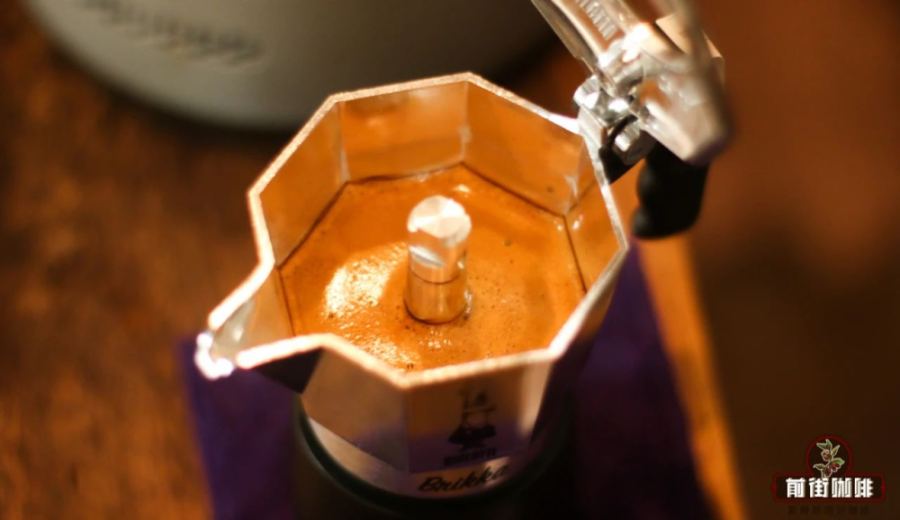
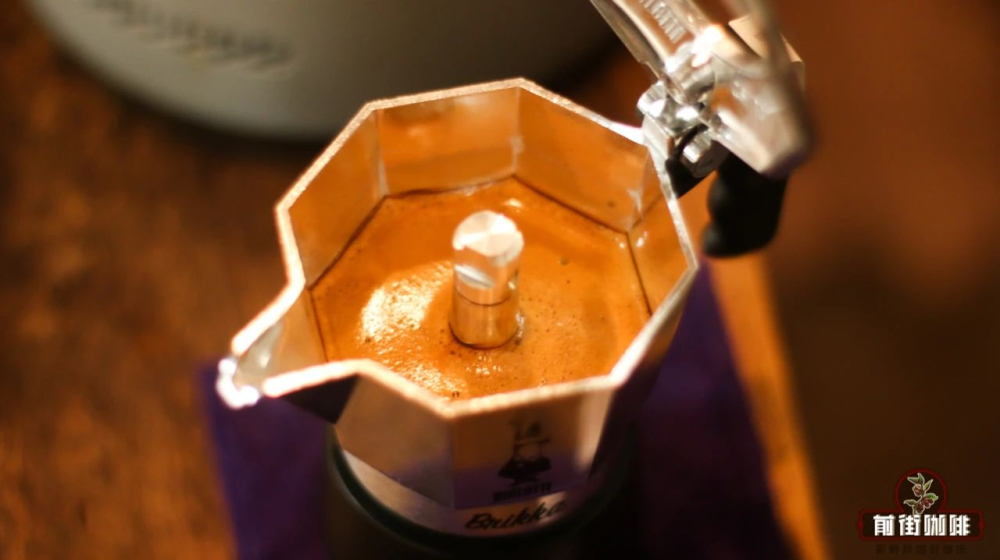
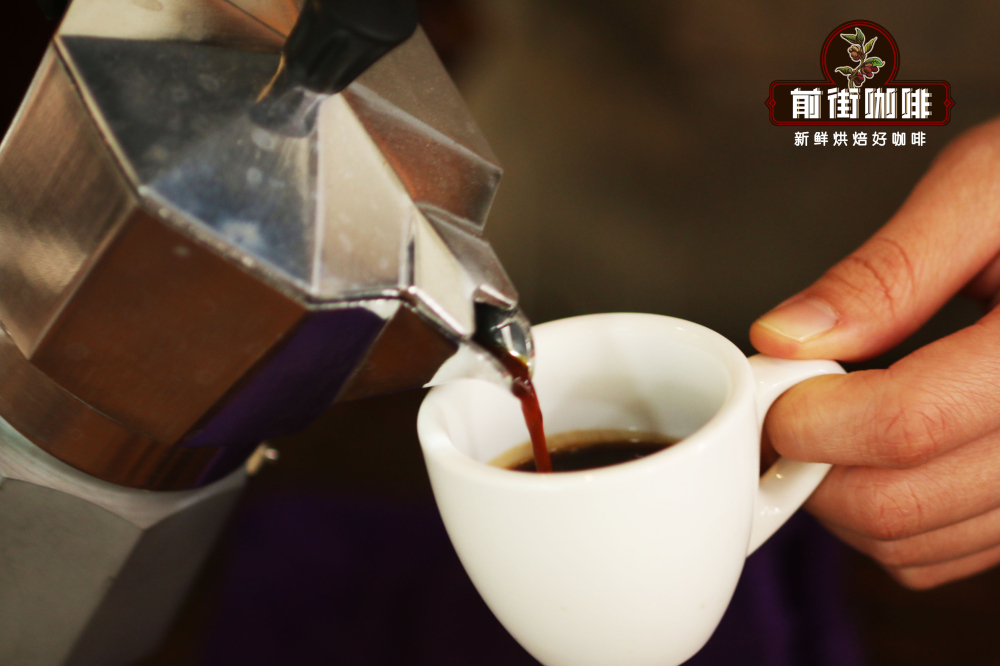
Next, add about 110 ml of hot water to the lower chamber, attach the filter basket and upper chamber, and begin heating. When you see a noticeable crema layer forming on the silver inner wall of the lower chamber, you can turn off the heat and let residual heat complete the final extraction.
With these steps, you’ll be able to brew a cup of coffee with thick crema and concentrated flavor using a single-valve moka pot. For a double-valve moka pot, the crema performance will be even better—you might not even need to wait and can enjoy it right away.
In summary, although a moka pot cannot fully replicate the essence of modern espresso, by mastering the right bean selection, grind size, and tamping techniques, you can still achieve a coffee experience with similar texture and rich flavor. It is an ideal choice for many home and travel users.
The above content is compiled by CoffeeHunters, a coffee news website.


