







Introduction:When preparing to host friends or family, mastering the technique of making pour over coffee in larger quantities is a practical skill. When increasing the coffee dose to serve four people, not only do the water volume and brewing time need to be adjusted, but the choice of filter also becomes crucial. This article explains in detail how to achieve a balanced pour over coffee with stable extraction through proper coffee-to-water ratios, staged pouring rhythms, and time control. It also offers practical equipment recommendations to help you easily manage multi-person sharing scenarios.
When you want to prepare coffee for multiple people using the pour over method, increasing the coffee dose directly affects overall extraction parameters, including water volume, brewing time, and the choice of filter. Particularly at a serving size for four, adjusting these factors becomes especially important.
First,increasing the coffee dose is not without limits—the size and structure of the filter often determine the thickness of the coffee bed and the uniformity of extraction. If the coffee bed is too thick, water will have difficulty passing through, which can lead to over-extraction or uneven extraction.

For a four-person serving, a common and practical coffee dose recommendation is40 grams. Using a typical 1:15 coffee-to-water ratio, the total water volume would be approximately600 milliliters. This ratio strikes a good balance between taste and strength, suiting the preferences of most people.
Due to the larger amount of coffee, the coffee bed will be relatively thicker, so it is recommended to usea staged pouring method. Specifically, you can start witha 30-second bloomto awaken the coffee grounds and release carbon dioxide, laying a solid foundation for subsequent extraction.
Then, divide the total water volume into3 to 4 pours, pausing slightly between each pour to allow the water to evenly penetrate the coffee bed. This helps ensure a stable release of flavor compounds. The overall brewing time is recommended to be controlled within3 minutes and 30 seconds to 4 minutes. This ensures the coffee is adequately extracted without extending the process too long, which could bring out unwanted off-flavors.

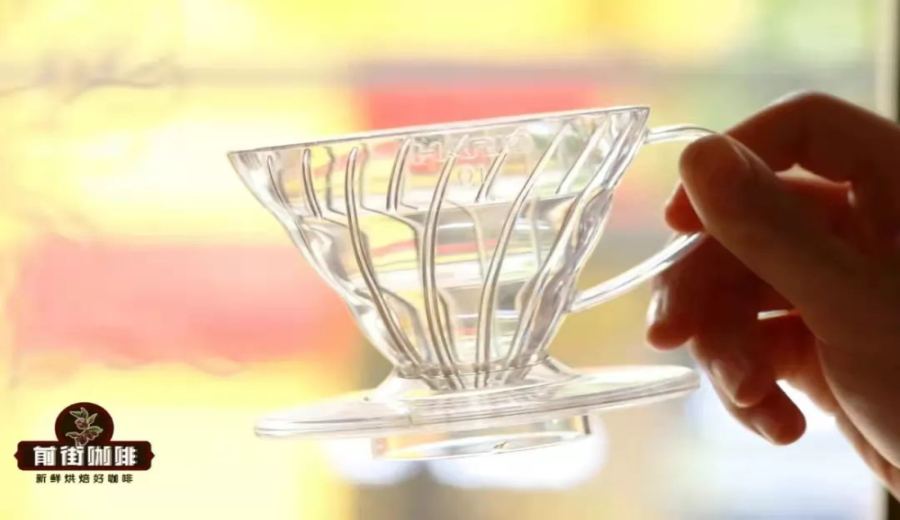
It’s worth noting that if the filter you are using has limited capacity and cannot accommodate a thick coffee bed, you may consider switching to alarger-capacity filter design. These filters usually feature more internal space and appropriately designed ridges, which better facilitate gas release and even water distribution.
If a larger-capacity filter isn’t readily available, you can also opt tobrew in two batches, processing half the coffee dose and water volume each time. This also effectively controls extraction quality while avoiding negative impacts on taste due to an overly thick coffee bed.
In addition, during actual brewing, it is recommended to make slight adjustments to the coffee-to-water ratio and pouring speed based on the roast level and origin characteristics of the beans. For example, lighter roasts typically require a slightly longer extraction time to bring out acidity and aroma, while medium to dark roasts can have the time slightly reduced to avoid excessive bitterness from over-extraction.

In summary, the key to successfully brewing four servings of pour over coffee lies in accurately mastering the coffee-to-water ratio, controlling the rhythm of staged pouring, and selecting the right equipment. By grasping these basic principles, even in multi-person settings, you can consistently brew coffee with balanced flavors, allowing every guest to enjoy a consistent and satisfying taste experience.
The above content is compiled by CoffeeHunters, a coffee news website.


