








Introduction:The wave of unionization at U.S. Starbucks locations continues to intensify, with over 200 stores applying for union elections, reflecting employee dissatisfaction with pay, benefits, and working conditions. This article delves into interim CEO Howard Schultz’s stance on unions, consumer sentiment survey results, and how post-pandemic operational pressures have catalyzed employee organizing efforts—offering key insights into this pivotal labor-management standoff.
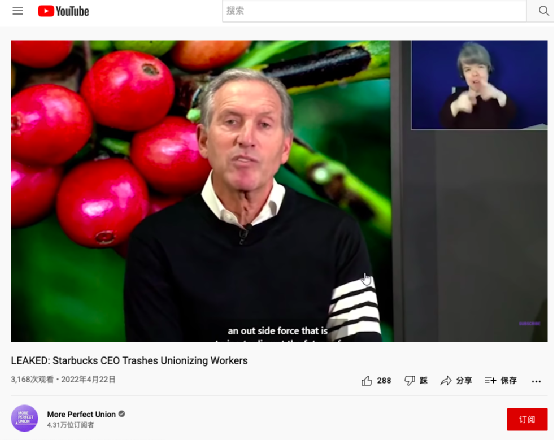
The unionization movement at U.S. Starbucks is rapidly expanding, becoming a major issue in recent retail labor relations. In a video released by More Perfect Union, interim CEO Howard Schultz described unions as “outside forces” attempting to disrupt company operations and expressed discontent toward part-time employees. These remarks sparked widespread debate and once again brought the growing labor-management tensions within Starbucks into the spotlight.
According to a BTIG survey of approximately 1,000 U.S. consumers, Starbucks’ unionization has had limited impact on customer loyalty: only 4% of respondents said they would stop patronizing the brand if union negotiations with the company broke down; 68% emphasized that unionization does not affect their visit frequency; and even 13% of customers stated they would increase their spending if unions secured more benefits. This reflects that most consumers care more about the product and service itself than the underlying labor relations.
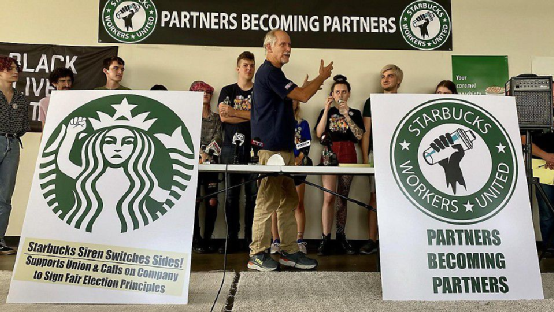
Currently, Starbucks operates over 9,000 stores in the U.S., accounting for about 40% of the national chain coffee market. Within this vast network, more than 200 stores have officially applied for union elections, with 27 successfully voting to form unions, 2 voting against, and the results of 9 others having been officially certified. These figures indicate that unionization is not an isolated action by individual stores but rather a trend gradually taking shape on a larger scale.
Howard Schultz’s negative attitude toward unions has long been evident. In his 1999 autobiography Pour Your Heart Into It, he wrote: “I deeply believe that under my leadership, employees will understand that I am willing to listen to them. As long as they trust me and my motives, they don’t need a union.” Additionally, when the Obama administration pushed for the Employee Free Choice Act to simplify the process of forming unions, Schultz publicly opposed it multiple times, demonstrating his longstanding reservations about union organization.
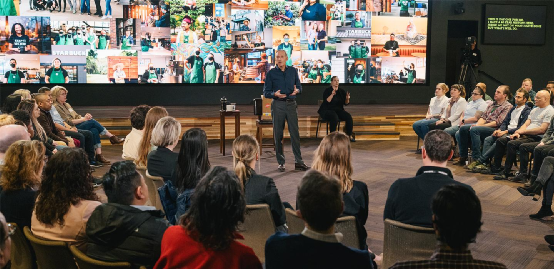
In the 19-minute-36-second video released by More Perfect Union, Schultz, during a discussion with senior executives, referred to some part-time employees as “some kind of outside force” and accused them of “actively trying to undermine Starbucks.” He also urged store management to intervene and convey the message that employees should “understand the real impact of voting for a union,” emphasizing that every employee’s vote is crucial. He expressed hope that employees would identify more with the company’s values rather than seeking union representation.
The video triggered a flood of online comments, including many from current or former Starbucks employees sharing their own experiences. One anonymous employee mentioned having worked at three different Starbucks locations, during which they experienced two pay cuts and emotional belittlement, expressing deep disappointment with Schultz’s remarks.Post-pandemic supply chain crises, high inflation, and strict pandemic control measureshave led Starbucks to focus on cost control without correspondingly raising employee pay and benefits, further exacerbating tensions.
Some netizens have offered specific suggestions, such as raising base annual salaries to $50,000 for baristas and $75,000 for store managers, as well as reallocating shareholder profits and executive bonuses, believing this to be the fundamental solution to the union issue. These comments highlight employees’ urgent hopes for better working conditions, respect, and fair compensation.
Although Schultz, upon returning to the CEO role, announced a halt to stock buybacks to allocate more resources toward employee benefits, he explicitly excluded part-time employees and unionized stores from these benefit improvements. This decision has further deepened internal divisions and sparked debate over the very definition of “employee” within the company’s policies.
Overall, the Starbucks unionization wave is more than just a surface-level labor negotiation—it is a microcosm of post-pandemic economic shifts, rising employee rights awareness, and challenges to corporate governance models. Whether more stores will join the union movement or whether the company will adjust its strategy to address employee demands will continue to be a focal point of global attention in the coffee industry.
The above content is compiled by CoffeeHunters, a coffee news website.


