







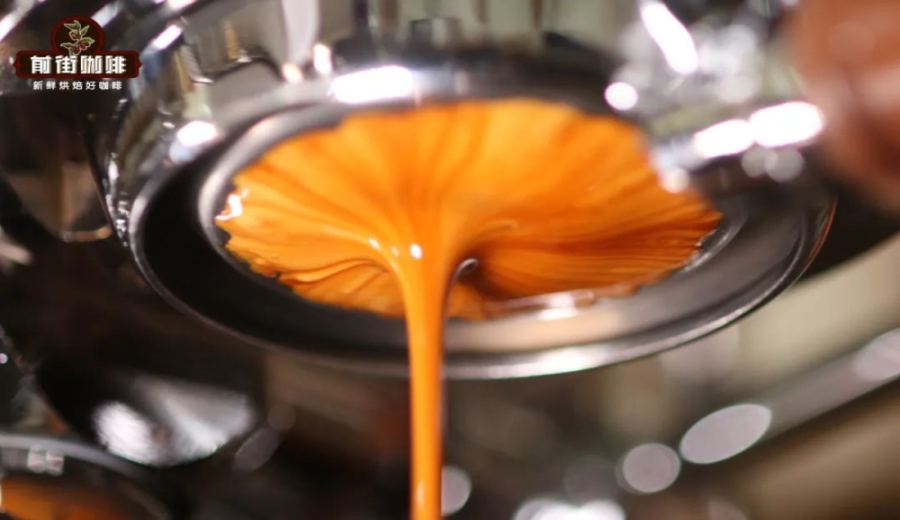
Introduction:Have you ever experienced unstable water flow, inconsistent extraction speed, or even splattering when brewing espresso? This is likely caused by "channeling" — where water finds the path of least resistance through the coffee puck, leading to uneven extraction and imbalanced flavors. This article delves into the causes of channeling, its real impact on coffee flavor, and offers specific tips for improvement, from coffee distribution and tamping to grind adjustment, helping you enhance the consistency and complexity of every shot. Practical diagrams are also included to help you visually grasp key operational points.
When making espresso, have you noticed irregular water flow, off-angle streams, multiple separate flows, sudden speed changes, or even splashing? These phenomena often conceal a common yet frequently overlooked issue — "channeling." Channeling refers to the process where, during extraction, water avoids the compact, high-density parts of the coffee puck and instead flows rapidly through looser areas of lower resistance, creating several "shortcuts." As a result, some coffee particles are over-extracted, releasing excessive bitterness, impurities, or even burnt flavors, while others, with insufficient water flow, are under-extracted, leading to overly sharp acidity or thin taste. The combination of these two extremes ultimately throws off the overall balance of the espresso, blurring its layers and leaving a short, unpleasant aftertaste.
To understand how channeling occurs, it helps to start with an ideal extraction state.When using a bottomless portafilter, under normal circumstances, water should evenly penetrate the entire coffee puck, converging from the edges toward the center to form a stable and focused stream..(You can refer to the diagram below showing normal vs. abnormal extraction flow patterns.))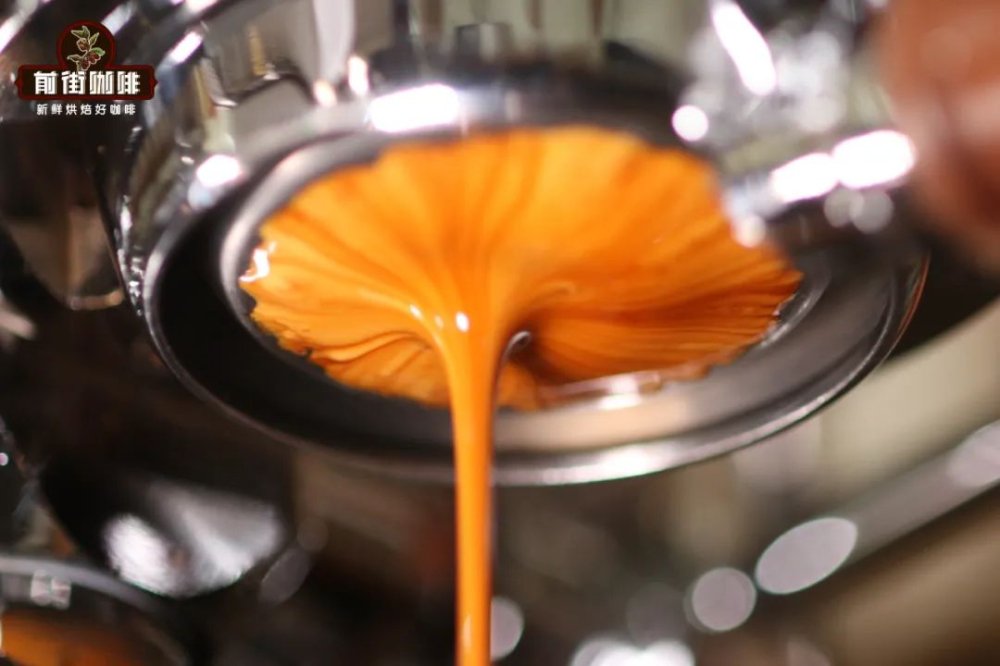
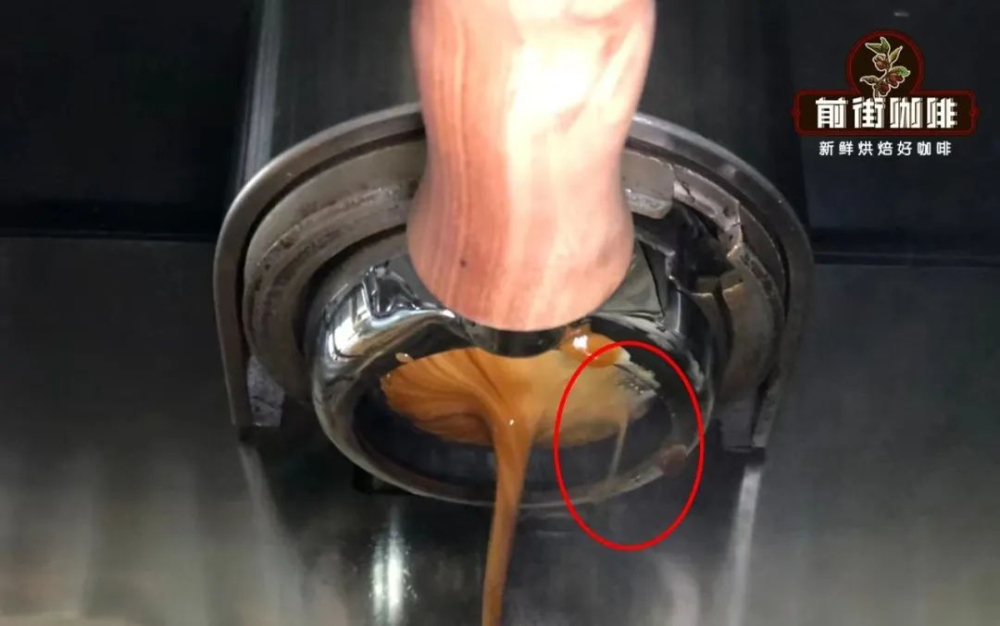
However, if during actual extraction the water flow direction becomes erratic, splits into multiple paths, changes speed abruptly, or even splashes, these may all be signs of channeling within the puck. The root cause is that water does not uniformly contact every coffee particle but instead seeks the "path of least resistance." The areas where water concentrates and flows through are what we call "channels."
So why do channels form? Common reasons include uneven distribution of coffee grounds, resulting in an uneven puck surface; inconsistent or angled tamping pressure, causing variations in puck thickness; and issues such as grind size being too coarse or too fine, or an improper coffee dose relative to the portafilter basket capacity, which can exacerbate the problem. Additionally, cracks on the puck surface or irregular compaction during tamping make it easier for water to find loose spots and take "shortcuts."
Channeling not only disrupts the extraction process but also directly affects the final flavor of the coffee. In those channelled areas where water flows too quickly, coffee grounds are over-extracted, often releasing excessive bitter and undesirable compounds, sometimes even with a noticeable burnt taste. Conversely, areas barely touched by water are under-extracted, retaining too many unexpressed acidic and raw bean flavors, resulting in sharp, sour, thin, or even metallic or salty off-notes. When both extremes coexist in the same cup, the overall flavor becomes chaotic, layered poorly, and fails to present the clear, balanced characteristics of quality coffee.
Beyond flavor impairment, channeling also leads to inconsistent results with each extraction. Even when using the same coffee beans and maintaining consistent grind size and extraction parameters, slight differences in channel location and severity can lead to vastly different tasting outcomes. For baristas who prioritize consistency or home brewers aiming for precision, this poses a significant barrier to quality improvement.
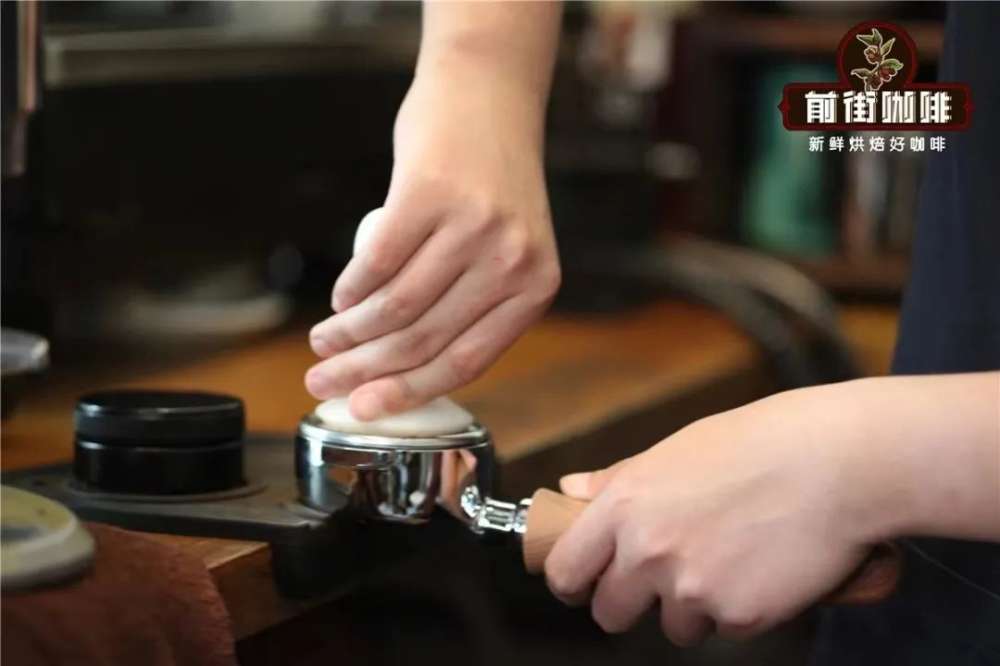
To effectively reduce channeling, operational details are crucial. First,during the distribution stage, it is recommended to use a professional distribution tool to ensure the coffee grounds are spread evenly and flatly in the portafilter basket,avoiding manual stacking or unevenness. Next, when tamping, always keep the tamper perpendicular and apply steady, moderate pressure to ensure the puck is compact and of uniform thickness, avoiding tilting or cracking. Moreover, selecting a grind size and dose that match the characteristics of the coffee beans is also a key factor affecting puck uniformity.
In practice,the bottomless portafilter is one of the most effective tools for visually identifying channeling.By observing the shape and speed of the water flow during extraction, you can promptly identify issues and adjust distribution, tamping, or grind settings accordingly. (Diagrams can assist in comparing normal and abnormal scenarios.)The icons can help visualize the comparison between normal and abnormal conditions.)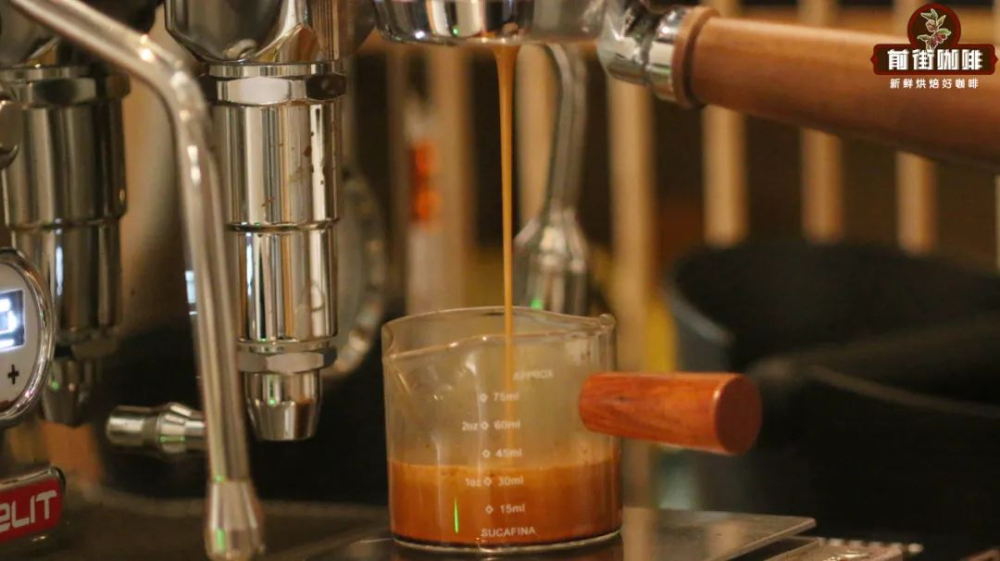
It is also advisable to use freshly roasted coffee beans with an appropriate rest period. Overly fresh beans, due to intense degassing, can create unstable airflow and water flow at the start of extraction, thereby increasing the likelihood of channel formation. Using well-designed portafilter baskets and auxiliary tools can further enhance overall extraction uniformity and stability.
In summary, although channeling is a common physical phenomenon in espresso brewing, its root lies in the uneven structure of the coffee puck, and it is directly reflected in the flow behavior and flavor profile of the extracted coffee. Only by understanding its causes and adjusting and optimizing the operational process and equipment selection can this issue be gradually reduced, bringing each shot closer to the ideal state of balance, cleanliness, and layered complexity.
The above content is compiled by CoffeeHunters, a coffee news website.


