








Introduction:Opening a coffee shop is not just about a love for coffee. From initial planning, securing funding, choosing a location, to purchasing equipment, designing the menu, and arranging staff, every step affects the stability and success of future operations. This article will guide you through the complete process of opening a coffee shop, including how to allocate startup capital, control daily operating costs, and manage often-overlooked aspects such as licenses and supply channels. It will help you master practical strategies and take the first step toward entrepreneurship smoothly.
Wanting your own coffee shop takes more than just passion. From market positioning, menu planning, and location evaluation, to budgeting, equipment configuration, and obtaining legal permits, every step is crucial. This article provides a comprehensive breakdown of each phase from preparation to opening, helping you advance your plan in an orderly manner. Whether you’re just at the idea stage or already in active preparation, you’ll find useful and concrete references here.
Before diving into opening a shop, the first task is to clarify your business mindset. Running a coffee shop isn’t about leisurely brewing coffee every day—it’s a business that demands full commitment. You need to understand not only coffee brewing techniques but also practical aspects such as cost control, staff management, and daily operational procedures. It’s recommended to work at a well-run café first to observe the off-bar operations, such as customer service, inventory management, and cleaning maintenance. These hands-on experiences are often more valuable than simply practicing pour over and can help you build connections for future management.
When it comes to positioning your coffee shop, it’s advisable to start with the six Ws and two Hs: Why open the shop (Why), what products to focus on (What), when to open (When), who the target customers are (Who), who the operator is (Whom), where the location will be (Where), as well as how to run the business (How to) and how much capital is needed (How much). Clearly answering these questions helps you create a shop with a distinctive personality and reduces the risk of failure due to impulsive decisions.
The menu is the soul of a coffee shop and the first step in attracting customers. It’s recommended to start planning the menu early in the entrepreneurial process, rather than making hasty decisions close to the opening date. When designing the menu, consider the local food culture, consumer habits, and how to differentiate from nearby competitors to develop a beverage lineup that meets local needs. For pricing, you can refer to the cost rate formula: Cost Rate % = (Cost of Ingredients ÷ Selling Price) × 100%. It’s generally advised to keep this under 30%. However, in addition to ingredients, other expenses such as rent, salaries, utilities, etc., should also be factored in to determine a reasonable price range.
Choosing the right location is key to the success or failure of the business. It’s recommended to visit the target area multiple times to evaluate foot traffic, surrounding competition, the characteristics of the consumer demographic, and the reasonableness of the rent. In addition to confirming whether the site allows for food and beverage use and whether utilities such as water and electricity are stable, you should also pay attention to renovation restrictions and lease terms to avoid unnecessary issues later on.

Financial planning is one of the most important preparations before opening a shop. The costs involved in opening a coffee shop include rent, decoration and equipment purchases, marketing and promotion, raw material procurement, and basic operating capital. It’s recommended to prepare a detailed budget in advance, clearly outlining each expense to avoid operational disruptions due to insufficient funds.
Fixed expenses after opening mainly include rent, labor costs, and even depreciation of decoration and equipment. It’s advisable to calculate these on a monthly basis. Business revenue can be estimated using the formula: Average Spending per Customer × Daily Customer Traffic. Daily customer traffic can be evaluated based on Seat Count × Table Turnover Rate × Seat Utilization Rate or Store Foot Traffic × Attraction Rate. Additionally, it’s recommended to set a break-even point, calculated as: Fixed Expenses ÷ (1 - Operating Capital ÷ Revenue), to ensure stable operations in the early stages.
Opening a coffee shop requires legally obtaining relevant licenses, among which the Food Operation Permit and Business License are absolutely essential. The application process varies by region, so it’s recommended to plan ahead and allow ample time for approval to avoid delaying the opening.
When it comes to equipment investment, there’s no need to pursue high-end, expensive machines right from the start. It’s recommended to choose cost-effective, basic equipment based on actual operational needs and budget. Once operations stabilize, you can gradually upgrade based on customer feedback and performance, avoiding excessive initial investment in hardware.
The design and layout of the shop should not be overlooked either. Before starting construction, establish the overall style and divide functional areas according to the actual floor space, including customer flow and staff flow. The arrangement of the counter and seating area should balance efficiency and customer comfort—for example, the placement of counter equipment should facilitate quick service, and seating spacing should avoid crowding to create a comfortable dining atmosphere.
For material procurement, whether it’s coffee beans, milk, or other consumables, always choose suppliers with legitimate production qualifications to ensure product quality and food safety. It’s recommended to establish stable partnerships and regularly review inventory to prevent waste or stockouts.
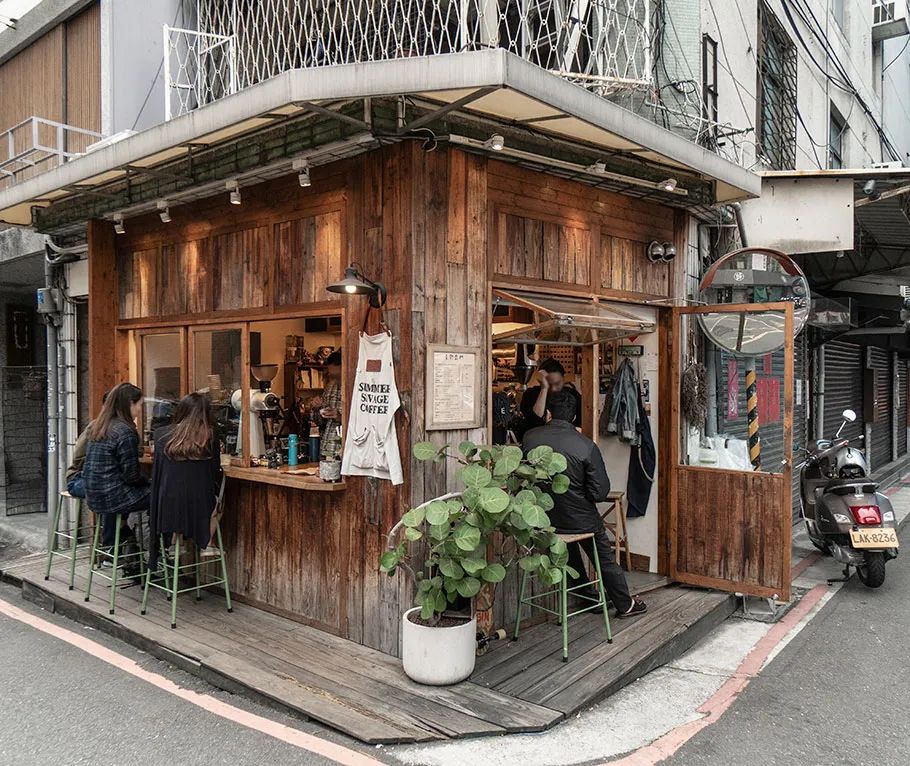
The final pre-opening inspection is equally important. This includes ensuring all equipment in the counter, kitchen, seating area, and restrooms is functioning properly, that ingredients and materials are fully stocked and within their shelf life, and that the cash register system and staff are fully prepared. These details are critical to ensuring smooth operations on opening day.
Finally, no matter your management style, providing warm and professional service is always the foundation of a successful coffee shop. Good service not only enhances customer satisfaction but is also key to building brand reputation and long-term loyalty. Get every detail right, and you’ll be well on your way to running a successful coffee shop.
The above content is compiled by CoffeeHunters, a coffee news website.


