







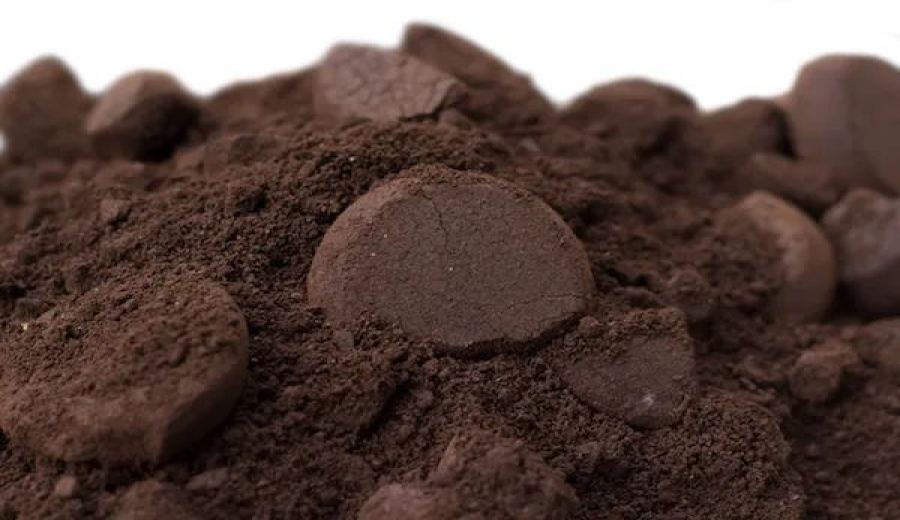
Introduction:The massive amount of coffee grounds produced globally each day is often handled through energy-intensive methods that may even increase carbon emissions. Japanese scientists have made a breakthrough by using koji fermentation technology to transform waste coffee grounds into ready-to-eat chocolate rich in fiber and antioxidants, while retaining a strong coffee flavor. This article delves into the environmental value, nutritional highlights, and the actual flavor profiles of three different sweetness levels of this innovative product.
Globally, around 2.25 billion cups of coffee are consumed daily, generating a significant amount of coffee grounds. In the past, these were often reused through deodorization, grinding, or furniture production, but such methods usually require preliminary drying — a process that can actually release carbon dioxide. Japanese scientist Tetsuji Ishigaki took a different approach, developing a new technology that uses koji mold to ferment coffee grounds, then combines it with cocoa butter to solidify into an edible "coffee grounds chocolate" — COLEHA.
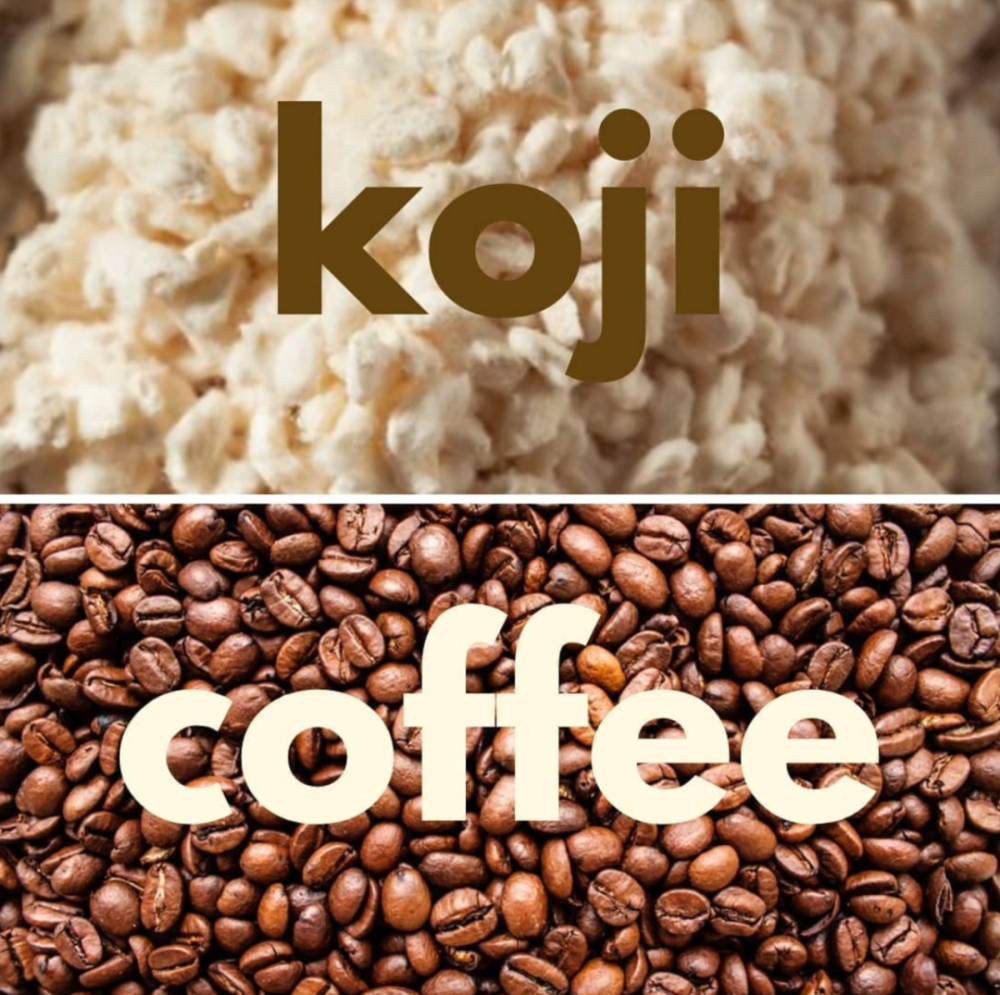
The key to this innovative process lies in the use of koji mold.Koji mold is commonly used in the production of fermented foods such as sake and soy sauce.It can break down the tough lignocellulosic fibers in coffee grounds while producing various enzymes that convert proteins into amino acids, significantly enhancing the richness and umami of the flavor.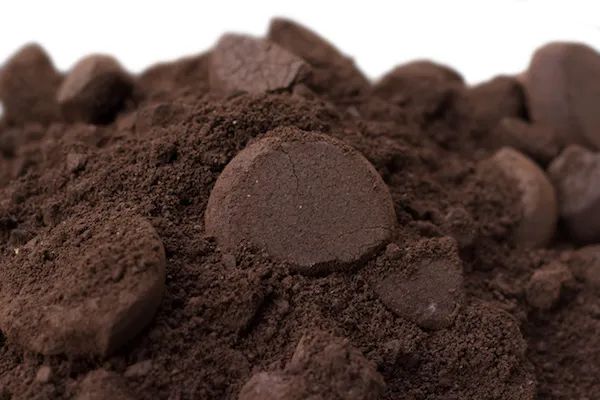
Laboratory data shows that the fermented coffee paste hasabout three times the amino acid content of raw coffee beans,and its polyphenol and antioxidant levels are up to 1.6 times higher than those of regular coffee. Additionally, 94% of the coffee paste consists of insoluble fiber, which helps promote gut health. In terms of caffeine, each 22-gram piece of COLEHA contains about 50 milligrams, equivalent to roughly 60–70% of a standard pour over coffee (15 grams of coffee grounds brewed at a 1:15 ratio to yield 225 milliliters), making it generally suitable for afternoon consumption without affecting nighttime sleep.
The fermented coffee paste undergoes pasteurization before being mixed with cocoa butter and solidified into shape. Currently, COLEHA is available in limited quantities, offering three sugar levels: 0%, 10%, and 40%.The sugar-free version delivers a pure dark chocolate coffee flavor, with a slight acidity unique to high-quality beans.The 10% sweetness version incorporates fruity and creamy notes, while the 40% sweetness version showcases a distinct caramel-like sweetness. Since its launch five months ago, this innovative chocolate has received consistently positive feedback from consumers.
Tetsuji Ishigaki’s research highlights the deep roots of fermentation techniques in Asian food culture. Japan’s long-term exploration in natural fermented health foods, combined with the characteristics of koji mold, allows approximately 115 pieces of COLEHA (each 22 grams) to be produced from one kilogram of coffee grounds. If this technology can be widely adopted, it could not only effectively reduce the carbon emissions associated with coffee ground disposal but also potentially open up a brand-new market for sustainable food products.
The above content is compiled by CoffeeHunters, a coffee news website.


