







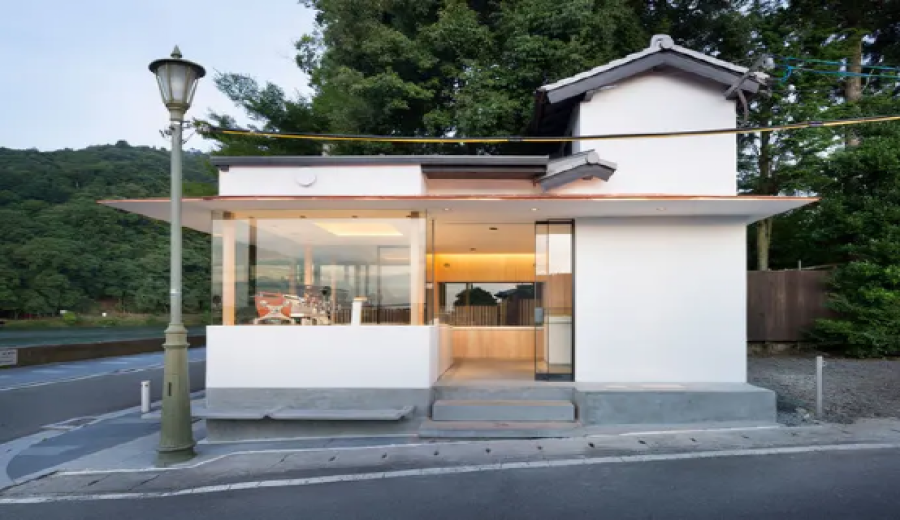
Introduction:Once a viral sensation thanks to its iconic architectural design, %Arabica now faces the dual challenges of fading brand allure and product homogenization. This article delves into its transformation from a niche specialty brand to one of rapid expansion, examining the decline in spatial design appeal, the lack of popular offerings such as pour over coffee, and comparing its strategy with that of domestic brands like MANNER and SEESAW, offering practical insights for readers tracking coffee market trends.
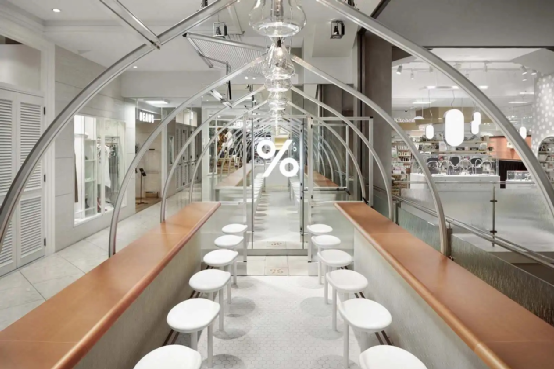
Once renowned for its minimalist percent symbol logo that sparked a social media check-in craze, %Arabica quickly rose to fame with its highly design-forward store spaces. However, as the brand accelerated its store openings—shifting locations from art galleries and boutique street corners to higher-traffic shopping malls and office buildings—its originally cultivated image as a premium coffee brand has gradually faded. Compared to competitors like MANNER and SEESAW, which emphasize product diversity, %Arabica has long maintained a simple selection of coffee bean origins and beverage menus, and has appeared stagnant in development by not keeping up with the pour over coffee trend.
Looking back at the brand’s trajectory, %Arabica was founded in 2013 in Hong Kong, China. Despite its distinctly Japanese minimalist aesthetic, it did not originate in Japan. Its early growth was steady, but it wasn’t until founder Kenneth Shoji collaborated with world latte art champion Junichi Yamaguchi and renowned architect Koji Kato that explosive growth followed. Its design, dominated by white and natural wood tones paired with large floor-to-ceiling windows, successfully attracted a wave of check-in crowds, even earning it the nickname “a design studio distracted by coffee.” Its first mainland China store opened on Wukang Road in Shanghai, drawing massive queues on its opening day—a testament to the powerful draw of its spatial charm.
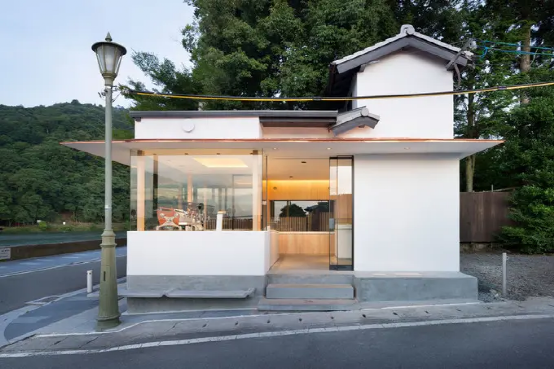
To date, %Arabica has expanded to 109 stores across 17 countries and regions, with 57 of them located in the Chinese market. The brand’s most well-known offerings remain espresso-based, including various milk coffees, Americanos, as well as non-coffee beverages like lemonade and sparkling water, with coffee beans also available for sale. But compared to other specialty coffee brands, the options are noticeably limited: while Luckin Coffee, though commercial in orientation, has launched innovative flavors like Coconut Latte and Meteorite Latte; similarly positioned premium brands like MANNER and SEESAW not only offer pour over coffee options but also feature more diverse coffee bean origins, catering to today’s consumers’ pursuit of flavor and origin traceability.
In post-pandemic China’s coffee market, consumer demand for product diversity and personalized experiences is growing. Even Blue Bottle Coffee, another brand with viral appeal, recently drew long queues upon entering Shanghai, highlighting the market’s emphasis on novelty and distinctive service. In contrast, as %Arabica shifts its expansion strategy toward commercial districts and high-traffic areas, its original niche premium image has gradually blurred, and its once-dominant网红光环 is no longer as strong. The brand’s early preference for selecting locations in refined art galleries or unique street corners has now given way to more pragmatic choices like shopping malls and office business districts—broadening its target customer base but also sacrificing part of its original brand character.
On the product front, %Arabica’s lack of variety is even more pronounced. Beyond standard milk coffees and Americanos, the brand rarely introduces seasonal or regionally distinctive flavors, and its coffee bean selection has remained largely unchanged for a long time. Although it has attempted to connect with customers through latte art competitions and workshops, these activities have had limited impact on enhancing overall consumer awareness of specialty coffee. Notably, pour over coffee has become a new favorite in the market in recent years, with brewing techniques and bean variety introductions frequently circulating on social platforms. Coffee beans from China’s Yunnan region have also gradually gained attention for their unique flavors. Well-known brands including Blue Bottle and Starbucks have all released pour over coffee tutorial videos, actively competing for a share of this market, yet %Arabica remains almost absent in this area.
Meanwhile, China’s domestic specialty coffee brands are rapidly expanding their store networks through multiple rounds of funding, adopting flexible location strategies and diverse product approaches, demonstrating resilience even under the impact of the pandemic. Take Starbucks as an example: its same-store sales in the first quarter of fiscal year 2022 dropped by 14%, underscoring the intensifying competition across the market. In such an environment, if %Arabica fails to break out of its current product framework and strengthen its differentiating advantages, its future development in the Chinese market will face even greater challenges.
The above content is compiled by CoffeeHunters, a coffee news website.


