







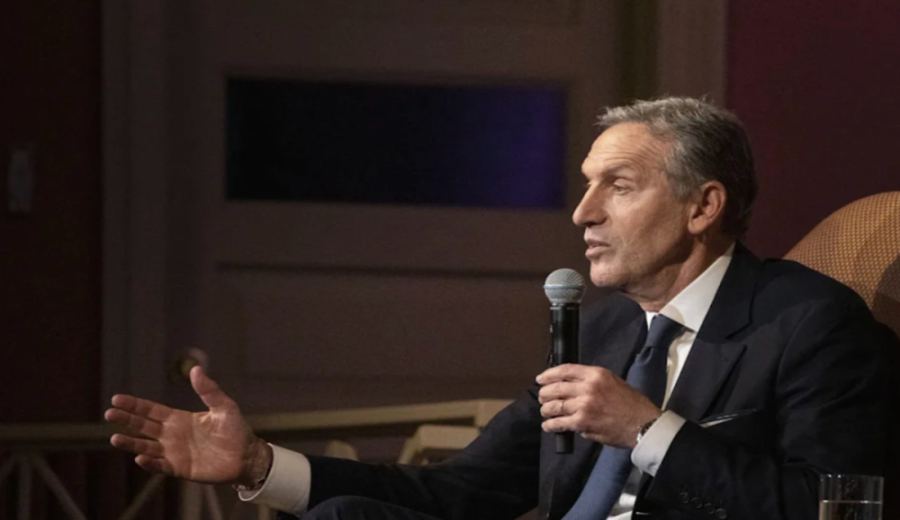
Introduction:Howard Schultz, Starbucks' interim CEO, recently revealed in an employee video that previous management's short-sighted decisions led to issues such as inadequate staff training, chaotic scheduling, and delayed equipment repairs. He pledged to prioritize three core reforms. This article details how Schultz is tackling Starbucks’ operational challenges through personnel, compensation, and management improvements, while analyzing market reactions and stock price impacts to his strategy.
Howard Schultz, Starbucks' interim CEO, recently addressed all employees in a video, directly pointing out that multiple short-term decisions made by the previous management team over the past few years have not only had long-term negative effects on the company but have also turned many promises to employees into empty commitments. In the video, he stated that recent interactions with employees across the United States yielded substantial feedback, showing significant dissatisfaction with past management practices.
Schultz emphasized that while the previous leadership’s decisions may have brought some short-term financial improvements, they sacrificed employee experience and the foundational elements of the company’s long-term development. He noted that the most urgent task at hand is to completely reverse this trend and rebuild employee trust in the company.
Although Schultz did not disclose specific reform details in the video, he clearly stated that Starbucks will focus on making more long-term beneficial decisions while ensuring that employees can feel tangible improvements in the short term. He specifically promised that every commitment the company makes to its employees will be fulfilled, no longer remaining merely symbolic.
According to Schultz, the most common issues raised by employees recently include: an insufficient training system that fails to effectively improve service quality; an unreasonable scheduling system that affects work-life balance; and a compensation and benefits structure that needs adjustment to better attract and retain talent. Additionally, many stores reported that essential equipment for daily operations—such as ice machines and espresso machines—often face repair funding shortages or delayed follow-ups even after maintenance requests are submitted, severely impacting operational efficiency and customer service quality.
To address these issues, Schultz made it clear that Starbucks will prioritize three key areas: staff training, compensation and benefits, and overall internal management mechanisms. These changes aim to resolve long-standing issues that have hindered company performance and lay a more solid foundation for sustainable future growth.
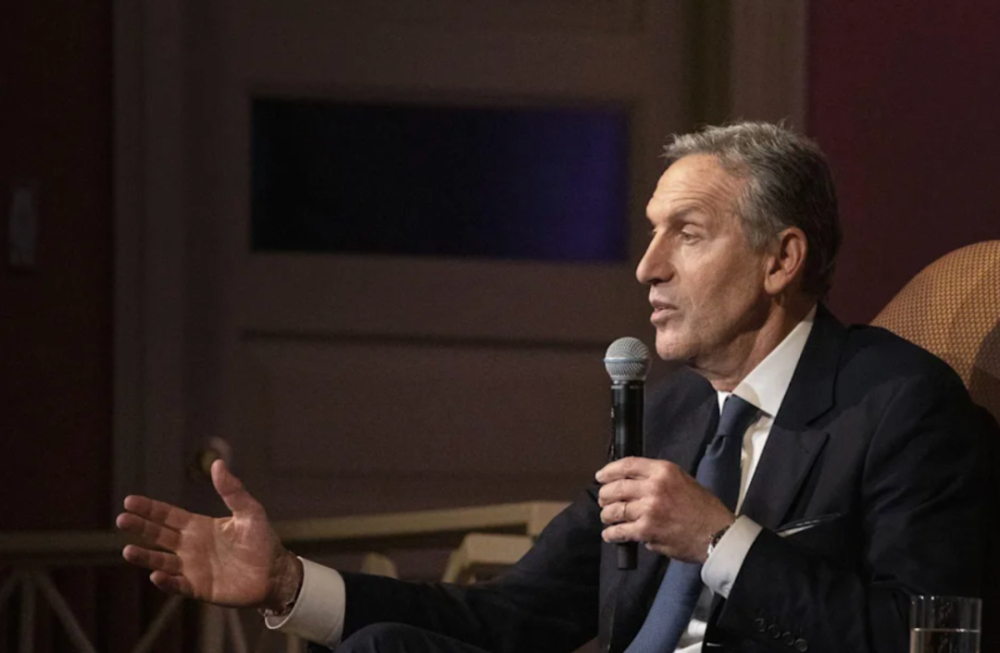
The backdrop to these reforms began when former Starbucks CEO Kevin Johnson announced his retirement, leading the board to appoint Howard Schultz as interim CEO until a permanent successor is found. On his first day in the role, Schultz demonstrated his determination to reform by immediately halting the stock buyback program and swiftly terminating former Chief Legal Officer Rachel Gonzalez.
Notably, the fired legal officer had overseen stock buyback-related matters over the past year and was reportedly compensated up to $5.3 million in the process. Her position is currently being temporarily filled by board member Zabrina Jenkins.
However, the market has responded mixed to Schultz’s series of decisive measures. Some investors are concerned that these strategies, which emphasize internal reforms and employee welfare, may put short-term pressure on the company’s profit margins. In fact, since Schultz’s return, Starbucks’ stock performance has remained under pressure, having cumulatively dropped 32% as of April 14, compared to just a 7.8% decline in the S&P 500 index over the same period.
Furthermore, in response to the escalating unionization movement, although Schultz did not directly propose specific solutions in the video, he stressed that he would seriously listen to the opinions and suggestions of partners (i.e., employees) and promised to actively address their practical concerns rather than focusing solely on surface-level or idealistic ideas.
At the end of the video, Schultz concluded: “We still have a lot of work to do. Therefore, we must redraw the plan—not only to solve internal issues but also to quickly enhance the experience for customers, partners, and third parties.” This statement shows that he is not only focused on internal reforms but also plans to comprehensively improve Starbucks’ overall service experience and market competitiveness.
The above content is compiled by CoffeeHunters, a coffee news website.


