







Introduction:In recent years, from Starbucks to Luckin Coffee, major coffee and tea beverage brands have used limited-edition merchandise as a marketing highlight to attract consumer attention. Cup sleeves, hair clips, and even co-branded perfumes and candles—these seemingly trivial giveaways have become emotional touchpoints between brands and customers. This article delves into how brands stimulate consumption through non-monetary promotions and analyzes successful cases like Three Squirrels’ “Return Plan,” helping you understand the marketing psychology and brand strategy behind this wave of the “freebie economy.”
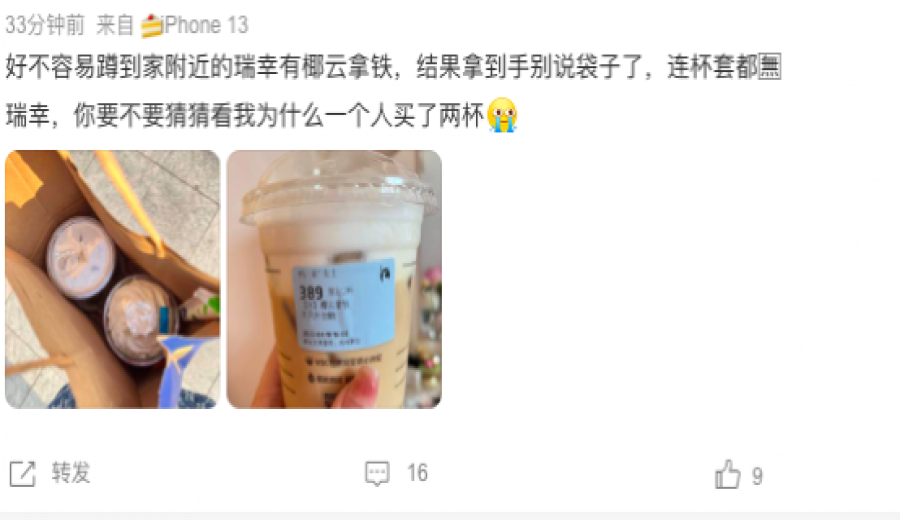
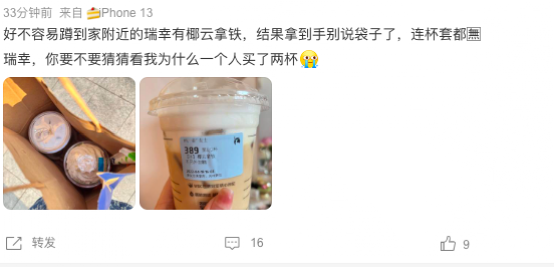
In today’s tea and coffee market, when choosing a beverage, consumers no longer focus solely on taste. More and more people are paying attention to whether they can receive exclusive branded merchandise. From Luckin’s Coconut Cloud Latte to various brands’ limited co-branded campaigns, an increasing number of consumers admit that they are drawn to purchase by beautifully designed cup sleeves, paper bags, or themed hair clips. Even on social media platforms, posts showcasing merchandise far outnumber those discussing the flavor of the drinks, showing that the influence of these small items should not be underestimated.
Some netizens even go so far as to repeatedly buy the same drink just to collect different series of co-branded giveaways. This phenomenon is reminiscent of childhood days when we collected cards from crispy snacks, or the classic scene in the TV show “Foreign Daughter-in-Law, Local Son-in-Law” where characters bought large quantities of crispy snacks just to complete a set of hero cards. Today, this “collectible card-style consumption” psychology has been successfully transplanted into the modern tea and beverage market, becoming a powerful tool in brand marketing.
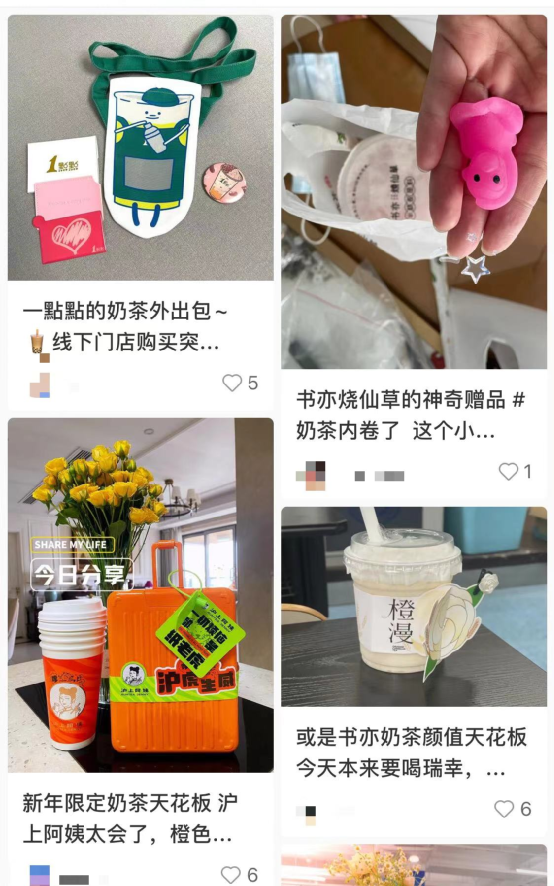
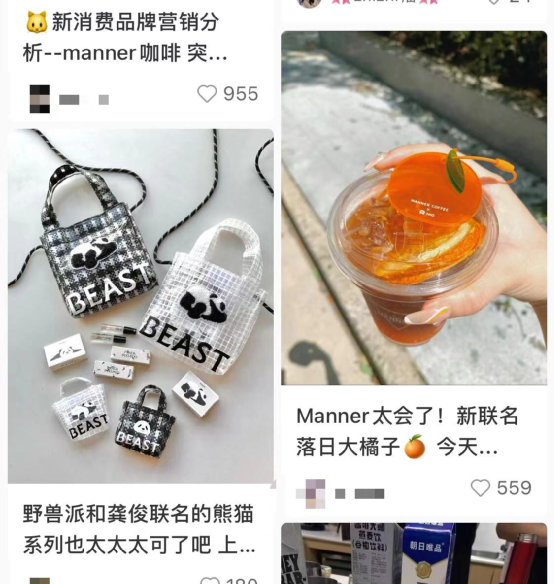
Not only tea beverage brands—such as Shanghai Auntie’s milk tea-shaped suitcases, CoCo’s cherry blossom straw covers, and Shu Yi’s floral hair clips—but also coffee brands have actively joined this merchandise battle. For example, items shared by users on Xiaohongshu like freeze-dried coffee powder bundled with coffee-scented candles, Tims’ limited-edition knitted coin purses, MANNER’s tumblers and co-branded bags, and even the beautifully designed keychains included, have all become hot topics among consumers. Even the refrigerator magnets offered by Hema Coffee, which are both practical and memorable, have received widespread praise.
When faced with a dazzling array of merchandise, consumers often unconsciously start “collecting items.” Some even resell these giveaways on platforms like Xianyu, creating an alternative secondary market. You might not realize it, but a low-cost hair clip could be quietly driving consumers to repeatedly buy cup after cup of milk tea—that’s the result of a carefully calculated non-monetary promotional strategy.
Traditional coupons or discounts may boost sales in the short term, but they often devolve into price wars and do little to benefit a brand’s long-term image. In contrast, merchandise promotions are a form of non-monetary psychological incentive. When consumers receive free or low-cost added value, they often feel like they’ve “gotten a good deal,” thereby increasing their willingness to buy. More importantly, well-designed giveaways can deepen a brand’s impression in consumers’ minds and even foster an emotional connection.
Among many brands, Starbucks’ merchandise is widely known, but most of it requires an additional purchase and is not cheap, differing from typical giveaway strategies. Observing the market in recent years, it’s clear that more and more brands are opting for a “product + merchandise” combination, allowing consumers to feel they’re getting better value for their money and thus standing out among competitors.
A case worth exploring in depth is Three Squirrels’ “Return Plan.” This campaign encourages consumers to return empty coffee cans to designated recycling points within a specified time frame in exchange for new coffee and limited-edition merchandise. Not only did the campaign successfully attract a large number of participants, but it also sparked a check-in craze on social media, bringing the brand significant exposure and interaction. More importantly, the plan transformed product packaging into reusable collectibles. Consumers even repurposed the small cans as photo props or mini planters, demonstrating surprising secondary creative applications.
Participating in the “Return Plan” also provides consumers with a unique interactive experience, further reinforcing the brand’s eco-friendly image. When consumers visit the recycling points, they’re not just completing a simple exchange—they’re engaging in a dialogue between the brand and social values. This design, which combines aesthetics, practicality, and social responsibility, has become a major trend in today’s brand merchandise strategies.
From a psychological perspective, brand giveaways are not just small gifts—they are an important medium for brands to communicate with consumers. In a competitive market, how to capture consumers’ hearts through thoughtfully designed merchandise giveaways has become a key challenge in brand management. Whether you’re collecting them or simply love those uniquely designed little items, take a moment to look in your drawer—you might be surprised by how many surprises from coffee and tea shops you’ve already collected.
The above content is compiled by CoffeeHunters, a coffee news website.


