







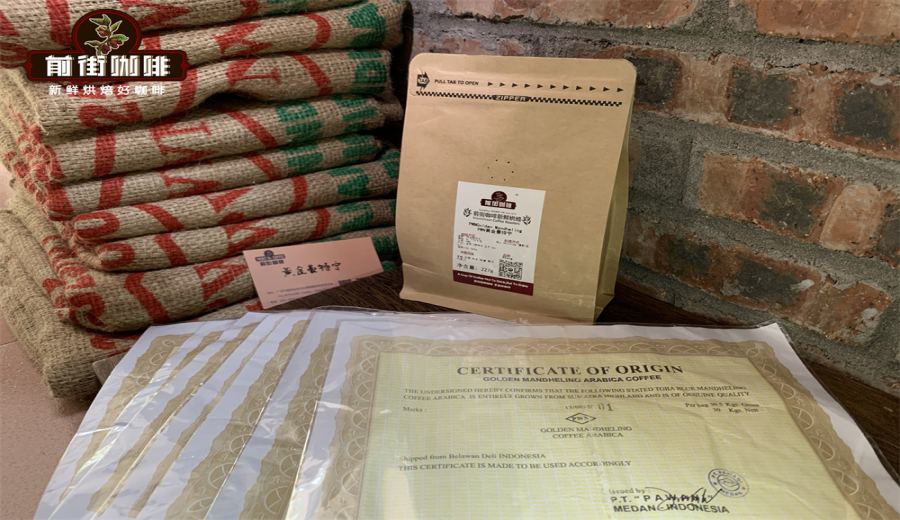
Introduction:Although Mandheling coffee is widely known, the origin of its name is steeped in historical anecdotes. This article delves into how the term “Mandheling” came about due to a linguistic misunderstanding, introduces the rigorous selection process of Indonesia’s Sumatra Golden Mandheling, and provides professional pour over recommendations and segmented brewing techniques to help you better understand the unique charm and brewing essentials of this classic dark roast bean.
When it comes to Mandheling coffee, many coffee enthusiasts immediately think of the dark roast beans from North Sumatra, Indonesia. However, behind this well-known name lies a misunderstanding dating back to World War II. Where does the term “Mandheling” actually come from? And how did it become synonymous with premium Indonesian coffee? This article will take you on an exploratory journey, while also analyzing the selection process and flavor characteristics of Golden Mandheling, along with practical pour over parameters and techniques so you can brew high-quality Mandheling coffee at home.
In fact, “Mandheling” does not refer to a specific coffee variety or growing region, but rather stems from a linguistic mix-up. The story dates back to World War II, when Japan occupied Indonesia. A Japanese soldier tasted an exceptionally flavorful coffee at a local café and curiously asked the shop owner the name of the coffee. However, the shop owner misunderstood the question as being about his own origin and replied “Mandailing,” referring to the Mandailing ethnic group he was from. After the war, the soldier reminisced about the coffee’s taste and commissioned an Indonesian coffee merchant to ship 15 tons of coffee beans to Japan. When asked about the beans’ name, the soldier mistakenly referred to them as “Mandehling.” This misunderstanding led to the gradual spread of the term “Mandheling,” which eventually became synonymous with coffee from North Sumatra, Indonesia. The merchant who helped ship that batch of beans was none other than the now-renowned PWN Coffee Company.
Among the many varieties of Mandheling coffee, the “Golden Mandheling” launched by PWN is regarded as the representative of quality. This coffee undergoes an extremely rigorous selection process, including one mechanical screening and three rounds of manual sorting, ensuring that every coffee bean meets high standards. Through such meticulous selection, Golden Mandheling has an extremely low defect rate, with plump and uniformly sized beans, laying a solid foundation for its subsequent flavor profile.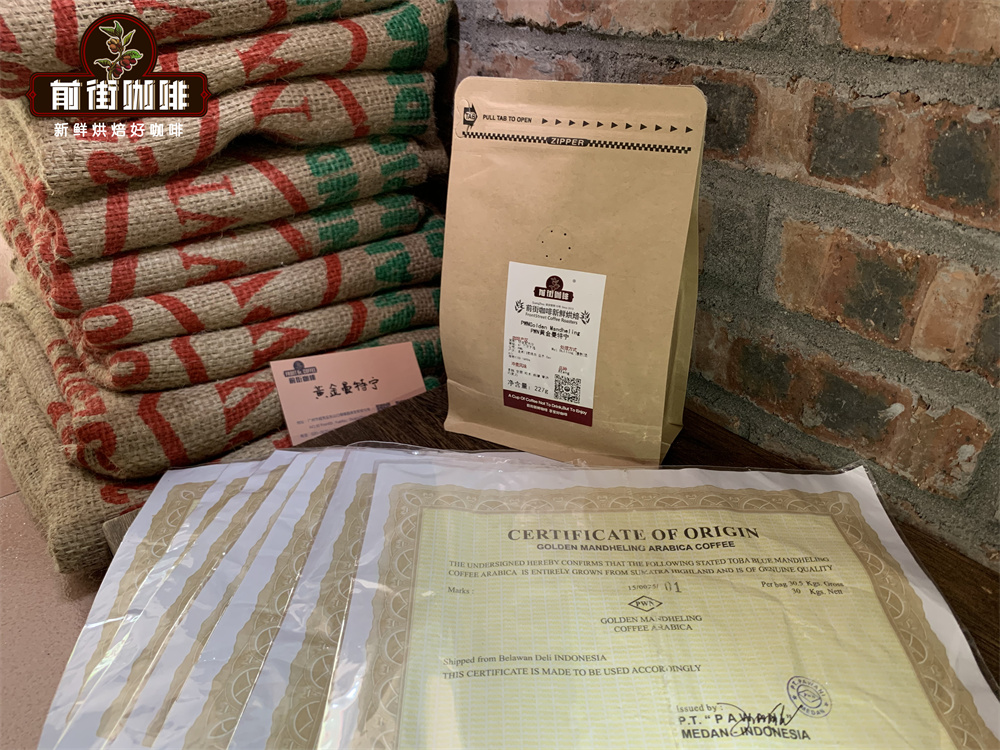
For coffee enthusiasts who enjoy pour over brewing, mastering the correct brewing parameters and techniques is key to bringing out the rich flavors of Mandheling. Taking the recipe commonly used by well-known coffee shops as an example, it is recommended to use a Kono filter, with water temperature controlled at 86°C, a coffee dosage of 15 grams, and a coffee-to-water ratio of 1:15. Here, the grind size is suggested to be around 70% passing through a No. 20 Chinese standard sieve, which is medium-fine — ideal for highlighting the flavors of dark roast beans.
It’s worth noting that there are significant differences between brewing dark roast and light roast beans. Since the dark roast process has already released a large amount of aromatic compounds, using too high a water temperature or too long an extraction time can easily lead to over-extraction, resulting in bitterness or off-flavors. Therefore, it is recommended to use a slightly lower water temperature to balance the flavors and highlight Mandheling’s distinctive richness and low acidity.
In terms of specific brewing techniques, it is recommended to use a segmented extraction method to fully bring out the layered complexity of the coffee. First, pour 30 grams of hot water for a 30-second bloom to initiate the release of aroma from the coffee grounds. Then, pour water in small circles, and pause when the total water volume reaches 125 grams, allowing the coffee bed to drain fully—this takes approximately 30 to 45 seconds. Once the water level drops to just about to expose the coffee bed, continue pouring until the total volume reaches 225 grams, then wait again for the water level to drop. Finally, remove the filter to end the extraction. The entire brewing process should be controlled to around 2 minutes. This method helps balance Mandheling’s sweetness, body, and aftertaste, delivering a smooth and layered drinking experience.
The above content is compiled by CoffeeHunters, a coffee news website.


