







Introduction:After Howard Schultz returned to Starbucks as interim CEO, he swiftly adjusted the company’s strategy—suspending stock buybacks and reallocating funds toward employee benefits and store operations. However, these new benefits exclude stores and partners that have joined unions. This article delves into the legal rationale, managerial shifts, and real challenges faced by unionized store employees, helping readers understand the complexities of Starbucks’ internal benefit policies.
On April 5, Howard Schultz returned to Starbucks and, on his first day as interim CEO, announced the suspension of a multibillion-dollar stock buyback program, redirecting those funds to enhance employee benefits and daily store operations. This move was seen by outsiders as a significant signal of Schultz’s management style shifting from its previously tough stance to one that is softer and more employee-oriented.
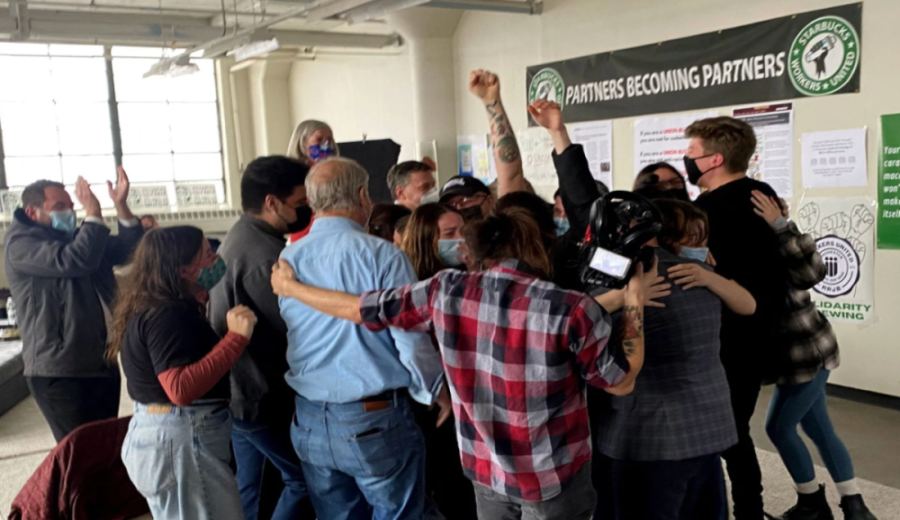
Upon the announcement, some employees at Starbucks stores in the U.S. that had successfully unionized felt energized, believing it was the collective power of the unions that prompted the company to re-examine employee treatment. As a result, shortly after the news broke, more Starbucks employees participated in union votes, choosing to join existing unions in hopes of securing greater labor rights.
In fact, even before officially returning, Schultz had engaged in dialogue with the manager of the first Starbucks store in the U.S. to form a union. In an interview with The New York Times, he admitted that the company had previously failed to effectively assist stores in addressing operational challenges, leading to low employee morale. Such remarks led many union members to look forward to the 2022 Starbucks benefits reform, believing it could improve issues such as staff shortages and working conditions.
However, it is worth noting that although Schultz aims to comprehensively improve employee benefits, these new measures do not apply to unionized partners. From a legal perspective, under U.S. federal labor laws, companies cannot unilaterally adjust the compensation structure and benefits for union members; such changes must be negotiated with union representatives.
On April 13, Schultz further explained during an online meeting with Starbucks store managers across the U.S. that the company is currently conducting a comprehensive review of its existing benefits system, with plans to expand benefit coverage, aiming to reduce employee turnover and enhance the competitiveness of stores in recruiting and retaining baristas. However, he also emphasized that these new benefit policies will not cover stores that have voted to unionize or their union members.
Experts point out that under relevant labor laws, Starbucks does indeed have the right to differentiate the benefits enjoyed by partners based on union membership, but the company must be extremely cautious in its wording.If company executives imply in public that unionized partners receive inferior treatment, it could constitute evidence of “bad faith bargaining” and be regarded as an unfair labor practice.Currently, Schultz is merely stating the legal limitations, and it is still difficult to determine whether his remarks contain potential implications, but such language use still requires extra caution.
Although this adjustment to the benefits policy formally adheres to the basic requirements of the law, compared to Starbucks’ previously hardline resistance to union activities before Schultz’s return, it shows a more moderate and pragmatic shift.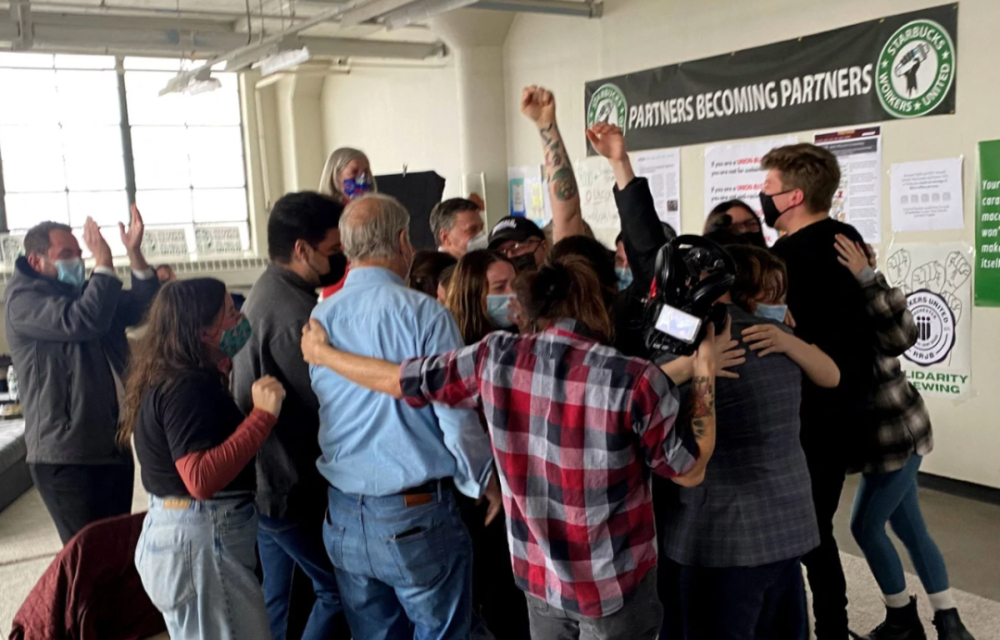
Overall, Schultz’s return not only brought decisions on resource reallocation but also highlighted the complex challenges Starbucks faces in balancing corporate interests, employee needs, and legal regulations. For the broader coffee industry professionals and readers interested in labor relations, this incident provides a practical case for understanding the interaction between modern corporate benefit policies and union operations.
The above content is compiled by CoffeeHunters, a coffee news website.


