







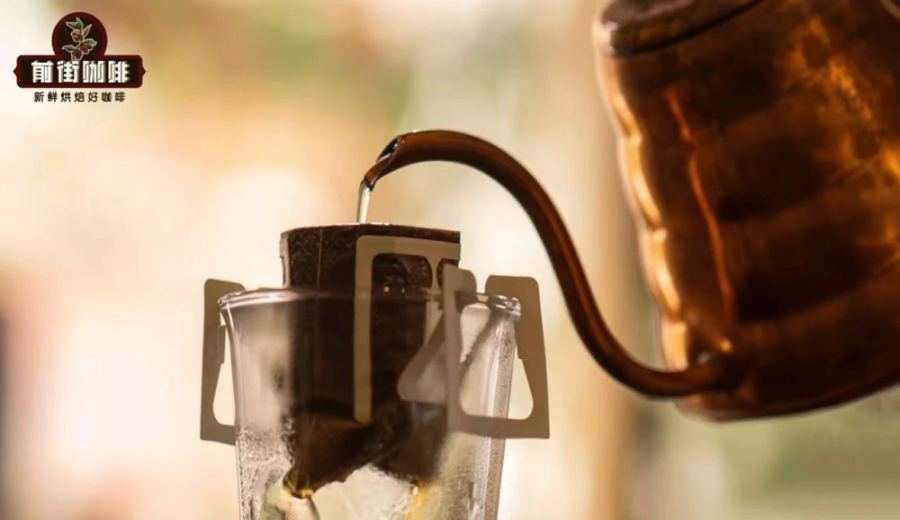
Introduction:As one of the most convenient drip-style coffees, hanging ear coffee allows you to enjoy hand-pour level flavor complexity with just simple tools. However, even though the brewing process seems straightforward, mastering the correct water temperature, coffee-to-water ratio, pouring technique, and equipment selection can significantly enhance the aroma and taste of your coffee. This article will guide you from basic parameters to advanced tips on how to easily brew a balanced and mellow cup of black hanging ear coffee at home.
Hanging ear coffee is the go-to choice for many coffee lovers just starting out with drip brewing—just one pack and a cup of hot water can bring you close to the single-origin flavors of hand-poured coffee. Though it’s easy to use, if you want to approach 70% of the extraction performance of hand-poured coffee, attention to detail is absolutely essential.
The extraction principles of hanging ear and hand-poured coffee are fundamentally similar, so many hand-poured parameters can also be applied to hanging ear coffee. First, regarding grind size, since the coffee in the hanging ear pouches is pre-ground and sealed in filter bags, there's no need for you to grind it yourself. Moreover, most brands use professional grinders, ensuring uniform and consistent particle size and relatively stable quality.
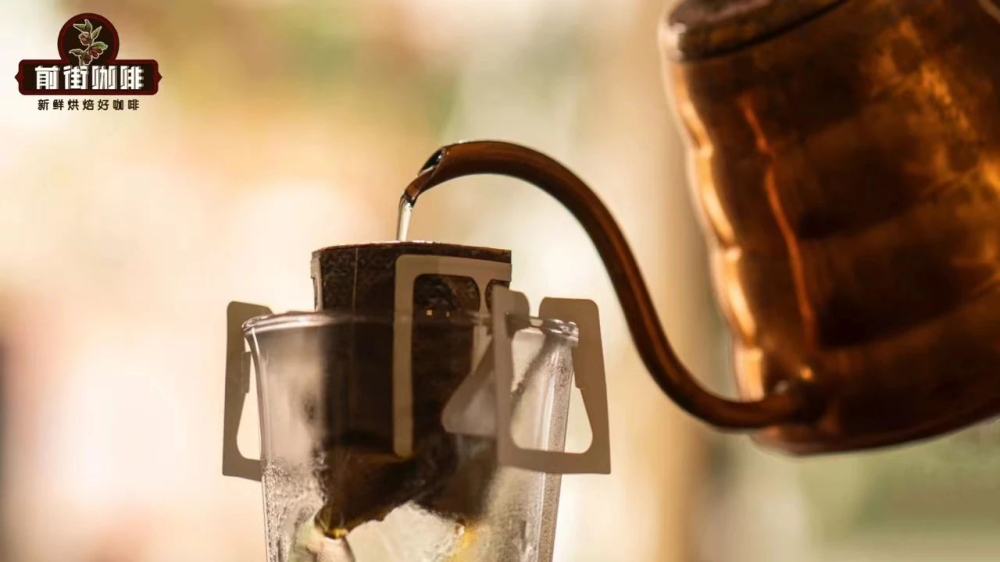
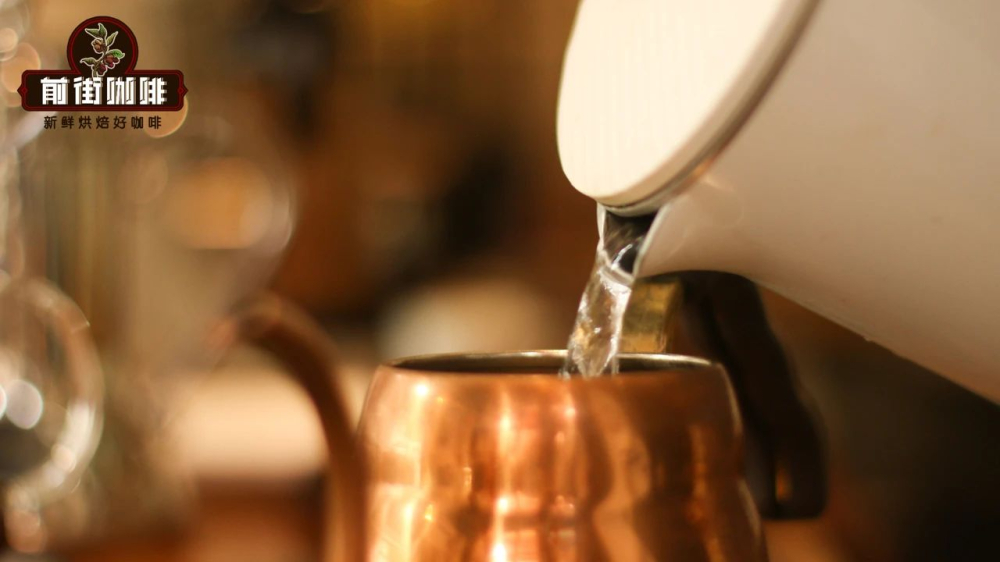
When choosing a brewing water temperature, it is recommended to follow the standard used for hand-poured coffee: for medium to light roasts, it is suggested to use 90 to 93°C water, while medium to dark roasts are better suited to 86 to 89°C. Many people simply use hot water from a water dispenser for convenience, but its temperature is usually only around 80°C, which often results in coffee that is overly acidic and lacks depth of flavor. On the other hand, using freshly boiled 100°C boiling water directly can easily extract excessive bitter and burnt compounds, negatively impacting the overall taste. If you don’t have a thermometer, letting freshly boiled water sit for 1 to 2 minutes before using it allows the temperature to naturally drop to around 90°C, which is the optimal brewing temperature.
The coffee-to-water ratio is key to influencing the strength and flavor layers of the coffee. Many users tend to pour the entire pack of hanging ear coffee (about 10 grams) directly into a full cup of water, often resulting in a coffee that is either too strong or too weak. It is recommended to follow a 1:15 to 1:18 coffee-to-water ratio, meaning the water volume should be controlled between 150 to 180 milliliters . If you don’t have an electronic scale, you can use a marked cup to help control the amount of water.
Additionally, it is advised to use a tall cup with a capacity of 250 milliliters or moreto avoid the hanging ear pouch soaking in the coffee liquid for too long, which increases the risk of extracting bitter and astringent flavors. Proper steeping time and space help achieve a more balanced and smooth flavor.
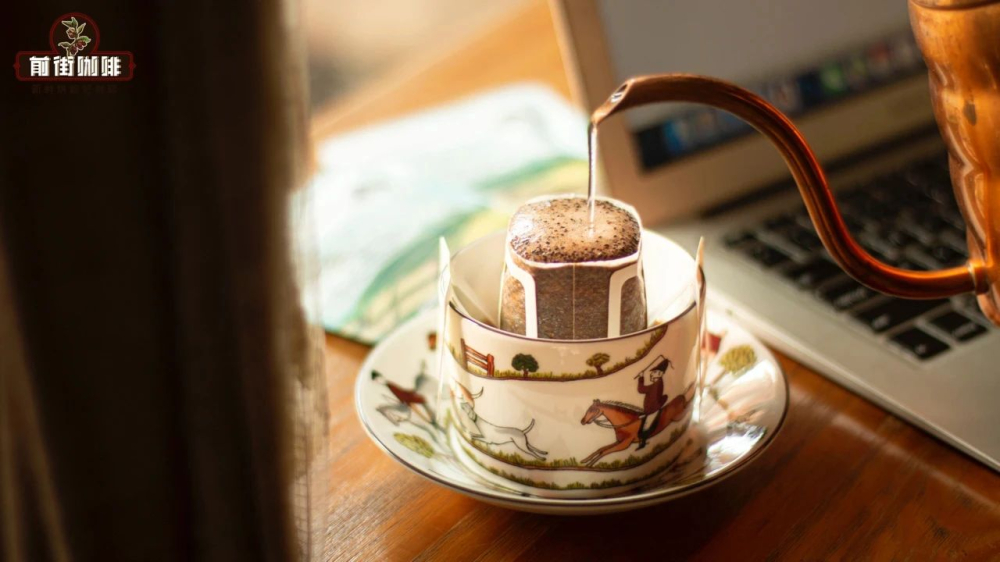
Next is the actual brewing procedure:
1. Prepare a clean cup, the hanging ear coffee pack, and water at the appropriate temperature.
2. Tear open the outer pouch of the hanging ear, take out the inner filter bag, and open it along the marked 'open' line on the packaging. Unfold the two side ears and securely place them over the cup rim.
3. Begin the first pour. It is recommended to pour water up to about half the heightof the filter bag, then let it sit for 10 to 15 secondsto allow the coffee grounds to bloom fully.
4. Proceed with the next three pours. Each time, pour water until the hanging ear bag is about nine-tenths full, and wait until all the coffee liquid has completely dripped through before the next pour. It is generally recommended to do this three times, pouring until nine-tenths full each time. Once all the coffee liquid has dripped out, you can remove the hanging ear bag.
Additional note: The whole process consists of four stages. The first stage only fills the filter bag halfway, and the subsequent three stages are poured to nine-tenths full after the previous coffee liquid has completely dripped out. Based on practical testing, this method results in a total water volume of approximately around 150 milliliters, which aligns well with the recommended coffee-to-water ratio. Using tools with measurement markings or an electronic scale allows for even more precise control of the ratio, further improving extraction consistency.
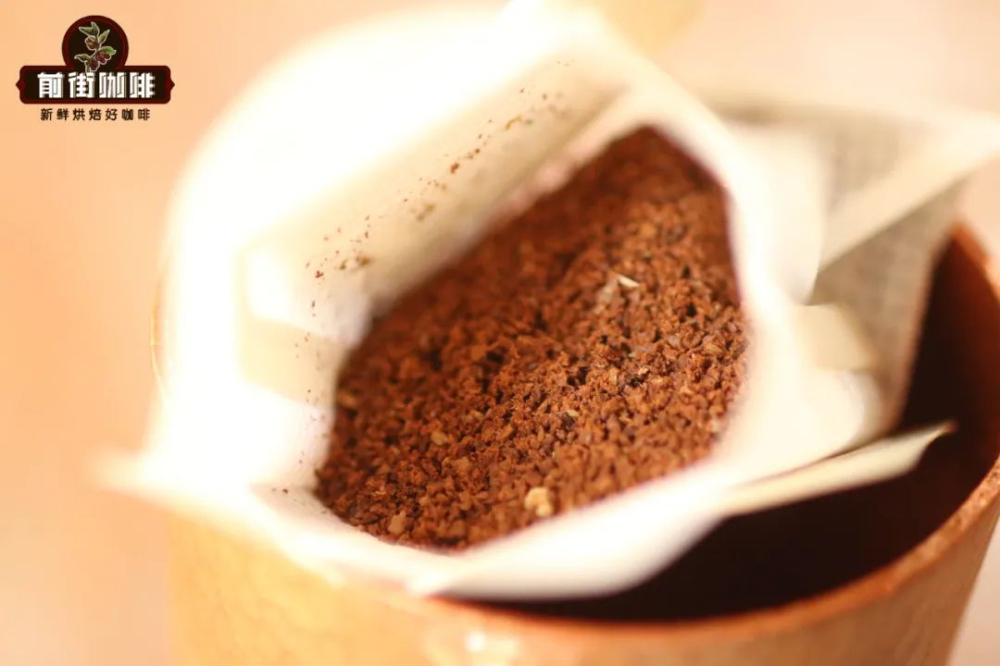
Finally, selecting a hanging ear coffee that suits your personal taste is also an important part of enjoying a delicious cup of black coffee. There are many hanging ear products on the market, covering various regions and processing methods, offering different flavor profiles. Choosing a bean variety that matches your preferences can make the brewing process smoother and more enjoyable.
Common flavor types include: for those who enjoy fresh floral notes, options such as Ethiopian washed Yirgacheffe , which features jasmine and citrus tones, are great choices; for those who prefer bright fruit acidity,Costa Rica Tarrazu or Colombia Huila are both excellent options; if you’re drawn to rich and bold styles,Indonesia Lintong Mandheling,Brazil Cerrado , and other medium to dark roast beans can meet your needs; for those seeking balanced flavors,Yunnan small-grain coffee or Guatemala Huehuetenango are both highly recommended.
The above content is compiled by CoffeeHunters, a coffee news website.


