







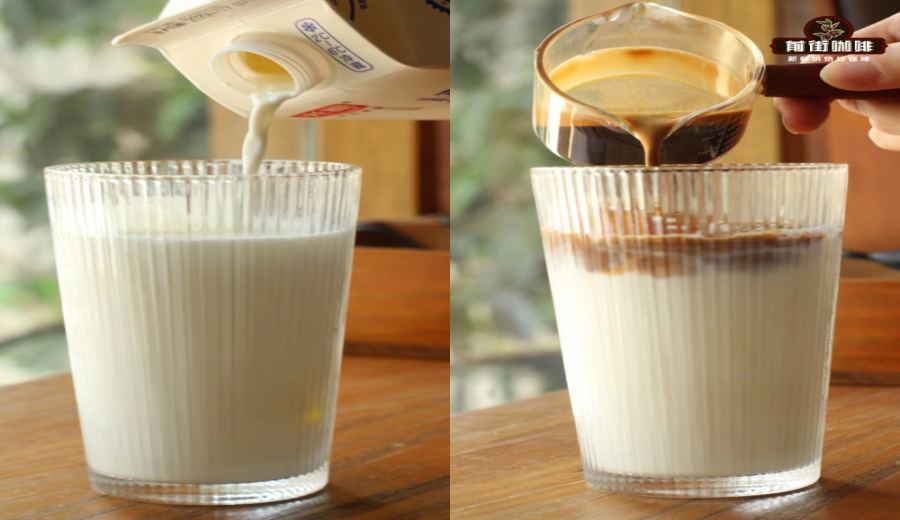
Introduction:To make a SOE latte with distinct flavors at home or in a café, every step—from selecting the right single-origin beans, mastering the extraction techniques for light-roast beans, to precisely controlling the ratio of coffee to milk—affects the final taste. This article delves into the differences between SOE and Italian-style blends, helps you understand the challenges of extracting light-roast beans, and provides professional-grade parameters such as dosage, brew time, and milk foam details. Learn how to consistently replicate a fragrant, sweet, and vibrant SOE hot latte.
The latte is an entry-level coffee for many people, made with espresso and milk. The milk not only softens the intense bitterness of the espresso but also gives the drink a smooth and sweet character, making coffee more approachable. However, if you want to take on the challenge of a SOE latte with richer flavor layers, there’s quite a bit to learn—from bean selection and brewing methods to the ratio of milk to coffee liquid.
SOE, short for Single Origin Espresso, refers to "single-origin espresso," which differs from common Italian-style blends. Blends typically combine beans from multiple regions, using complementary flavors to produce a stable and rich taste, especially suitable for large-scale commercial settings. In contrast, SOE emphasizes the uniqueness of a single origin, often using light-roast beans that better showcase the fruitiness, floral notes, or sweetness inherent to the beans from that region, resulting in clearer and more distinctive flavors.
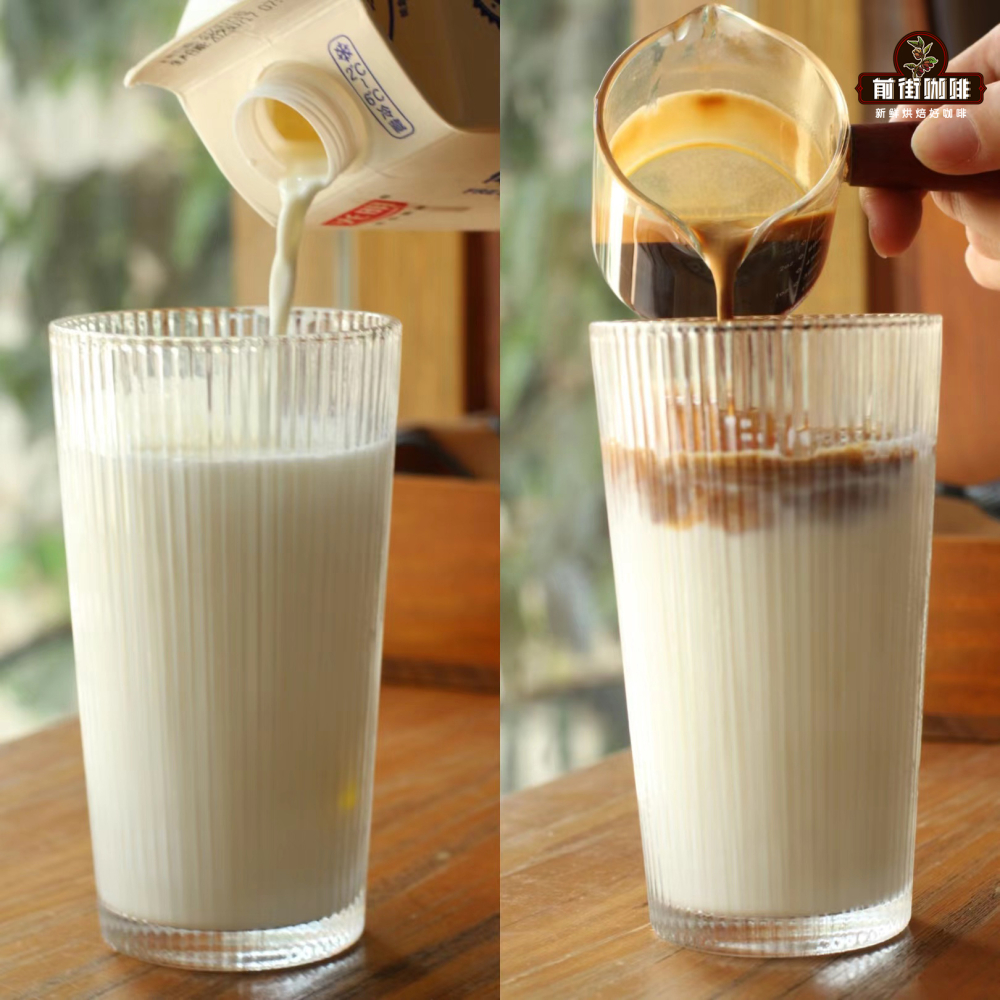
However, light-roast beans present relatively greater challenges in extraction. Due to the lighter roast level, the internal structure of the beans is denser, and flavor compounds are not easily released. Adding a large amount of milk directly can easily mask the coffee flavor, making the overall taste thin. Therefore, to ensure that a SOE latte retains the unique character of the single-origin beans while maintaining a balanced milk flavor, it’s essential to precisely control everything from extraction parameters to milk ratio.
In practice, it’s recommended to set the ratio of coffee liquid to milk in a SOE latte at around 1:5. At this ratio, the sweetness of the milk highlights the delicate flavors of the SOE beans without completely overpowering the essence of the coffee. If you prefer a stronger coffee flavor, you can slightly increase the proportion of coffee liquid, but it’s advised not to go below 1:4, to avoid the milk dominating the overall profile.
Take the Strawberry Sugar Geisha blend from Costa Rica as an example. This bean uses a raisin honey processing method, delivering prominent aromas of rose, preserved fruit, and strawberry candy—making it highly suitable for making a SOE latte. Below, we’ll detail the actual extraction process and parameter settings used in-store for this bean, providing coffee enthusiasts with a reference for practice.

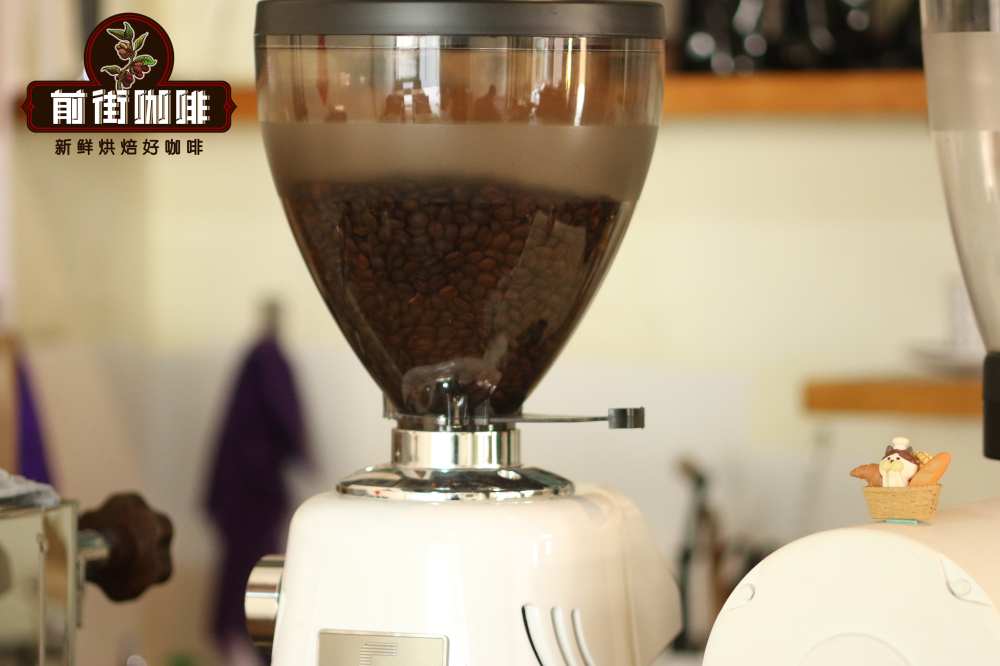
This demonstration uses a Lelit Bianca espresso machine and a Galileo Q18 espresso grinder. For home equipment, as long as it can provide a stable 9-bar pressure, similar extraction results can generally be achieved. The extraction uses a double-shot basket, with a coffee dosage of 20 grams, aiming to extract 40 grams of coffee liquid, achieving a coffee-to-water ratio of 1:2. The extraction time is controlled between 26 to 32 seconds, and the grind size is adjusted to the 2.0 mark on the Galileo Q18, which helps fully bring out the delicate flavors of the light-roast beans while avoiding over-extraction and burnt bitterness.
In terms of specific steps, first preheat the grinder and ensure the portafilter is dry and free of leftover coffee grounds. Grind 20 grams of coffee beans using the grinder, and measure them accurately with an electronic scale. Then, use a distribution tool to evenly spread the coffee grounds, followed by tamping with a tamper applied vertically to ensure a compact and level puck—this is one of the keys to stable extraction. Before starting extraction, run water for 1 to 2 seconds to wet the group head and remove any residual coffee grounds, ensuring the purity of the extraction.
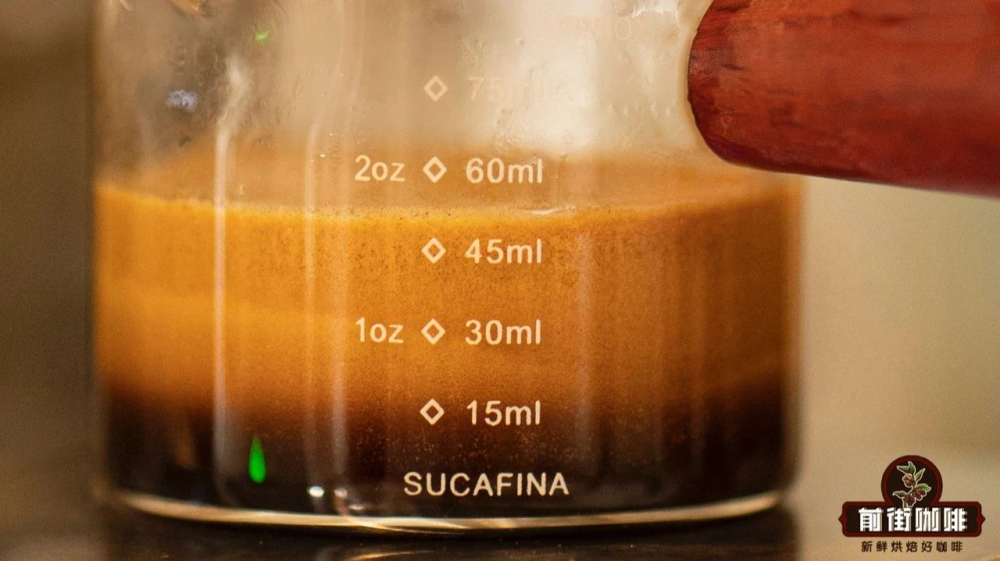
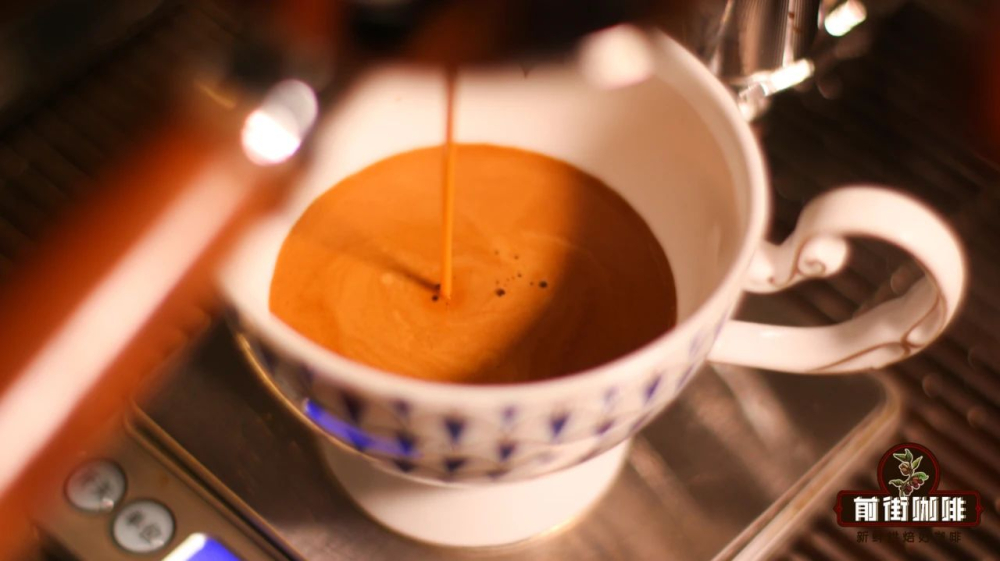
Place the shot glass under the group head and tare the electronic scale. Start the extraction. Observe the process, and when the coffee liquid reaches 40 grams and the time is around 30 seconds, stop the extraction. The espresso should display a golden crema with rich and layered aromas. Pour the extracted espresso into a prepared cup for later use.
Next is the milk foam preparation. Pour 200 grams of cold fresh milk into the pitcher, with the milk temperature ideally maintained between 55–60°C—too high a temperature can damage the texture and flavor of the foam. Use the steam wand at an appropriate angle to froth the milk, aiming for a thickness of 0.3 to 0.5 centimeters, until it becomes smooth and velvety. The finished milk foam must be quickly and evenly combined with the previously extracted espresso, as this step directly impacts the final texture and layering of the drink.
Finally, you can add latte art according to personal preference, not only enhancing visual appeal but also elevating the overall drinking experience. When you taste this SOE latte, you should notice pronounced floral and fruity aromas, including notes of berries, pink florals, raisins, and almonds, with a lingering finish of chocolate and hazelnuts. The overall flavor is reminiscent of biting into a cranberry cookie—layered and unforgettable.
In summary, making an outstanding SOE latte hinges on selecting the right single-origin beans, mastering the extraction conditions for light-roast beans, and precisely balancing the ratio of coffee to milk. Whether you’re trying it at home or enjoying it in a café, understanding these details will help you better appreciate the unique charm of a SOE latte and enjoy a deeper coffee experience.

The above content is compiled by CoffeeHunters, a coffee news website.


