







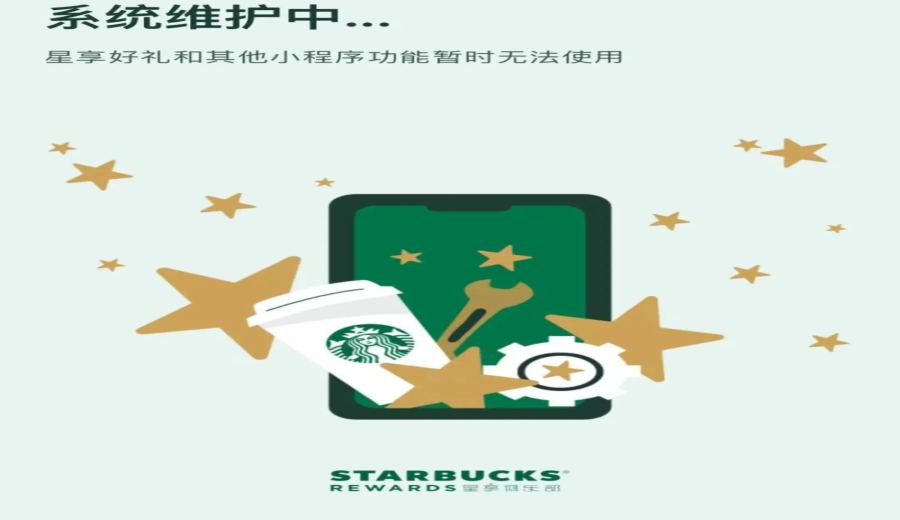
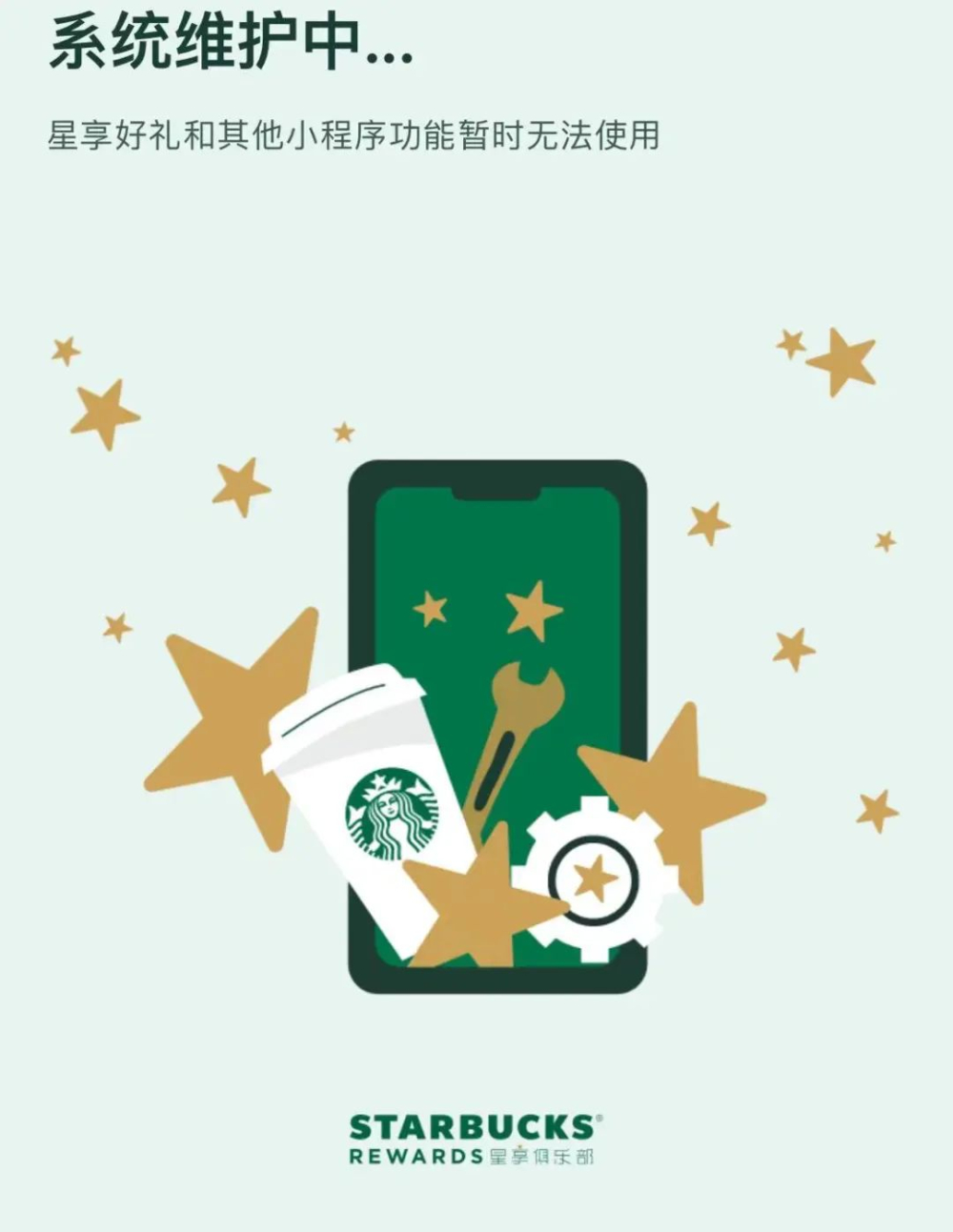
Introduction:Starbucks recently made headlines due to system anomalies in its mini-program and app coupon system, sparking widespread discussion about a potential trust crisis for the brand. This article traces the broader context — from the system bug, foreign object incidents, to competition with Luckin Coffee’s Coconut Cloud Latte — analyzing how Starbucks is responding to consumer scrutiny, and exploring the key steps needed to rebuild brand trust.
Recently, Starbucks’ official mini-programs and apps in both Taiwan and mainland China experienced a coupon system anomaly, resulting in many users being able to access unusually high discounts. The incident quickly trended on social media platforms, prompting Starbucks to place its official systems under maintenance. In response, customer service stated that the issue was caused by a technical glitch, and that all coupons already issued could still be redeemed as long as they remained valid, with no impact on user rights.
However, the timing of this coupon anomaly was highly sensitive, triggering widespread speculation and discussion online. Many netizens suspected that Starbucks might have been attempting to divert attention from a foreign object incident at one of its stores the previous day, or possibly responding to competitive pressure after Luckin Coffee launched its co-branded product with Coconut Tree, the “Coconut Cloud Latte,” on the same day. According to reports, the Coconut Cloud Latte sold over 660,000 cups on its first day, receiving an overwhelmingly positive market response and putting significant competitive pressure on Starbucks.
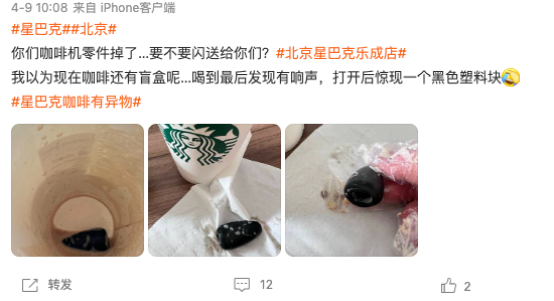
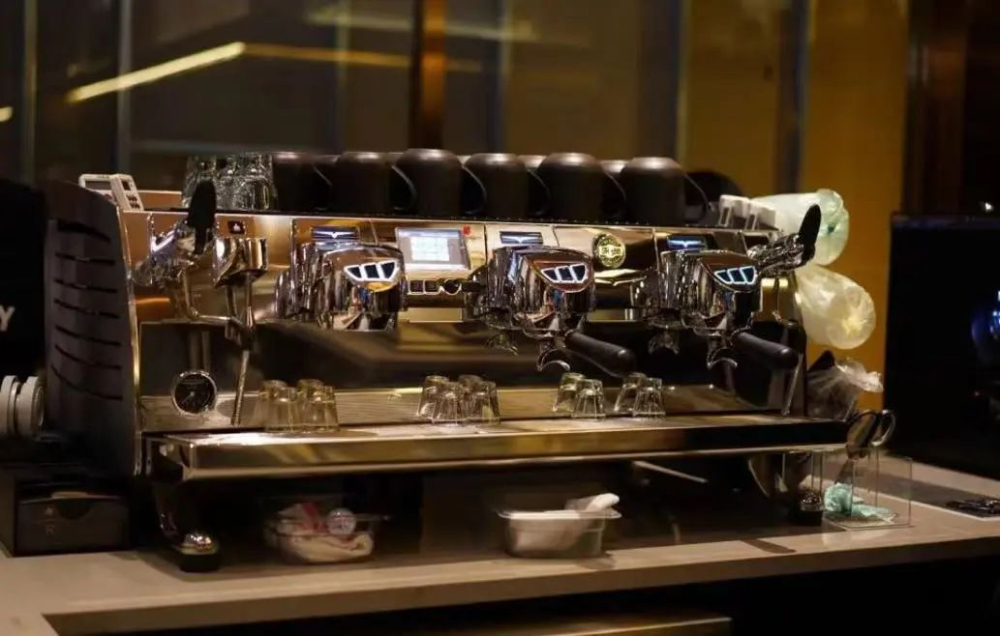
Just one day before the coupon system anomaly, a consumer reported on social media finding what appeared to be a “silicone-like” foreign object in their Starbucks drink, drawing extensive public attention. The customer described discovering an obviously non-food item in their beverage, which store staff confirmed to be a small handle that had come off the steam wand switch of a Black Eagle espresso machine used at a Starbucks Reserve store.
In response to the incident, the manager of the involved store explained that the beverage was prepared by a deaf employee who, due to their hearing impairment, did not notice the fallen part. This explanation immediately stirred major controversy online. Many netizens felt that the response not only lacked sincerity, but also shifted blame onto the employee’s disability, which was deeply unsettling. More disappointingly, rather than first apologizing to the customer, the store manager reportedly asked for the detached part to be returned as a priority.
This incident has not only raised concerns among consumers about Starbucks’ quality control, but has also dealt a blow to the brand’s long-standing image as a “disability-friendly workplace.” As early as 2001, Starbucks demonstrated its commitment to employing people with disabilities in the film “I Am Sam,” where the protagonist worked at a Starbucks outlet. However, the handling of this case by store staff has highlighted significant room for improvement in internal communication and support for disabled colleagues.
Additionally, some observers noted that the timing of the system anomaly coincided with the launch day of Luckin Coffee’s co-branded “Coconut Cloud Latte” with Coconut Tree. Luckin invested heavily in marketing for this collaboration, using social media promotion in advance, combined with coupon giveaways and group-buying raffles, successfully attracting a large number of consumers. On its first day, sales hit 660,000 cups, reflecting extremely high market enthusiasm. Luckin also announced its ambition to eventually sell over 100 million cups of the product, showcasing strong confidence in both the product and its marketing strategy.
In contrast, although Starbucks has previously launched its Twenty-Four Solar Terms series of drinks in an attempt to attract consumers with seasonal themes, the series has generally underperformed in terms of market buzz and sales. Analysts suggest that the pricing of these drinks is relatively high, and their flavor profiles lean towards an artistic and light aesthetic, failing to resonate strongly with the mainstream consumer base or provide compelling reasons to purchase.
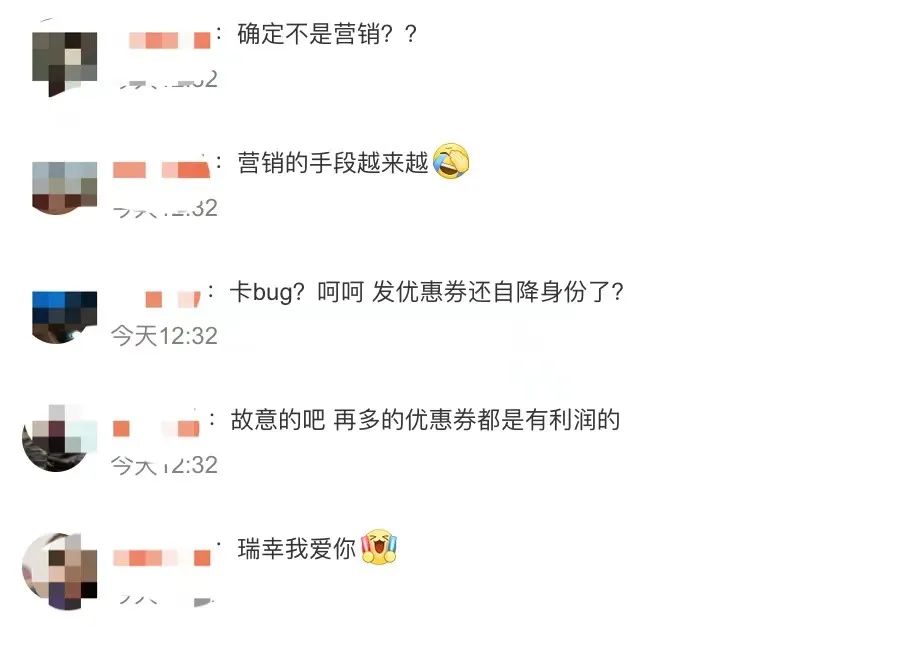
As a result, some netizens have speculated that the recent coupon system anomaly at Starbucks may not have been a simple technical error, but rather a deliberate move to generate online buzz and user discussion through “unexpected benefits,” indirectly serving as a form of publicity while shifting focus away from the foreign object incident. Regardless of the underlying motives, Starbucks is now facing not just a reputational loss from a single event, but multiple ongoing challenges related to quality control, customer service, and brand communication.
To truly regain consumer trust, Starbucks needs more than a temporary spike in online visibility. It must fundamentally address the issues at hand, implement tangible improvements, and integrate them into daily operations. As the brand itself emphasizes in its core values: “Whatever it takes. Whatever it takes. We take it personally.” This is not just a slogan, but the very cornerstone of rebuilding trust.

The above content is compiled by CoffeeHunters, a coffee news website.


